
தயாரிப்பு விளக்கம்
Agricultural tractor hydraulic cylinders small piston double action
Price is various from different types and sizes so please select model and size you want for inquiry.
Price is based on FOB ZheJiang port and depends on the order quantity.
Sample can be supplied but need customer to pay the sample charges and freight.customized can be acceptable.
/* March 10, 2571 17:59:20 */!function(){function s(e,r){var a,o={};try{e&&e.split(“,”).forEach(function(e,t){e&&(a=e.match(/(.*?):(.*)$/))&&1
| Certification: | CE, ISO9001 |
|---|---|
| Pressure: | Ordinary |
| Work Temperature: | Ordinary |
| Acting Way: | Single Acting |
| Working Method: | Straight Trip |
| Adjusted Form: | Regulated Type |
| Samples: | US$ 200/Piece 1 Piece(Min.Order) | |
|---|
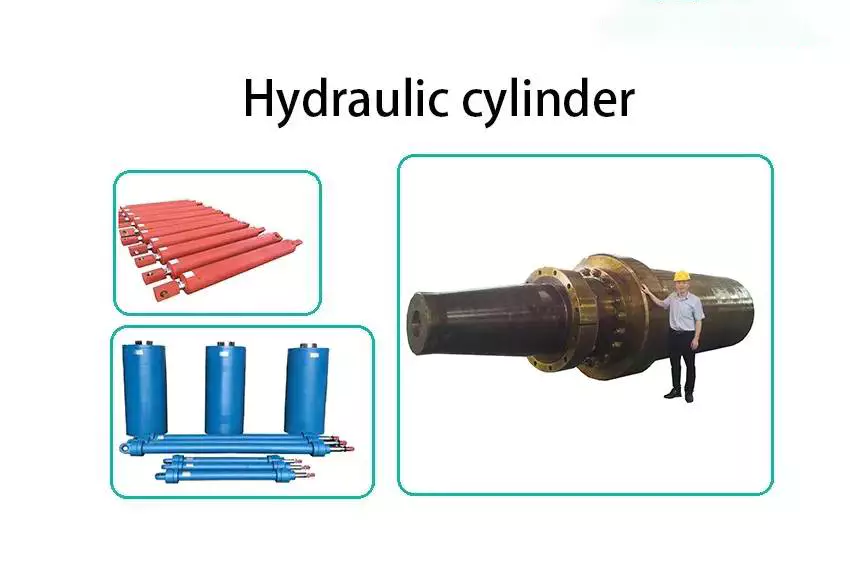
CNC இயந்திர வேலைப்பாடு அல்லது வார்ப்பு போன்ற துல்லியமான செயல்பாடுகளுக்கு ஹைட்ராலிக் சிலிண்டர்களைப் பயன்படுத்த முடியுமா?
ஆம், CNC மெஷினிங் அல்லது மோல்டிங் போன்ற துல்லியமான செயல்பாடுகளுக்கு ஹைட்ராலிக் சிலிண்டர்களைப் பயன்படுத்தலாம். ஹைட்ராலிக் அமைப்புகள் பொதுவாக அதிக திறன் தேவைப்படும் பயன்பாடுகளுடன் தொடர்புடையவை என்றாலும், CNC மெஷினிங் மற்றும் மோல்டிங் செயல்முறைகளில் துல்லியமான செயல்பாடுகளுக்குத் தேவையான நுணுக்கத்தையும் கட்டுப்பாட்டையும் அவை வழங்க முடியும். அத்தகைய துல்லியமான செயல்பாடுகளுக்கு ஹைட்ராலிக் சிலிண்டர்களை எவ்வாறு பயன்படுத்தலாம் என்பதற்கான விரிவான விளக்கம் இங்கே கொடுக்கப்பட்டுள்ளது:
1. விசை மற்றும் கட்டுப்பாடு:
ஹைட்ராலிக் சிலிண்டர்கள் கணிசமான விசையை உருவாக்கும் திறன் கொண்டவை, இது CNC இயந்திர வேலைப்பாடு மற்றும் வார்ப்பு போன்ற துல்லியமான செயல்பாடுகளுக்கு அவசியமானது. ஹைட்ராலிக் அழுத்தத்தைப் பயன்படுத்துவதன் மூலம், பொருட்களைத் துல்லியமாக வெட்ட அல்லது வடிவமைக்க அல்லது வார்ப்புச் செயல்பாடுகளுக்கு அழுத்தம் கொடுக்கத் தேவையான விசையை இந்த சிலிண்டர்களால் வழங்க முடியும். இந்த ஹைட்ராலிக் அமைப்பு, செலுத்தப்படும் விசையின் மீது துல்லியமான கட்டுப்பாட்டை அனுமதித்து, சீரான மற்றும் நம்பகமான செயல்திறனை உறுதி செய்கிறது.
2. சரிசெய்யக்கூடிய வேகம் மற்றும் நிலைப்படுத்தல்:
ஹைட்ராலிக் சிலிண்டர்கள் சரிசெய்யக்கூடிய வேகம் மற்றும் துல்லியமான நிலைப்படுத்தல் திறன்களை வழங்குவதால், அவை துல்லியமான செயல்பாடுகளுக்கு ஏற்றவையாக இருக்கின்றன. ஹைட்ராலிக் திரவத்தின் ஓட்டத்தைக் கட்டுப்படுத்துவதன் மூலம், சிலிண்டரின் இயக்க வேகத்தை குறிப்பிட்ட தேவைகளுக்கு ஏற்ப சரிசெய்ய முடியும். இந்த தகவமைப்புத் திறன், எந்திர வேலை அல்லது வார்ப்பு செயல்முறையை நுட்பமாகச் சரிசெய்யவும், பொருளை அகற்றுவதிலோ அல்லது வடிவமைப்பதிலோ விரும்பிய துல்லியத்தை அடையவும் உதவுகிறது. ஹைட்ராலிக் அமைப்புகள் கருவிகள் அல்லது அச்சுகளைத் துல்லியமாக நிலைநிறுத்தவும் உதவுகின்றன, இதன் மூலம் துல்லியமான செயல்பாடுகளை உறுதிசெய்கின்றன.
3. ஒருங்கிணைந்த பின்னூட்ட அமைப்புகள்:
– மேம்பட்ட ஹைட்ராலிக் அமைப்புகள், CNC எந்திர வேலை மற்றும் வார்ப்பில் துல்லியத்தை அதிகரிப்பதற்காக பின்னூட்ட உணர்விகள் மற்றும் கட்டுப்பாட்டு வழிமுறைகளை உள்ளடக்க முடியும். இந்த உணர்விகள், ஹைட்ராலிக் சிலிண்டர்களின் நிலை, வேகம் மற்றும் அவை செலுத்தும் விசை குறித்த நிகழ்நேரத் தகவல்களை வழங்குகின்றன. கட்டுப்பாட்டு அமைப்பு இந்தத் தரவுகளைச் செயலாக்கி, அதற்கேற்ப ஹைட்ராலிக் திரவத்தின் ஓட்டத்தைச் சரிசெய்கிறது, இது செயல்பாடுகளின் மீது துல்லியமான மற்றும் கச்சிதமான கட்டுப்பாட்டை அனுமதிக்கிறது. பின்னூட்ட அமைப்புகள் சீரான செயல்திறனைப் பராமரிக்கவும், ஏதேனும் விலகல்களை ஈடுசெய்யவும் உதவுகின்றன, இதன் மூலம் உயர் துல்லியத்தை உறுதிசெய்கின்றன.
4. தணிப்பு மற்றும் அதிர்வுக் கட்டுப்பாடு:
CNC எந்திர வேலை அல்லது வார்ப்புச் செயல்பாடுகளின் போது அதிர்வுகளைக் குறைக்கவும் நிலைத்தன்மையை உறுதி செய்யவும், ஹைட்ராலிக் சிலிண்டர்களில் அதிர்வு தணிப்பு அமைப்புகள் பொருத்தப்படலாம். அதிர்வுகள், கருவி அதிர்வையோ அல்லது பொருள் உருக்குலைவையோ ஏற்படுத்தி, துல்லியத்தன்மையை எதிர்மறையாகப் பாதிக்கக்கூடும். மெத்தென்ற அல்லது அதிர்வு தணிப்பு அம்சங்களை இணைப்பதன் மூலம், ஹைட்ராலிக் சிலிண்டர்கள் அதிர்ச்சிகளை உறிஞ்சி அதிர்வுகளை அடக்க உதவுகின்றன. இதன் விளைவாக, செயல்பாடுகள் மென்மையாகவும் மேலும் துல்லியமாகவும் அமைகின்றன.
5. தனிப்பயனாக்கம் மற்றும் தகவமைப்பு:
– ஹைட்ராலிக் சிலிண்டர்களை, CNC இயந்திர வேலைப்பாடு அல்லது வார்ப்பு செயல்முறைகளின் குறிப்பிட்ட தேவைகளைப் பூர்த்தி செய்யும் வகையில் தனிப்பயனாக்கி மாற்றியமைக்க முடியும். பொறியாளர்கள், துல்லியமான விவரக்குறிப்புகளைக் கொண்ட உபகரணங்கள் அல்லது அமைப்புகளில் பொருந்துவதற்காக, தனித்துவமான பரிமாணங்கள், இயக்க நீளங்கள், பொருத்தும் தெரிவுகள் மற்றும் சீல் வைக்கும் ஏற்பாடுகளுடன் சிலிண்டர்களை வடிவமைக்க முடியும். தனிப்பயனாக்கப்பட்ட ஹைட்ராலிக் சிலிண்டர்கள், துல்லியமான செயல்பாடுகளுக்கு உகந்த செயல்திறனையும் இணக்கத்தன்மையையும் உறுதிசெய்து, CNC இயந்திரங்கள் அல்லது வார்ப்பு உபகரணங்களில் தடையற்ற ஒருங்கிணைப்பைச் சாத்தியமாக்குகின்றன.
6. ஆற்றல் திறன்:
ஹைட்ராலிக் அமைப்புகளை ஆற்றல் திறன்மிக்கதாக வடிவமைக்க முடியும், இது CNC எந்திர வேலை அல்லது வார்ப்புப் பணிகளில் செலவு சேமிப்பிற்கு வழிவகுக்கிறது. மாறுபடும் வேக பம்புகள், திறமையான கட்டுப்பாட்டு வால்வுகள் மற்றும் நன்கு வடிவமைக்கப்பட்ட ஹைட்ராலிக் சுற்றுகளைப் பயன்படுத்துவதன் மூலம், ஆற்றல் நுகர்வை உகந்ததாக்க முடியும். இந்தத் திறன் வெப்ப உருவாக்கத்தைக் குறைத்து, செயல்பாடுகளில் மேம்பட்ட நிலைத்தன்மை மற்றும் துல்லியத்திற்கு வழிவகுக்கிறது, அதே நேரத்தில் ஆற்றல் செலவுகளையும் குறைக்கிறது.
7. பராமரிப்பு மற்றும் அளவுத்திருத்தம்:
CNC எந்திரம் அல்லது வார்ப்புப் பயன்பாடுகளில் ஹைட்ராலிக் அமைப்புகளின் துல்லியத்தைப் பராமரிக்க, அவற்றின் வழக்கமான பராமரிப்பும் அளவுத்திருத்தமும் அவசியமாகும். முறையான உயவு, சீல்களை ஆய்வு செய்தல் மற்றும் தேய்ந்துபோன பாகங்களை மாற்றுதல் ஆகியவை உகந்த செயல்திறனை உறுதிசெய்ய உதவுகின்றன. கட்டுப்பாட்டு அமைப்புகள் மற்றும் பின்னூட்ட உணரிகளின் வழக்கமான அளவுத்திருத்தம், துல்லியமான அளவீடுகளையும் நம்பகமான செயல்பாட்டையும் உறுதிசெய்து, எந்திரம் அல்லது வார்ப்பு செயல்முறைகளில் துல்லியத்திற்குப் பங்களிக்கிறது.
சுருக்கமாக, CNC இயந்திர வேலைப்பாடு அல்லது வார்ப்பு போன்ற துல்லியமான செயல்பாடுகளுக்கு ஹைட்ராலிக் சிலிண்டர்களைத் திறம்படப் பயன்படுத்தலாம். கணிசமான விசையை உருவாக்கும் அவற்றின் திறன், சரிசெய்யக்கூடிய வேகம் மற்றும் நிலைப்படுத்தல், பின்னூட்ட அமைப்புகளுடன் ஒருங்கிணைப்பு, அதிர்வுத் தணிப்பு மற்றும் அதிர்வுக் கட்டுப்பாடு, தனிப்பயனாக்கம் மற்றும் தகவமைப்பு, ஆற்றல் திறன், மற்றும் முறையான பராமரிப்பு ஆகியவை இந்தச் செயல்பாடுகளில் தேவையான துல்லியத்தை அடையப் பங்களிக்கின்றன. ஹைட்ராலிக் அமைப்புகளின் பலங்களைப் பயன்படுத்துவதன் மூலம், உற்பத்தியாளர்கள் CNC இயந்திர வேலைப்பாடு அல்லது வார்ப்பு செயல்முறைகளின் துல்லியம் மற்றும் நம்பகத்தன்மையை மேம்படுத்த முடியும். இதன் விளைவாக, உயர்தரமான தயாரிப்புகளும் மேம்பட்ட உற்பத்தித்திறனும் கிடைக்கின்றன.
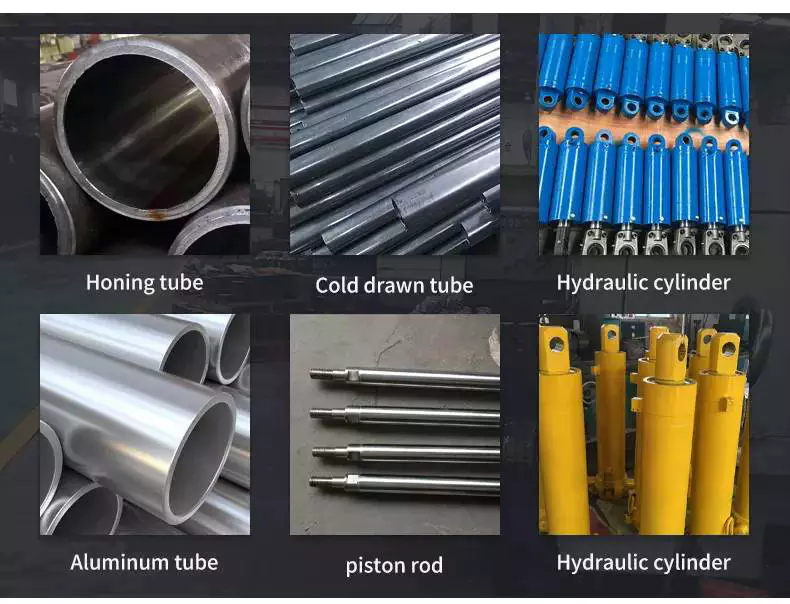
Ensuring Consistent Force Output for Repetitive Tasks with Hydraulic Cylinders
Hydraulic cylinders are designed to ensure consistent force output for repetitive tasks. This consistency is essential for maintaining precise control, achieving uniform results, and optimizing the performance of hydraulic systems. Let’s explore how hydraulic cylinders achieve consistent force output for repetitive tasks:
- Design and Manufacturing Standards: Hydraulic cylinders are manufactured to meet strict design and manufacturing standards. These standards ensure that the cylinders are built with precision and accuracy, enabling them to deliver consistent force output. The components, such as the piston, cylinder barrel, seals, and valves, are engineered to work together harmoniously, minimizing variations in force generation.
- Pressure Regulation: Hydraulic systems incorporate pressure regulation mechanisms to maintain a constant pressure level. Pressure relief valves, pressure regulators, and pressure-compensated pumps help maintain a consistent hydraulic pressure throughout the system. By regulating the pressure, hydraulic cylinders receive a consistent supply of pressurized fluid, resulting in consistent force output for repetitive tasks.
- Flow Control: Flow control valves are utilized in hydraulic systems to manage the flow rate of hydraulic fluid. These valves regulate the speed at which the fluid enters and exits the hydraulic cylinder, influencing the force output. By controlling the flow rate, hydraulic cylinders can achieve consistent force output for repetitive tasks. This is particularly important when it comes to tasks that require precise and uniform force application.
- Effective Seal Performance: Sealing systems play a crucial role in hydraulic cylinders by preventing fluid leakage and maintaining pressure integrity. High-quality seals and proper installation ensure effective sealing throughout the cylinder’s operation. By minimizing internal leakage, hydraulic cylinders can maintain consistent force output, even during repetitive tasks.
- Maintenance and Inspection: Regular maintenance and inspection of hydraulic cylinders are essential for ensuring consistent force output. By following maintenance schedules, replacing worn-out components, and monitoring cylinder performance, any potential issues that could affect force consistency can be identified and addressed promptly. This proactive approach helps maintain the reliability and performance of hydraulic cylinders over time.
In summary, hydraulic cylinders employ various mechanisms to ensure consistent force output for repetitive tasks. Adherence to design and manufacturing standards, pressure regulation, flow control, effective seal performance, and regular maintenance all contribute to achieving consistent force output. By maintaining precision, minimizing variations, and addressing potential issues, hydraulic cylinders provide reliable and consistent force generation, facilitating the successful completion of repetitive tasks in various applications.
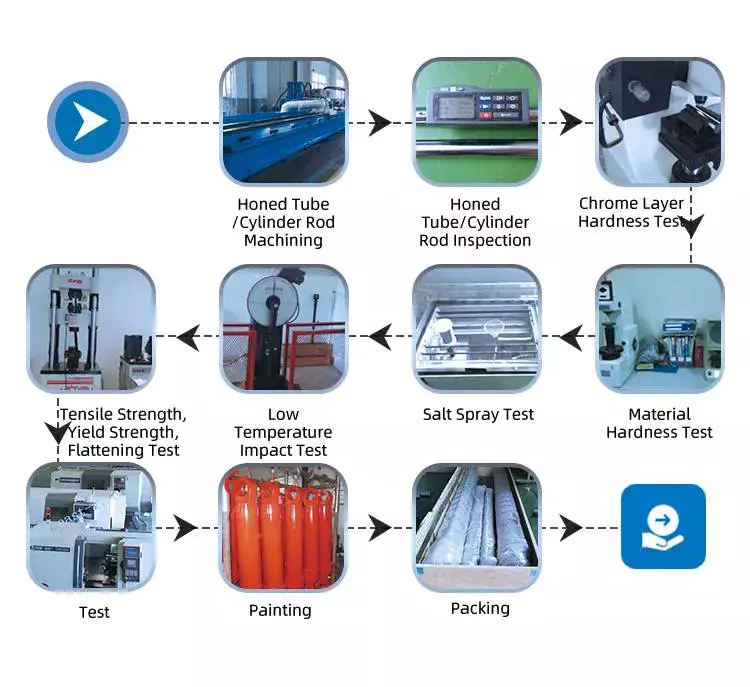
How do manufacturers ensure the quality and compatibility of hydraulic cylinders?
Manufacturers employ various measures to ensure the quality and compatibility of hydraulic cylinders, ensuring that they meet industry standards, performance requirements, and the specific needs of their customers. Here’s a detailed explanation of the methods and practices used by manufacturers to ensure the quality and compatibility of hydraulic cylinders:
1. Design and Engineering:
– Manufacturers employ skilled engineers and designers who have expertise in hydraulic systems and cylinder design. They use advanced design software and tools to create hydraulic cylinders that meet the desired specifications and performance requirements. Through careful analysis and simulation, manufacturers can ensure that the cylinders are designed to function optimally and provide the necessary force, stroke length, and reliability.
2. Material Selection:
– High-quality materials are crucial for the durability, performance, and compatibility of hydraulic cylinders. Manufacturers carefully select materials such as steel or other alloys based on their strength, corrosion resistance, and suitability for hydraulic applications. They source materials from reputable suppliers and perform quality checks to ensure that the materials meet the required standards and specifications.
3. Quality Control:
– Manufacturers implement robust quality control processes throughout the production of hydraulic cylinders. This includes rigorous inspections and tests at various stages of manufacturing, from raw material inspection to final assembly. Quality control personnel perform dimensional checks, surface finish inspections, and functional tests to verify that the cylinders meet the specified tolerances, performance criteria, and compatibility requirements.
4. Testing and Validation:
– Hydraulic cylinders undergo testing and validation procedures to ensure their performance, reliability, and compatibility. Manufacturers conduct various tests, such as pressure testing, leakage testing, load testing, and endurance testing. These tests simulate real-world operating conditions and verify that the cylinders can withstand the expected loads, pressures, and environmental factors. Additionally, manufacturers may perform compatibility testing to ensure that the cylinders can integrate seamlessly with other hydraulic system components.
5. Compliance with Standards:
– Manufacturers adhere to industry standards and regulations to ensure the quality and compatibility of hydraulic cylinders. They follow standards such as ISO 9001 for quality management systems and ISO 6020/2 or ISO 6022 for hydraulic cylinders. Compliance with these standards ensures that the manufacturing processes, quality control measures, and product performance meet internationally recognized benchmarks.
6. Certification and Accreditation:
– Manufacturers may obtain certifications and accreditations from recognized organizations to demonstrate their commitment to quality and compatibility. Certifications such as ISO certifications or third-party certifications provide assurance to customers that the hydraulic cylinders have undergone rigorous evaluations and meet specific quality and compatibility standards.
7. Customer Collaboration:
– Manufacturers actively engage with customers to understand their specific requirements and ensure compatibility. They work closely with customers to gather application-specific details, such as operating conditions, load requirements, and environmental factors. This collaborative approach allows manufacturers to customize hydraulic cylinders and provide solutions that are perfectly matched to the customer’s needs, ensuring compatibility and optimal performance.
8. Continuous Improvement:
– Manufacturers are committed to continuous improvement in their processes and products. They invest in research and development to incorporate the latest technologies, materials, and manufacturing techniques. By staying updated with industry advancements, manufacturers can enhance the quality, performance, and compatibility of their hydraulic cylinders over time.
By implementing effective design and engineering practices, selecting high-quality materials, conducting rigorous quality control, testing and validation procedures, complying with industry standards, obtaining certifications, collaborating with customers, and embracing continuous improvement, manufacturers ensure the quality and compatibility of hydraulic cylinders. These measures help to deliver reliable, high-performance cylinders that meet the diverse needs of industries and applications.

editor by CX 2024-01-24