தயாரிப்பு விளக்கம்
China Factory Directly Supply Double Acting Large Forklift Spare Parts Hydraulic Cylinder with Sensor
தயாரிப்பு விவரக்குறிப்புகள் :
| பொருள் | விவரக்குறிப்புகள் |
| துளை விட்டம் | 60mm~500mm |
| உடல் விட்டம் | 30mm~450mm |
| பக்கவாதம் | 100mm~600mm |
| Woorking Pressure | 17-40Mpa,Customizable |
| பிஸ்டன் தண்டின் மேற்பரப்பு சிகிச்சை | கடின குரோம் பூச்சு, மின்முலாம் பூசப்பட்ட பால் வெண் குரோமியம்+கடின குரோமியம், நிக்கல் பூச்சு+கடின குரோமியம் பூச்சு, அதிவேக ஆக்சிஜன் எரிபொருள் CrC NiC, செராமிக் பூச்சு, நைட்ரைடிங், லேசர் கிளாடிங் |
| பொருள் | உயர் இழுவிசை கொண்ட குளிர் இழுத்தல் குழாய், நீடித்த சீல் ஆயுளுக்காகத் துல்லியமாக மெருகூட்டப்பட்டது. |
| பொருத்துதல் | காதணி, விளிம்பு, பிளவுக் கால், முட்டுக்கட்டை, தனிப்பயனாக்கக்கூடியது |
| சீல் வகை | பார்க்கர், என்ஓகே, ஹாலைட் ஜிஏபிஐ அல்லது வாடிக்கையாளரின் தேவைக்கேற்ப |
| வாரண்டி | 18 மாதங்கள் |
| குறைந்தபட்ச ஆர்டர் அளவு | 1 துண்டு |
| உற்பத்தி நேரம் | ஆர்டர் அளவைப் பொறுத்து, பொதுவாக 30-40 நாட்கள் ஆகும். |
| கிரிக்கெட் | ISO9001, CE, SGS |
| நிறம் | Gery,Yellow,Red,Black,Customizable |
| பேக்கேஜிங் | உலோகப் பெட்டி, ஒட்டுப்பலகைப் பெட்டி, அட்டைப்பெட்டி அல்லது தேவைக்கேற்ப |
| சேவை | OEM & ODM |
| விலை அனுகூலம் | உத்தரவாதமான தரத்துடன் கூடிய போட்டித்தன்மை வாய்ந்த தொழிற்சாலை விலை. |
| வணிக வகை | உற்பத்தியாளர் |
தயாரிப்பு காட்சி:
The built-in sensor of the steering cylinder is used to accurately measure the steering displacement of large forklifts.
பொருத்தும் முறை:
விண்ணப்பங்கள்: Walking machinery large forklift.
Other Related Products:
எங்கள் தொழிற்சாலை:
பரிசோதனை செயல்முறை:
| ஆய்வு வகை | ஆய்வுத் தரநிலை |
| மூலப்பொருள் ஆய்வு | சேமிப்பதற்கு முன், தரக்கட்டுப்பாடு மூலப்பொருட்களின் அளவை எடுக்கிறது. |
| செயல்முறை பொருள் ஆய்வு | உற்பத்தியின் போது, தரக்கட்டுப்பாட்டாளர்கள் திடீர் பரிசோதனை நடத்துகின்றனர். ஹைட்ராலிக் சிலிண்டர் பாகங்கள் அடுத்த செயல்முறைக்கு மாற்றப்படுவதற்கு முன்பு, தரக்கட்டுப்பாட்டாளர்கள் அவற்றை ஆய்வு செய்கிறார்கள். |
| இறுதி செயல்பாட்டு சோதனை | அனைத்து ஹைட்ராலிக் சிலிண்டர்களும் ஹைட்ராலிக் செயல்பாட்டுச் சோதனையை மேற்கொள்கின்றன. |
மூலப்பொருட்களின் இயந்திர பண்புகளின் ஆய்வு
செயல்முறை பொருள் ஆய்வு
இறுதி செயல்பாட்டு சோதனை
பொதி செய்தல் மற்றும் விநியோகம்:
எங்களைப் பற்றி:
எங்கள் சான்றிதழ்
ZheJiang Tianjian ஹைட்ராலிக் டெக்னாலஜி கோ., லிமிடெட் பல்வேறு வகையான ஹைட்ராலிக் சிலிண்டர்கள், அத்துடன் சிலிண்டர் பேரல், பிஸ்டன் சிலிண்டர் மற்றும் பிற சிலிண்டர் துணைக்கருவிகள் ஆகியவற்றை உற்பத்தி செய்வதில் நிபுணத்துவம் பெற்றது.
ஹைட்ராலிக் சிலிண்டர்களின் ஒரு உயர் சிறப்பு உற்பத்தியாளராக, தியான்ஜியான் உள்நாட்டிலும் வெளிநாட்டிலும் உள்ள பல வாடிக்கையாளர்களுக்கு வடிவமைப்பு மேம்பாட்டுத் தீர்வுகளையும் நம்பகமான தயாரிப்புகளையும் வழங்குகிறது. கட்டுமான இயந்திரங்கள், ரயில்வே பால இயந்திரங்கள், துறைமுகக் கப்பல் இயந்திரங்கள், உலோகவியல் மற்றும் சுரங்க இயந்திரங்கள், எண்ணெய் மற்றும் இலகுரகத் தொழில் இயந்திரங்கள், சிறப்பு வாகனங்கள் மற்றும் பிற தொழில்கள் என எதுவாக இருந்தாலும், பயனர்களின் தேவைகளுக்கு ஏற்ப பல்வேறு தரமான மற்றும் தரமற்ற ஹைட்ராலிக் சிலிண்டர் வடிவமைப்பு மேம்பாட்டுத் திட்டங்களையும் தயாரிப்புகளையும் தியான்ஜியான் வழங்குகிறது. மேலும், முழுமை மற்றும் தரத்திற்காக ஒருங்கிணைந்த சேவைகளையும் அளிக்கிறது.
முடிந்தால், எங்களைத் தொடர்பு கொள்ளும்போது, கீழே உள்ள தகவல்களைப் பயன்படுத்தவும்.
துளை | ராட் | பக்கவாதம் | வேலை அழுத்தம் | பொருத்துதல் | பணிச்சூழல் |
|
|
|
|
|
|
அல்லது, நீங்கள் கூறுவதை நாங்கள் துல்லியமாகப் புரிந்துகொண்டு, தவறுகளைத் தவிர்க்க உதவும் வகையில், உங்கள் வரைபடத்தையோ அல்லது புகைப்படங்களையோ எங்களுக்கு வழங்கலாம்.
மேலும், உங்களிடம் மாதிரிகள் இருந்தால், அவற்றை எங்களுக்கு அனுப்பிய பிறகு, நாங்கள் அதற்கேற்ப உற்பத்தி செய்வோம்.
உங்களுக்கு நேரமிருந்தால் எங்கள் தொழிற்சாலைக்கு வருக.
உங்களின் திருப்தியே எங்களின் மிகப்பெரிய உத்வேகம்.
இனி, எந்தவொரு கேள்வி அல்லது விசாரணைக்கும் நீங்கள் எங்களைத் தொடர்பு கொள்ளலாம்.
அடிக்கடி கேட்கப்படும் கேள்விகள்:
1. உங்கள் நிறுவனம் என்ன செய்கிறது?
நாங்கள் ஹைட்ராலிக் சிலிண்டர், ஹைட்ராலிக் மோட்டார், ஹைட்ராலிக் பவர் பேக், ஹைட்ராலிக் ஸ்டேஷன் மற்றும் பிற ஹைட்ராலிக் பாகங்கள் உள்ளிட்ட உயர்தர ஹைட்ராலிக் தயாரிப்புகளை வழங்கும் ஒரு நிறுவனம்.
2. நீங்கள் ஒரு உற்பத்தி நிறுவனமா அல்லது வர்த்தக நிறுவனமா?
அ: நாங்கள் ஒரு உற்பத்தியாளர்.
3. உங்களிடம் என்ன சான்றிதழ் உள்ளது?
எங்கள் தொழிற்சாலைகள் அனைத்தும் ISO சான்றிதழ் பெற்றவை. மேலும், எங்கள் முக்கிய மூலப்பொருட்கள் மற்றும் உதிரிபாகங்கள் வழங்குநர்கள் CE, RoHS, CSA மற்றும் UL சான்றிதழ்களைப் பெற்றுள்ளனர்.
4. உங்கள் விநியோக நேரம் எவ்வளவு?
அ: விநியோக நேரம், வெவ்வேறு பொருட்கள் மற்றும் அளவைப் பொறுத்து மாறுபடும். சிலிண்டருக்குப் பொதுவாக சுமார் 45-60 நாட்களும், மோட்டாருக்கு சுமார் 30-50 நாட்களும் தேவைப்படும்.
5. வாடிக்கையாளரின் தேவை அல்லது வரைபடத்தின்படி உங்களால் பாகங்களைத் தயாரிக்க முடியுமா?
ஆம், உங்கள் வரைபடங்களின்படி நாங்கள் உங்களுக்காக OEM முறையில் தயாரித்துத் தருவோம். மேலும், எங்கள் பொறியாளர் தொழில்நுட்ப ஆலோசனைகள் மூலம் உங்களுக்குத் தொழில்முறை ஆதரவை வழங்குவார்.
6. நீங்கள் எவ்வகையான கட்டண விதிமுறைகளை ஏற்றுக்கொள்கிறீர்கள்?
நாங்கள் வங்கி மூலமான T/T முறையை விரும்புகிறோம். ஆர்டர் உறுதிசெய்யப்பட்டதும் 30% முறையிலும், சரக்கு அனுப்பப்படுவதற்கு முன்பு 70% முறையிலும் பணம் செலுத்தலாம். 20,000 அமெரிக்க டாலருக்கும் அதிகமான தொகைக்கு L/C முறையும் ஏற்றுக்கொள்ளப்படும்.
7. உங்கள் உத்தரவாதக் கொள்கை என்ன?
எங்கள் தயாரிப்புகள் அனைத்தும், பொருட்கள் மற்றும் வேலைப்பாடுகளில் உள்ள குறைபாடுகளுக்கு எதிராக, விநியோகிக்கப்பட்ட நாளிலிருந்து ஒரு முழு ஆண்டுக்கு உத்தரவாதம் அளிக்கப்படுகின்றன. சாதாரண செயல்பாட்டின் போது தேய்ந்துபோன பாகங்கள் அல்லது கவனக்குறைவால் சேதமடைந்த பாகங்களுக்கு இந்த உத்தரவாதம் பொருந்தாது. சுத்தமற்ற ஹைட்ராலிக் எண்ணெய் உங்கள் ஹைட்ராலிக் பாகங்களுக்கு நிச்சயமாக சேதத்தை ஏற்படுத்தும் என்பதை நாங்கள் கடுமையாக நினைவூட்டுகிறோம். மேலும் இந்த சேதம் உத்தரவாத வரம்பில் சேர்க்கப்படவில்லை. எனவே, எங்கள் பாகங்களைப் பயன்படுத்தும்போது புதிய சுத்தமான எண்ணெயைப் பயன்படுத்துமாறு அல்லது சிஸ்டம் எண்ணெய் சுத்தமாக இருப்பதை உறுதி செய்யுமாறு நாங்கள் கடுமையாகப் பரிந்துரைக்கிறோம்.
/* March 10, 2571 17:59:20 */!function(){function s(e,r){var a,o={};try{e&&e.split(“,”).forEach(function(e,t){e&&(a=e.match(/(.*?):(.*)$/))&&1
| Certification: | GS, RoHS, CE, ISO9001 |
|---|---|
| Pressure: | Medium Pressure |
| Work Temperature: | High Temperature |
| Acting Way: | Double Acting |
| Working Method: | Straight Trip |
| Adjusted Form: | Regulated Type |
| Samples: | US$ 600/Set 1 Set(Min.Order) | |
|---|
| Customization: | Available |
|
|---|
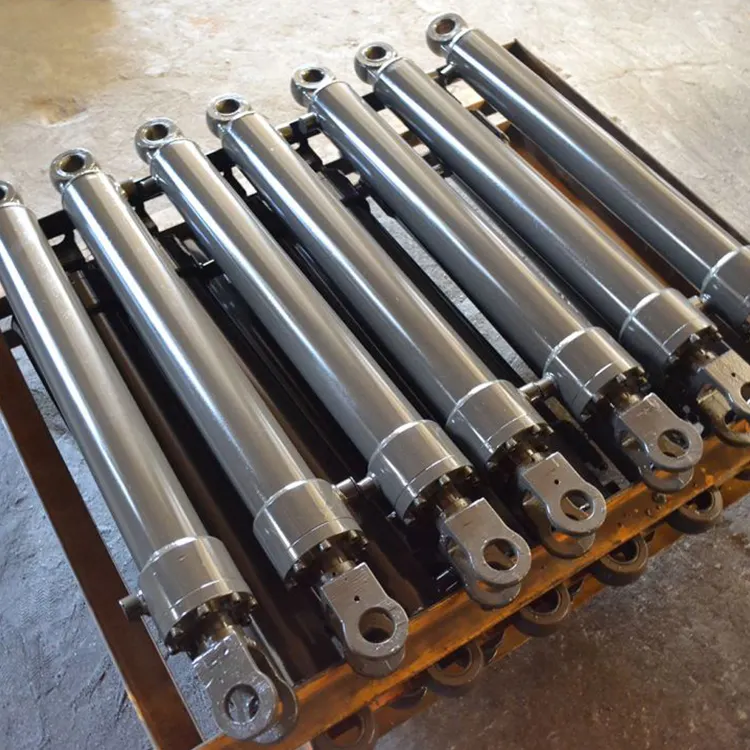
How does a forklift hydraulic cylinder contribute to load stability?
A forklift hydraulic cylinder plays a crucial role in ensuring load stability during lifting and material handling operations. Here’s an explanation of how it contributes to load stability:
Load stability refers to the ability of a forklift to safely lift, carry, and place loads without compromising their balance or causing them to shift unexpectedly. The hydraulic cylinder contributes to load stability in the following ways:
1. Lifting Control:
The hydraulic cylinder allows controlled and smooth lifting of the load. By regulating the flow of hydraulic fluid, the operator can adjust the lifting speed and ensure gradual, steady movement. This controlled lifting action minimizes the risk of load destabilization due to sudden jolts or jerks.
2. Load Balancing:
Hydraulic cylinders can be used in forklifts equipped with load balancing systems. These systems distribute the lifting force evenly across multiple hydraulic cylinders. By sharing the load, each cylinder carries a proportionate weight, reducing the strain on individual components and promoting load stability.
3. Tilting and Fork Positioning:
Hydraulic cylinders are often used to control the tilting of the mast or the positioning of the forks. By adjusting the tilt angle or fork position, the operator can optimize load stability. This feature is particularly important when handling loads with uneven weight distribution or when navigating through narrow spaces.
4. Mast Stability:
The hydraulic cylinder contributes to the stability of the mast assembly. The cylinder’s extension and retraction control the vertical movement of the mast, ensuring proper alignment and support. A stable mast assembly enhances load stability by preventing excessive swaying or wobbling during lifting and material handling operations.
5. Load Lowering:
When lowering the load, the hydraulic cylinder enables controlled and gradual descent. The operator can regulate the flow of hydraulic fluid to prevent sudden drops or impacts that could destabilize the load. This controlled lowering action ensures safe and stable placement of the load.
By incorporating these features and functionalities, a forklift hydraulic cylinder significantly contributes to load stability. It enables controlled lifting, load balancing, precise tilting and fork positioning, mast stability, and controlled load lowering. These capabilities promote safe and efficient material handling operations, reducing the risk of load shifts and maintaining overall load stability.
In summary, a forklift hydraulic cylinder plays a vital role in ensuring load stability. Through its lifting control, load balancing, tilting and fork positioning capabilities, mast stability, and controlled load lowering, the hydraulic cylinder enhances the safe and effective handling of loads, minimizing the risk of instability and accidents.
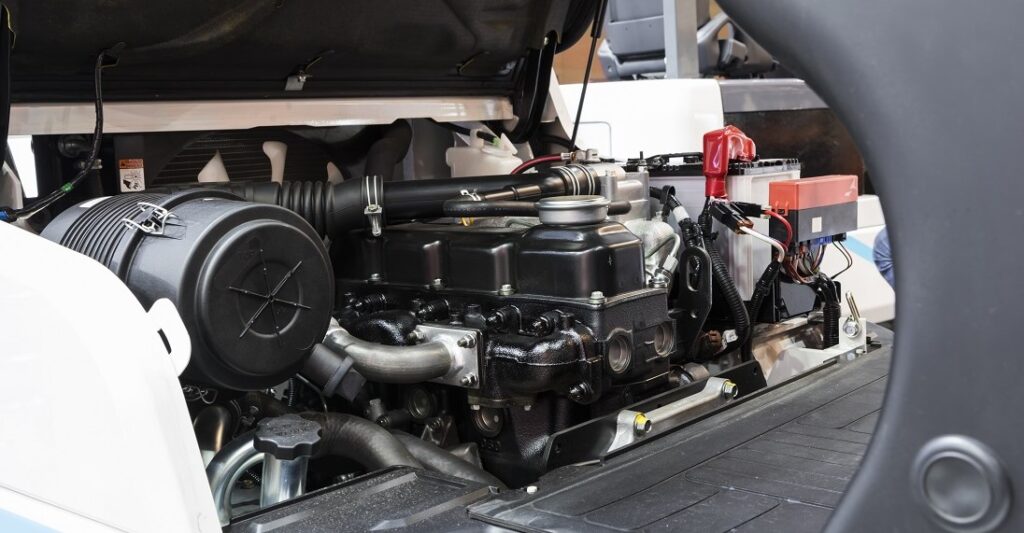
How does a forklift hydraulic cylinder contribute to smooth lifting and lowering?
A forklift hydraulic cylinder plays a crucial role in achieving smooth lifting and lowering operations. Here’s an explanation of how it contributes to this process:
The smooth lifting and lowering of a forklift’s load is made possible by the hydraulic cylinder working in tandem with the hydraulic system. The hydraulic cylinder contributes in the following ways:
1. Controlled Fluid Power:
The hydraulic cylinder utilizes controlled fluid power to lift and lower the load. When the operator activates the hydraulic system, hydraulic fluid is pumped into the cylinder, exerting pressure on the piston inside. This pressure creates a force that raises or lowers the load smoothly and evenly.
2. Piston and Cylinder Design:
The design of the hydraulic cylinder’s piston and cylinder bore contributes to smooth lifting and lowering. The piston is precisely machined to fit within the cylinder bore with minimal clearance. This tight fit, along with the use of seals and hydraulic fluid, helps minimize friction and ensure smooth movement of the piston within the cylinder.
3. Valve Control:
The hydraulic cylinder’s movement is controlled by valves in the hydraulic system. These valves regulate the flow of hydraulic fluid into and out of the cylinder. By adjusting the valve settings, the operator can control the speed and rate of lifting and lowering. The valves allow for precise control, enabling smooth and gradual movements of the load.
4. Load Balancing:
The hydraulic cylinder contributes to load balancing during lifting and lowering operations. By adjusting the extension or retraction of the cylinder, the operator can maintain a proper balance between the load and the forklift. This balance helps prevent sudden shifts or jerky movements, resulting in smoother and more stable lifting and lowering.
5. Damper Mechanisms:
In some forklift hydraulic systems, dampers or shock absorbers are incorporated to further enhance smooth lifting and lowering. These mechanisms help cushion the movements of the hydraulic cylinder, reducing any sudden jolts or vibrations. The dampers absorb and dissipate energy, resulting in smoother and more controlled load handling.
In summary, a forklift hydraulic cylinder contributes to smooth lifting and lowering operations through controlled fluid power, precise piston and cylinder design, valve control, load balancing, and the potential inclusion of dampers. These factors work together to provide operators with the ability to lift and lower loads smoothly, efficiently, and with enhanced control.
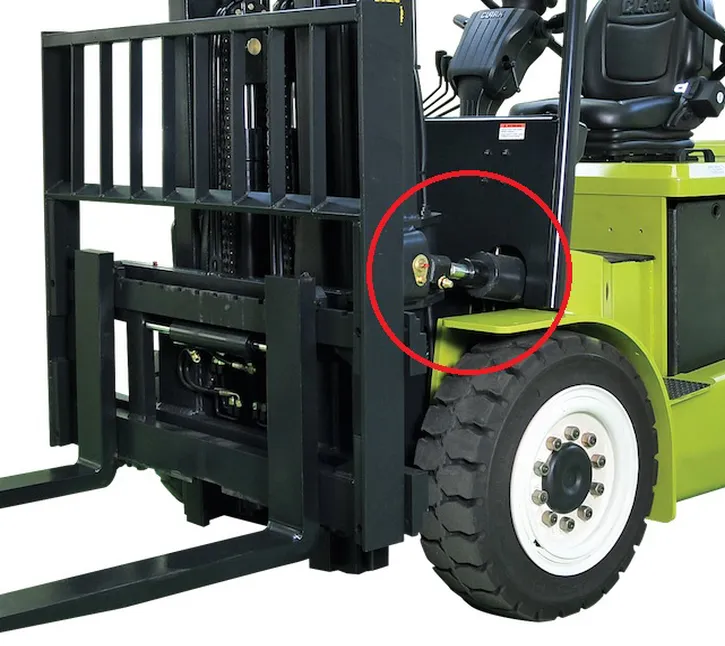
How Does a Forklift Hydraulic Cylinder Handle Variations in Lift Height?
A forklift hydraulic cylinder is responsible for raising and lowering the forks or lifting platform, allowing the forklift to handle loads at different heights. It handles variations in lift height through a combination of design features and hydraulic principles. Here’s a detailed explanation of how a forklift hydraulic cylinder handles variations in lift height:
1. Piston and Cylinder Design:
The hydraulic cylinder consists of a piston and a cylinder, which are sealed together to form a closed hydraulic system. The piston is connected to the forks or lifting platform, while the cylinder is fixed to the forklift frame. The design of the piston and cylinder allows for smooth movement and effective transfer of hydraulic pressure to generate lifting force.
2. Hydraulic Fluid and Pressure:
The hydraulic cylinder operates on the principle of Pascal’s Law, which states that when pressure is applied to a fluid in a closed system, it is transmitted equally in all directions. In the case of a forklift hydraulic cylinder, hydraulic fluid is used as the medium to transmit pressure. When hydraulic fluid is pumped into the cylinder, it creates pressure on the piston, causing it to move upward and lift the forks or lifting platform.
3. Cross-Sectional Area and Force:
The cross-sectional area of the piston within the hydraulic cylinder determines the force that can be exerted. A larger piston area can generate a greater lifting force. By varying the diameter of the piston, forklift manufacturers can adjust the lifting capacity and handle variations in lift height. Forklifts designed for heavier loads typically have larger piston areas to generate the necessary lifting force.
4. Valves and Controls:
The hydraulic system of a forklift includes valves and controls that regulate the flow of hydraulic fluid to the cylinder. These valves, such as control valves and relief valves, allow for precise control of the lifting operation. By adjusting the valves, operators can control the speed of ascent and descent, enabling smooth and controlled variations in lift height.
5. Telescopic Cylinders:
In some forklift designs, especially those used for high-reach applications, telescopic cylinders are employed. Telescopic cylinders consist of several nested stages that extend and retract, providing increased lift height. These cylinders allow for a compact design when retracted while offering extended reach when fully extended. Telescopic cylinders enable forklifts to handle variations in lift height without compromising stability or requiring excessively long cylinder strokes.
6. Stability and Counterbalancing:
Handling variations in lift height requires maintaining forklift stability. Forklifts are designed with counterweight systems to balance the load and prevent tipping. The hydraulic cylinder’s operation is coordinated with the counterweight system, ensuring that the center of gravity remains within safe limits during lifting and lowering operations. This counterbalancing helps maintain stability even when handling loads at different heights.
Through careful design, hydraulic principles, and the integration of valves and controls, a forklift hydraulic cylinder effectively handles variations in lift height. The combination of hydraulic pressure, piston and cylinder design, control mechanisms, and counterbalancing ensures precise and controlled lifting operations, allowing forklifts to safely handle loads at different heights as required in various material handling applications.


editor by CX 2023-12-21