
தயாரிப்பு விளக்கம்
Products Description
| Rotating Hydraulic Actuator KTB series rack and pinion swing Rotary actuator is the actuator that converts reciprocating linear motion into rotary motion in a hydraulic system, which is suitable for metallurgy, mining, and other industries. Technical Data:
| |
நிறுவனத்தின் சுயவிவரம்
QIANGLIN HYDRAULIC MACHINERY CO., LTD
| QiangLin is a professional hydraulic equipment manufacturer, mainly engaged in hydraulic system design, manufacture, installation, transformation, sales, and technical services. Our manufacturing facilities are certified to the ISO 9001 standard. We are an approved supplier to many equipment manufacturers in China. We are also partners with many customers from America, Canada, Australia, Germany, England, and other European Countries. Product quality, shorter delivery time, and customer satisfaction are our long-term commitments to our CHINAMFG customers. Hope to be your partner. |
அடிக்கடி கேட்கப்படும் கேள்விகள்:
Q1: Are you a trading company or a manufacturer?
A: We have our own factory.
Q2: Are you able to make Non-standard or customized products?
A: Yes, we can.
Q3: How long is your delivery time?
A: Normally, the delivery time is 7 days if we have stock, 15-30 working days if we don’t. but it
also depends on the product
requirements and quantity.
Q4: Do you provide samples? are the samples free or not?
A: Yes, we can provide samples, but they are not free of charge.
Q5: What are your payment terms?
A: 30% deposit T/T or Irrevocable L/C at sight, If you have any questions, please feel free to
contact us.
Q6: What are your After-sales services?
A: Before shipment, Each individual product will be strictly inspected on our factory QC Process
System. In addition, We have a
Customer Service team to respond to customers’ questions within 12 hours. Being helpful in
solving customers’ problems is always our goal.
| Certification: | CE, ISO9001 |
|---|---|
| Pressure: | High Pressure |
| Work Temperature: | Normal Temperature |
| Customization: | Available |
|
|---|
.shipping-cost-tm .tm-status-off{background: none;padding:0;color: #1470cc}
| Shipping Cost: Estimated freight per unit. | about shipping cost and estimated delivery time. |
|---|
| Payment Method: |
|
|---|---|
| Initial Payment Full Payment |
| Currency: | US$ |
|---|
| Return&refunds: | You can apply for a refund up to 30 days after receipt of the products. |
|---|

What advancements in hydraulic cylinder technology have improved sealing and reliability?
Advancements in hydraulic cylinder technology have continuously contributed to improving sealing and reliability in hydraulic systems. These advancements aim to address common challenges such as leakage, wear, and failure of seals, ensuring optimal performance and longevity. Here are several key advancements that have significantly improved sealing and reliability in hydraulic cylinders:
1. High-Performance Sealing Materials:
– The development of advanced sealing materials has greatly improved the sealing capabilities of hydraulic cylinders. Traditional sealing materials like rubber have been replaced or enhanced with high-performance materials such as polyurethane, PTFE (polytetrafluoroethylene), and various composite materials. These materials offer superior resistance to wear, temperature, and chemical degradation, resulting in improved sealing performance and extended seal life.
2. Enhanced Seal Designs:
– Advancements in seal designs have focused on improving sealing efficiency and reliability. Innovative seal profiles, such as lip seals, wipers, and scrapers, have been developed to optimize fluid retention and prevent contamination. These designs provide better sealing performance, minimizing the risk of fluid leakage and maintaining system integrity. Additionally, improved seal geometries and manufacturing techniques ensure tighter tolerances, reducing the potential for seal failure due to misalignment or extrusion.
3. Integrated Seal and Bearing Systems:
– Hydraulic cylinders now incorporate integrated seal and bearing systems, where the sealing elements also serve as bearing surfaces. This design approach reduces the number of components and potential failure points, improving overall reliability. By integrating seals and bearings, the risk of seal damage or displacement due to excessive loads or misalignment is minimized, resulting in enhanced sealing performance and increased reliability.
4. Advanced Coatings and Surface Treatments:
– The application of advanced coatings and surface treatments to hydraulic cylinder components has significantly improved sealing and reliability. Coatings such as chrome plating or ceramic coatings enhance surface hardness, wear resistance, and corrosion resistance. These surface treatments provide a smoother and more durable surface for seals to operate against, reducing friction and improving sealing performance. Moreover, specialized coatings can also provide self-lubricating properties, reducing the need for additional lubrication and enhancing reliability.
5. Sealing System Monitoring and Diagnostic Technologies:
– The integration of monitoring and diagnostic technologies in hydraulic systems has revolutionized seal performance and reliability. Sensors and monitoring systems can detect and alert operators to potential seal failures or leaks before they escalate. Real-time monitoring of pressure, temperature, and seal performance parameters allows for proactive maintenance and early intervention, preventing costly downtime and ensuring optimal sealing and reliability.
6. Computational Modeling and Simulation:
– Computational modeling and simulation techniques have played a significant role in advancing hydraulic cylinder sealing and reliability. These tools enable engineers to analyze and optimize seal designs, fluid flow dynamics, and contact stresses. By simulating various operating conditions, potential issues such as seal extrusion, wear, or leakage can be identified and mitigated early in the design phase, resulting in improved sealing performance and enhanced reliability.
7. Systematic Maintenance Practices:
– Advances in hydraulic cylinder technology have also emphasized the importance of systematic maintenance practices to ensure sealing and overall system reliability. Regular inspection, lubrication, and replacement of seals, as well as routine system flushing and filtration, help prevent premature seal failure and optimize sealing performance. Implementing preventive maintenance schedules and adhering to recommended service intervals contribute to extended seal life and enhanced reliability.
In summary, advancements in hydraulic cylinder technology have led to significant improvements in sealing and reliability. High-performance sealing materials, enhanced seal designs, integrated seal and bearing systems, advanced coatings and surface treatments, sealing system monitoring and diagnostics, computational modeling and simulation, and systematic maintenance practices have all played key roles in achieving optimal sealing performance and increased reliability. These advancements have resulted in more efficient and dependable hydraulic systems, minimizing leakage, wear, and failure of seals, and ultimately improving the overall performance and longevity of hydraulic cylinders in diverse applications.
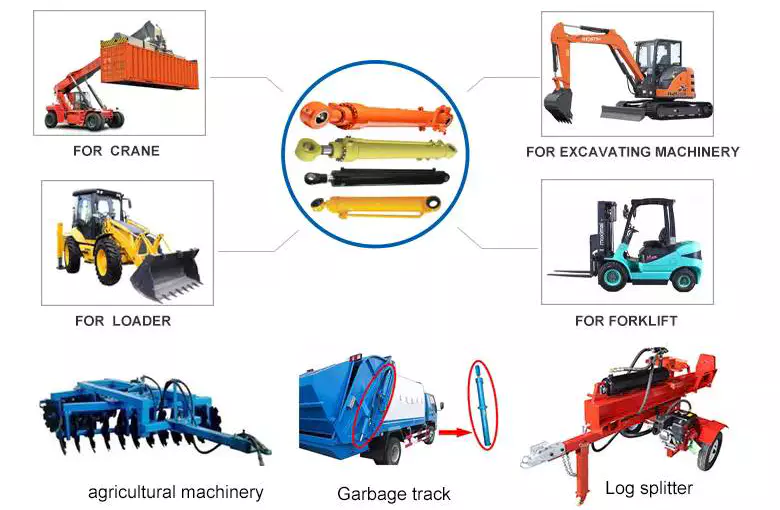
Integration of Hydraulic Cylinders with Equipment Requiring Rapid and Dynamic Movements
Hydraulic cylinders can indeed be integrated with equipment that requires rapid and dynamic movements. While hydraulic systems are generally known for their ability to provide high force and precise control, they can also be designed and optimized for applications that demand fast and dynamic motion. Let’s explore how hydraulic cylinders can be integrated with such equipment:
- High-Speed Hydraulic Systems: Hydraulic cylinders can be part of high-speed hydraulic systems designed specifically for rapid and dynamic movements. These systems incorporate features such as high-flow valves, optimized hydraulic circuitry, and responsive control systems. By carefully engineering the system components and hydraulic parameters, it is possible to achieve the desired speed and responsiveness, enabling the equipment to perform rapid movements.
- Valve Control: The control of hydraulic cylinders plays a crucial role in achieving rapid and dynamic movements. Proportional or servo valves can be used to precisely control the flow of hydraulic fluid into and out of the cylinder. These valves offer fast response times and precise flow control, allowing for rapid acceleration and deceleration of the cylinder’s piston. By adjusting the valve settings and optimizing the control algorithms, equipment can be designed to execute dynamic movements with high speed and accuracy.
- Optimized Cylinder Design: The design of hydraulic cylinders can be optimized to facilitate rapid and dynamic movements. Lightweight materials, such as aluminum alloys or composite materials, can be used to reduce the moving mass of the cylinder, enabling faster acceleration and deceleration. Additionally, the cylinder’s internal components, such as the piston and seals, can be designed for low friction to minimize energy losses and enhance responsiveness. These design optimizations contribute to the overall speed and dynamic performance of the equipment.
- Accumulator Integration: Hydraulic accumulators can be integrated into the system to enhance the dynamic capabilities of hydraulic cylinders. Accumulators store pressurized hydraulic fluid, which can be rapidly released to supplement the flow from the pump during high-demand situations. This stored energy can provide an extra boost of power, allowing for faster and more dynamic movements. By strategically sizing and configuring the accumulator, the system can be optimized for the specific rapid and dynamic requirements of the equipment.
- System Feedback and Control: To achieve precise and dynamic movements, hydraulic systems can incorporate feedback sensors and advanced control algorithms. Position sensors, such as linear potentiometers or magnetostrictive sensors, provide real-time position feedback of the hydraulic cylinder. This information can be used in closed-loop control systems to maintain precise positioning and execute rapid movements. Advanced control algorithms can optimize the control signals sent to the valves, ensuring smooth and dynamic motion while minimizing overshooting or oscillations.
In summary, hydraulic cylinders can be integrated with equipment that requires rapid and dynamic movements by utilizing high-speed hydraulic systems, employing responsive valve control, optimizing cylinder design, integrating accumulators, and incorporating feedback sensors and advanced control algorithms. These measures enable hydraulic systems to deliver the speed, responsiveness, and precision necessary for equipment operating in dynamic environments. By leveraging the capabilities of hydraulic cylinders, manufacturers can design and integrate systems that meet the requirements of applications demanding rapid and dynamic movements.
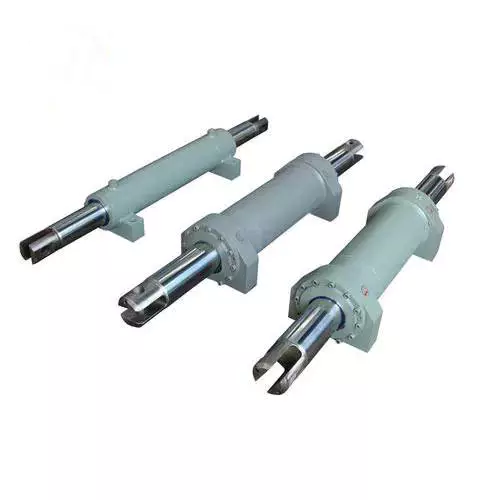
ஹைட்ராலிக் சிலிண்டர்கள் உபகரணங்களில் துல்லியமான மற்றும் கட்டுப்படுத்தப்பட்ட இயக்கத்தை எவ்வாறு உறுதி செய்கின்றன?
பல்வேறு உபகரணங்கள் மற்றும் இயந்திரங்களில் துல்லியமான மற்றும் கட்டுப்படுத்தப்பட்ட இயக்கத்தை வழங்குவதற்காக ஹைட்ராலிக் சிலிண்டர்கள் பரவலாகப் பயன்படுத்தப்படுகின்றன. அவை துல்லியமான நிலைப்படுத்தல், சீரான செயல்பாடு மற்றும் நம்பகமான கட்டுப்பாட்டை அடைவதற்காக ஹைட்ராலிக் திரவம் மற்றும் இயந்திரக் கூறுகளைப் பயன்படுத்துகின்றன. உபகரணங்களில் ஹைட்ராலிக் சிலிண்டர்கள் எவ்வாறு துல்லியமான மற்றும் கட்டுப்படுத்தப்பட்ட இயக்கத்தை உறுதி செய்கின்றன என்பதற்கான விரிவான விளக்கம் இங்கே கொடுக்கப்பட்டுள்ளது:
1. நீரியல் கொள்கை:
ஹைட்ராலிக் சிலிண்டர்கள் பாஸ்கல் விதியின் அடிப்படையில் செயல்படுகின்றன. இவ்விதியின்படி, ஒரு திரவத்தின் மீது செலுத்தப்படும் அழுத்தம் அனைத்து திசைகளிலும் சமமாகப் பரவுகிறது. ஹைட்ராலிக் திரவமானது சிலிண்டருக்குள் அடங்கியுள்ளது, மேலும் அழுத்தம் செலுத்தப்படும்போது, அது பிஸ்டன் மீது செயல்பட்டு விசையை உருவாக்குகிறது. ஹைட்ராலிக் திரவத்தின் அழுத்தம் மற்றும் ஓட்டத்தைக் கட்டுப்படுத்துவதன் மூலம், சிலிண்டரின் இயக்கத்தைத் துல்லியமாக ஒழுங்குபடுத்த முடியும். இது, சரியான மற்றும் கட்டுப்படுத்தப்பட்ட இயக்கத்திற்கு வழிவகுக்கிறது.
2. விசை மற்றும் சுமை மேலாண்மை:
ஹைட்ராலிக் சிலிண்டர்கள் குறிப்பிட்ட சுமைகளையும் விசைகளையும் கையாளும் வகையில் வடிவமைக்கப்பட்டுள்ளன. ஹைட்ராலிக் சிலிண்டரால் உருவாக்கப்படும் விசையானது, ஹைட்ராலிக் அழுத்தம் மற்றும் பிஸ்டனின் மேற்பரப்புப் பரப்பளவைப் பொறுத்தது. அழுத்தத்தைச் சரிசெய்வதன் மூலம், விசை வெளியீட்டைக் கட்டுப்படுத்த முடியும். இது சுமையைத் துல்லியமாக நிர்வகிக்க உதவுகிறது மற்றும் சிலிண்டர் அதிகப்படியான அல்லது போதுமான அளவு இல்லாத விசையைச் செலுத்தாமல், தேவையான விசையைக் கையாள முடியும் என்பதை உறுதி செய்கிறது. முறையான சுமை மேலாண்மை, உபகரணத்தின் துல்லியமான மற்றும் கட்டுப்படுத்தப்பட்ட இயக்கத்திற்குப் பங்களிக்கிறது.
3. கட்டுப்பாட்டு வால்வுகள்:
சிலிண்டருக்குள் ஹைட்ராலிக் திரவத்தின் ஓட்டம் மற்றும் திசையை ஒழுங்குபடுத்துவதில் கட்டுப்பாட்டு வால்வுகள் முக்கிய பங்கு வகிக்கின்றன. இந்த வால்வுகள், சிலிண்டரின் நீட்டிப்பு மற்றும் சுருக்கத்தைக் கட்டுப்படுத்தவும், இயக்க வேகத்தைச் சரிசெய்யவும், மேலும் சிலிண்டரை விரும்பிய எந்த நிலையிலும் நிறுத்தவும் அல்லது வைத்திருக்கவும் இயக்குபவர்களுக்கு உதவுகின்றன. கட்டுப்பாட்டு வால்வுகளைக் கையாள்வதன் மூலம், துல்லியமான மற்றும் கட்டுப்படுத்தப்பட்ட இயக்கத்தை அடைய முடியும். இது, இயக்குபவர்கள் உபகரணங்களைத் துல்லியமாக நிலைநிறுத்தவும், குறிப்பிட்ட பணிகளைத் துல்லியமாகச் செய்யவும் உதவுகிறது.
4. பாய்வு கட்டுப்பாடு:
ஹைட்ராலிக் சிலிண்டர்கள், ஹைட்ராலிக் திரவத்தின் பாய்வு விகிதத்தை நிர்வகிப்பதற்காக பாய்வுக் கட்டுப்பாட்டு வால்வுகளைக் கொண்டுள்ளன. இந்த வால்வுகள் சிலிண்டரின் நீட்சி மற்றும் சுருக்கத்தின் வேகத்தைக் கட்டுப்படுத்தி, மென்மையான மற்றும் கட்டுப்படுத்தப்பட்ட இயக்கத்தை அனுமதிக்கின்றன. பாய்வு விகிதத்தைச் சரிசெய்வதன் மூலம், இயக்குபவர்கள் சிலிண்டரின் வேகத்தைத் துல்லியமாகக் கட்டுப்படுத்த முடியும். இதனால், திடீர் அல்லது ஒழுங்கற்ற அசைவுகள் இல்லாமல், அது விரும்பிய வேகத்தில் நகர்வதை உறுதிசெய்ய முடிகிறது. பாய்வுக் கட்டுப்பாடு, உபகரணத்தின் இயக்கத்தின் ஒட்டுமொத்த துல்லியம் மற்றும் கட்டுப்பாட்டிற்குப் பங்களிக்கிறது.
5. நிலை கண்டறிதல்:
– துல்லியமான இயக்கத்தை உறுதிசெய்ய, ஹைட்ராலிக் சிலிண்டர்களில் நேரியல் டிரான்ஸ்டியூசர்கள் அல்லது அருகாமை சென்சார்கள் போன்ற நிலை கண்டறியும் கருவிகளைப் பொருத்தலாம். இந்த சென்சார்கள் சிலிண்டரின் நிலை குறித்த பின்னூட்டத்தை வழங்கி, துல்லியமான நிலைக் கட்டுப்பாடு மற்றும் மூடிய-சுற்று கட்டுப்பாட்டு அமைப்புகளுக்கு வழிவகுக்கின்றன. நிலையைத் தொடர்ந்து கண்காணிப்பதன் மூலம், உபகரணத்தின் இயக்கத்தை மிகத் துல்லியமாகக் கட்டுப்படுத்த முடியும், இது நுட்பமான நிலைப்படுத்தல் மற்றும் செயல்பாட்டைச் சாத்தியமாக்குகிறது.
6. விகிதாசாரக் கட்டுப்பாடு:
மேம்பட்ட ஹைட்ராலிக் அமைப்புகள் விகிதாசாரக் கட்டுப்பாட்டுத் தொழில்நுட்பத்தைப் பயன்படுத்துகின்றன, இது ஹைட்ராலிக் சிலிண்டரின் இயக்கத்தைத் துல்லியமாகவும் நுட்பமாகவும் கட்டுப்படுத்த அனுமதிக்கிறது. பெரும்பாலும் மின்னணு கட்டுப்பாட்டு அமைப்புகளால் இயக்கப்படும் விகிதாசார வால்வுகள், மாறுபடும் பாய்வு விகிதங்களையும் அழுத்தச் சரிசெய்தல்களையும் வழங்குகின்றன. இந்தத் தொழில்நுட்பம் வேகம், விசை மற்றும் நிலை ஆகியவற்றின் துல்லியமான கட்டுப்பாட்டைச் சாத்தியமாக்குகிறது, இதன் விளைவாக உபகரணத்தின் இயக்கம் மிகவும் துல்லியமாகவும் கட்டுப்படுத்தப்பட்டதாகவும் அமைகிறது.
7. மெத்தையாக்குதல் மற்றும் தணித்தல்:
– இயக்கத்தின் முடிவில் மென்மையான மற்றும் கட்டுப்படுத்தப்பட்ட இயக்கத்தை உறுதி செய்வதற்காக, ஹைட்ராலிக் சிலிண்டர்களில் மெத்தையாக்கும் மற்றும் தணிக்கும் பொறிமுறைகள் இணைக்கப்படலாம். சரிசெய்யக்கூடிய மெத்தைகள் அல்லது அதிர்வு உறிஞ்சிகள் போன்ற மெத்தையாக்கும் அம்சங்கள், இயக்கத்தின் முடிவை அடைவதற்கு முன்பு தாக்கத்தைக் குறைத்து, சிலிண்டரின் வேகத்தைக் குறைக்கின்றன. இது திடீர் நிறுத்தங்களைத் தடுத்து, அதிர்வுகளைக் குறைத்து, துல்லியமான மற்றும் கட்டுப்படுத்தப்பட்ட இயக்கத்திற்கு வழிவகுக்கிறது.
8. சுமை ஈடுசெய்தல்:
– சில ஹைட்ராலிக் அமைப்புகள், சுமை மாறுபடும்போதும் துல்லியமான இயக்கத்தைப் பராமரிப்பதற்காக, சுமை ஈடுசெய் பொறிமுறைகளைப் பயன்படுத்துகின்றன. சுமை உணரும் அமைப்புகள், சுமையின் தேவையைக் கண்காணித்து, அந்தத் தேவையைப் பூர்த்தி செய்யும் வகையில் ஹைட்ராலிக் அழுத்தம் மற்றும் பாய்வு விகிதத்தைச் சரிசெய்கின்றன. இந்த ஈடுசெய்தல், செலுத்தப்படும் சுமையில் ஏற்படும் மாற்றங்களைப் பொருட்படுத்தாமல், உபகரணத்தின் இயக்கம் துல்லியமாகவும் கட்டுப்படுத்தப்பட்டதாகவும் இருப்பதை உறுதி செய்கிறது.
சுருக்கமாக, ஹைட்ராலிக் சிலிண்டர்கள், ஹைட்ராலிக் கோட்பாடுகள், விசை மற்றும் சுமை மேலாண்மை, கட்டுப்பாட்டு வால்வுகள், பாய்வு கட்டுப்பாடு, நிலை உணர்தல், விகிதாசாரக் கட்டுப்பாடு, மெத்தையாக்கல் மற்றும் தணிப்பு வழிமுறைகள், மற்றும் சுமை ஈடுசெய்தல் ஆகியவற்றைப் பயன்படுத்துவதன் மூலம் உபகரணங்களில் துல்லியமான மற்றும் கட்டுப்படுத்தப்பட்ட இயக்கத்தை உறுதி செய்கின்றன. இந்த அம்சங்களும் தொழில்நுட்பங்களும் இயக்குபவர்களுக்குத் துல்லியமான நிலைப்படுத்தல், சீரான செயல்பாடு மற்றும் நம்பகமான கட்டுப்பாட்டை அடைய உதவுகின்றன, இதன்மூலம் உபகரணங்கள் பணிகளைத் துல்லியமாகவும் திறமையாகவும் செய்ய முடிகிறது. ஹைட்ராலிக் சக்தி மற்றும் கவனமான வடிவமைப்பு அம்சங்களின் ஒருங்கிணைப்பு, பரந்த அளவிலான தொழில்துறைப் பயன்பாடுகளில் ஹைட்ராலிக் சிலிண்டர்கள் துல்லியமான மற்றும் கட்டுப்படுத்தப்பட்ட இயக்கத்தை வழங்குவதை உறுதி செய்கிறது.


editor by CX 2023-11-23