
Tilt Cylinder for Bulk Material Transport
Introduction
In the field of bulk material transport, the tilt cylinder plays a crucial role in ensuring efficient and safe operations. This blog post will delve into the various aspects of tilt cylinders, their working principles, and how to choose the right cylinder for specific applications.
1. Overview of Tilt Cylinder
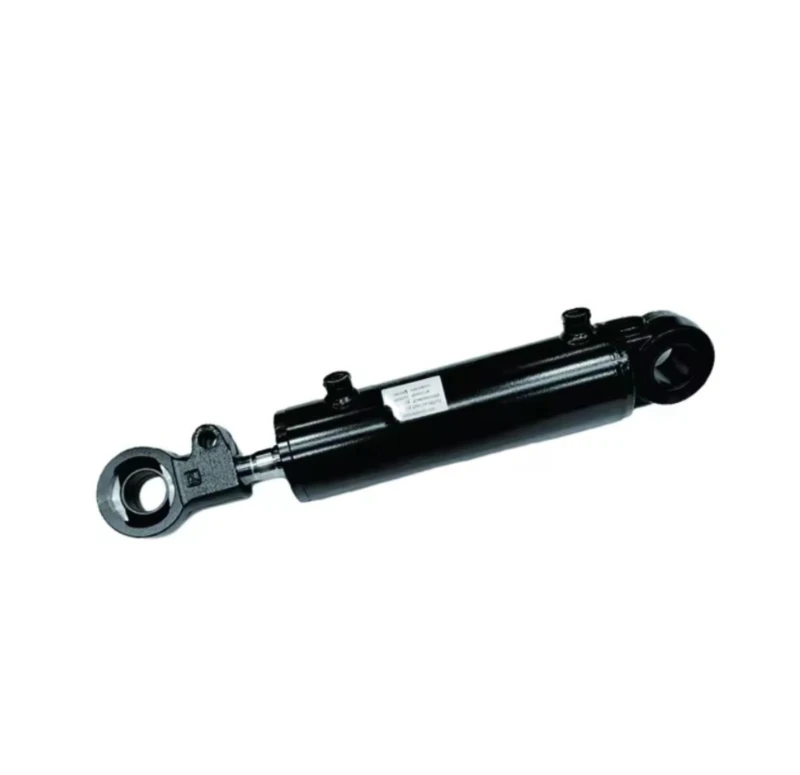
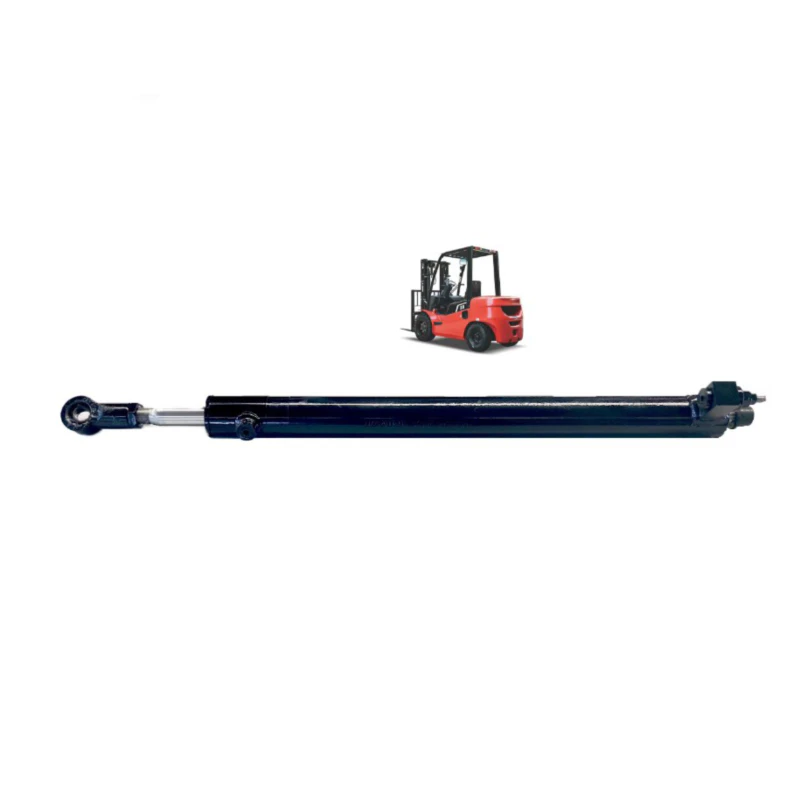
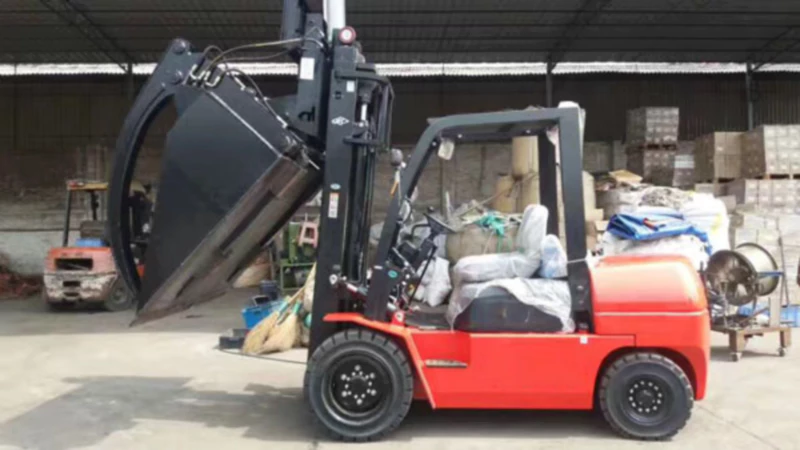
Tilt cylinders are hydraulic devices designed to provide controlled movement and positioning of equipment used in bulk material handling. With their ability to tilt heavy loads, these cylinders contribute to improved productivity and enhanced safety in various industries.
2. Importance of Tilt Cylinder in Bulk Material Transport
2.1 Enhanced Stability and Control
One of the primary advantages of tilt cylinders in bulk material transport is their ability to provide enhanced stability and control. With precise tilting capabilities, operators can maintain the desired position of the equipment, preventing load shifting and potential accidents.
2.2 Efficient Material Discharge
Tilt cylinders enable efficient material discharge by allowing controlled tilting and dumping of bulk materials. This ensures that the load is released smoothly and accurately, reducing the risk of spillage and optimizing the transportation process.
2.3 Increased Flexibility and Adaptability
Tilt cylinders offer increased flexibility and adaptability, allowing equipment to operate in various working conditions. By adjusting the tilt angle, operators can accommodate different types of materials and loading requirements, making them ideal for diverse applications.
2.4 Improved Productivity
With the precise control provided by tilt cylinders, operators can handle bulk materials more efficiently, resulting in improved productivity. The ability to tilt and dump materials with ease reduces the time required for each cycle, allowing for faster material handling operations.
2.5 Enhanced Operator Safety
Tilt cylinders contribute to enhanced operator safety by providing stable and controlled movement of equipment. Operators can avoid sudden shifts or unexpected movements, reducing the risk of accidents and injuries during bulk material transport.
3. Working Principle of Tilt Cylinder
The working principle of a tilt cylinder involves the utilization of hydraulic pressure to extend or retract the cylinder rod. This movement is translated into controlled tilting of the equipment, allowing for precise positioning and material discharge.
When hydraulic fluid is supplied to one side of the cylinder, it creates pressure, causing the rod to extend. Conversely, supplying fluid to the other side of the cylinder retracts the rod. By controlling the flow of hydraulic fluid, operators can achieve the desired tilt angle and maintain it throughout the operation.
Overall, the working principle of a tilt cylinder involves the conversion of hydraulic energy into mechanical force, enabling the controlled movement and positioning of equipment used in bulk material transport.
4. Choosing the Right Tilt Cylinder for Your Application
4.1 Load Capacity
When selecting a tilt cylinder, it is essential to consider the load capacity requirements of the application. The cylinder should be capable of handling the maximum weight of the materials being transported.
4.2 Tilt Angle Range
The tilt angle range offered by the cylinder should align with the specific requirements of the application. Different materials may require different tilt angles for efficient discharge, so it is crucial to choose a cylinder that can accommodate the desired range.
4.3 Operating Pressure
The operating pressure of the tilt cylinder should match the hydraulic system’s capabilities and the equipment’s requirements. It is important to ensure compatibility to ensure efficient and reliable performance.
4.4 Cylinder Size and Mounting
Considering the available space and mounting requirements of the equipment is crucial when selecting a tilt cylinder. The cylinder should fit seamlessly into the existing system and provide optimal functionality.
4.5 Durability and Maintenance
Choosing a tilt cylinder that is built to withstand the demands of the application is essential for long-term reliability. Additionally, considering maintenance requirements and accessibility can contribute to cost-effective operations.
Conclusion
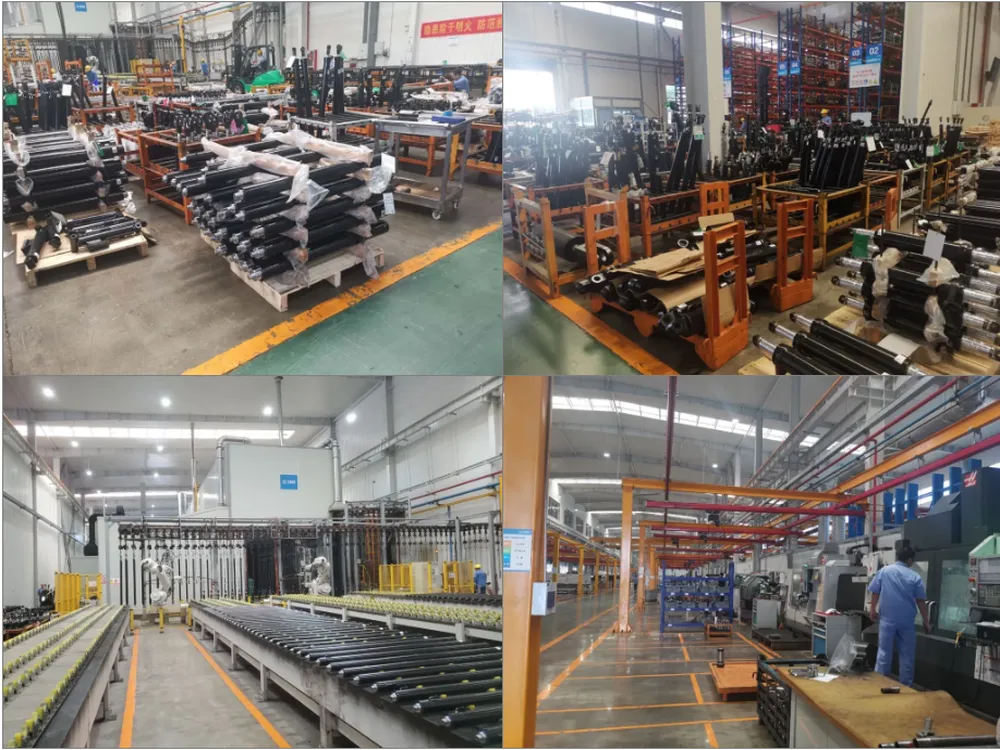
In conclusion, tilt cylinders are vital components in bulk material transport, offering enhanced stability, control, and efficiency. Their ability to precisely tilt and dump materials improves productivity and operator safety. Understanding the working principles and selecting the right cylinder for specific applications ensures optimal performance. Our company, a renowned manufacturer with over 15 years of experience in hydraulic cylinder development, production, and sales, offers a wide range of high-quality tilt cylinders. We serve clients globally and are committed to providing superior products, excellent service, and competitive prices. Trust us for all your tilt cylinder needs in bulk material transport.
Edited by Czh