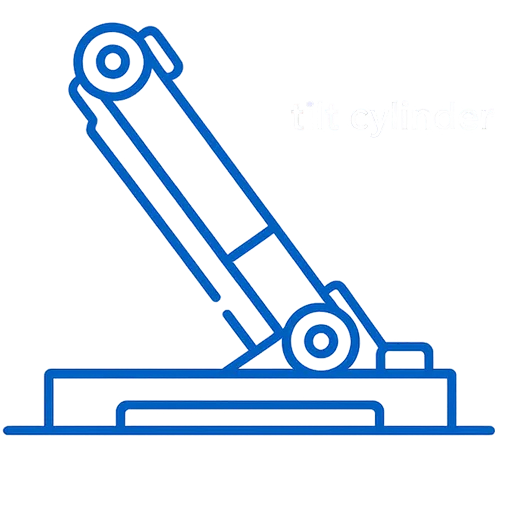
Tilt Cylinder in Recycling Plant Operations
In recycling plants, heavy machinery is essential for the efficient and effective movement of materials. One such piece of machinery is the tilt cylinder, which is used in a variety of applications to control the angle and position of equipment. In this blog post, we will explore the benefits of using tilt cylinder in recycling plant operations, its working principle, and how to choose the best tilt cylinder for the application.
Benefits of Using Tilt Cylinder in Recycling Plant Operations
1. Increased Efficiency
With the use of tilt cylinders, recycling plants can increase their efficiency by allowing operators to easily adjust the angle and position of equipment. This allows for faster and more precise manipulation of materials, which can lead to a more efficient recycling process.
2. Improved Safety
Tilt cylinders can also improve safety in recycling plants by providing operators with greater control over machinery. By allowing for fine adjustments to be made, tilt cylinders can help prevent accidents and reduce the risk of injury to workers.
3. Increased Versatility
Tilt cylinders are highly versatile and can be used in a variety of applications in recycling plant operations. They can be used to control the angle of conveyor belts, sorters, and other equipment, allowing for greater flexibility in the recycling process.
4. Enhanced Durability
Tilt cylinders are designed to withstand heavy use and harsh conditions, making them an ideal choice for recycling plant operations. They are made with high-quality materials and are built to last, even in demanding environments.
5. Cost-Effective Solution
Tilt cylinders are a cost-effective solution for recycling plant operations. They are a relatively low-cost investment that can provide significant benefits in terms of efficiency, safety, and versatility. Additionally, the enhanced durability of tilt cylinders can help reduce maintenance and replacement costs over time.
Working Principle of Tilt Cylinder
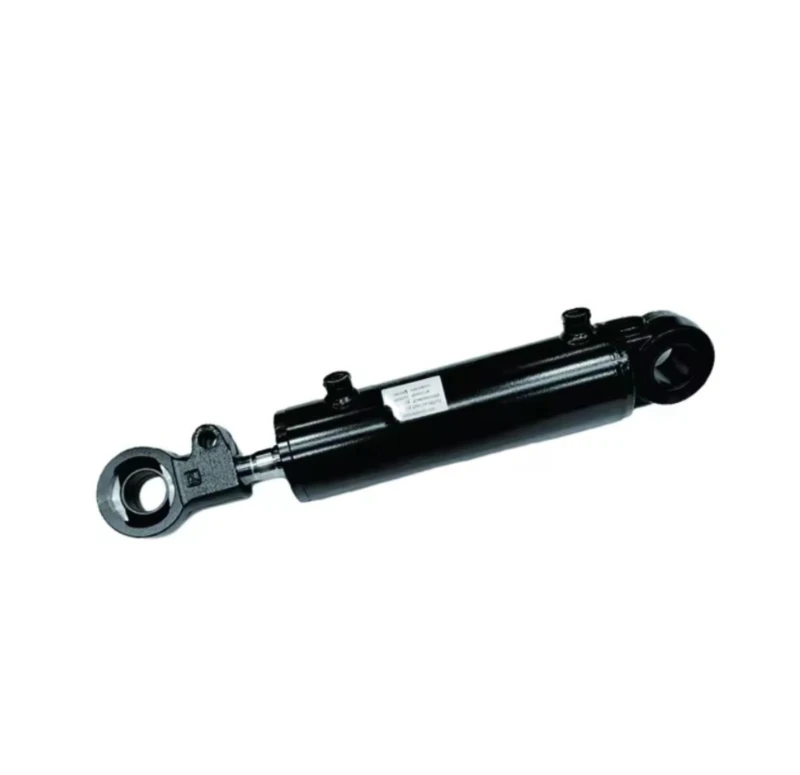
Tilt cylinders are hydraulic cylinders that are used to control the angle and position of equipment. They work by converting hydraulic pressure into mechanical force, which is used to extend or retract a piston. The movement of the piston is used to control the angle and position of equipment.
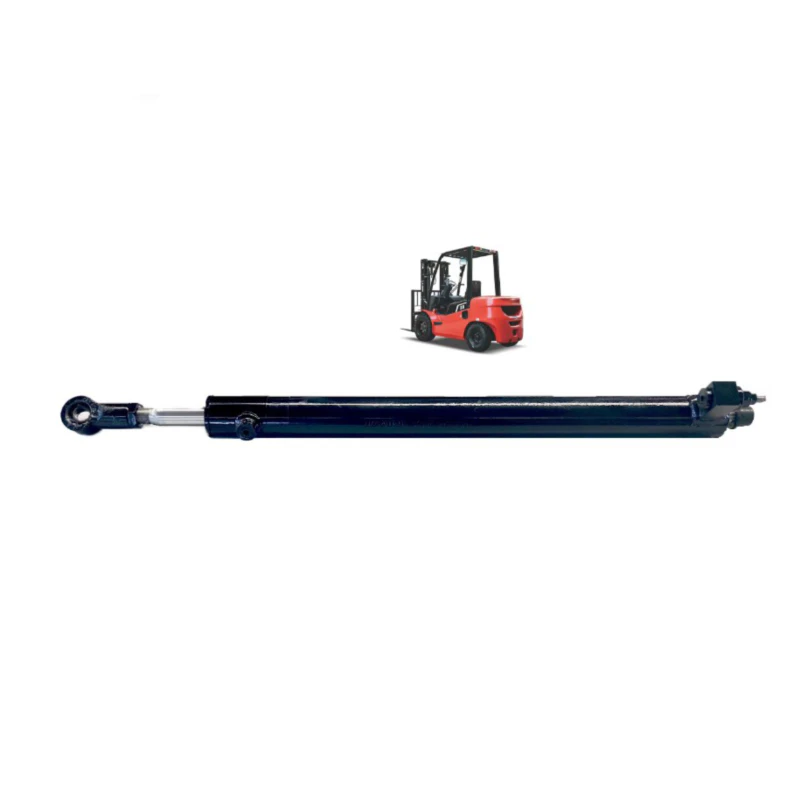
Most tilt cylinders are double-acting, which means they can move in both directions. This allows for greater control over the movement of equipment and can help improve efficiency and safety in recycling plant operations.
How to Choose the Best Tilt Cylinder for the Application
1. Consider the Application Requirements
The first step in choosing the best tilt cylinder for the application is to consider the specific requirements of the application. This includes factors such as the weight of the equipment being controlled, the angle of movement required, and the environmental conditions in which the equipment will be operating.
2. Determine the Required Force and Stroke Length
Once the application requirements have been established, the next step is to determine the required force and stroke length of the tilt cylinder. This will ensure that the cylinder is capable of providing the necessary movement and control for the equipment.
3. Choose the Right Mounting Style
Tilt cylinders are available in a variety of mounting styles, including clevis, flange, and trunnion. It is important to choose the right mounting style for the application to ensure a secure and stable connection between the cylinder and the equipment.
4. Consider the Seal Type
The seal type of the tilt cylinder is also an important consideration. Different seal types are suitable for different environmental conditions and can affect the durability and performance of the cylinder over time.
5. Select a Reputable Manufacturer
Finally, it is important to select a reputable manufacturer with experience in designing and producing tilt cylinders for recycling plant operations. A reputable manufacturer will provide high-quality products, technical support, and after-sales service.
How to Install Tilt Cylinder
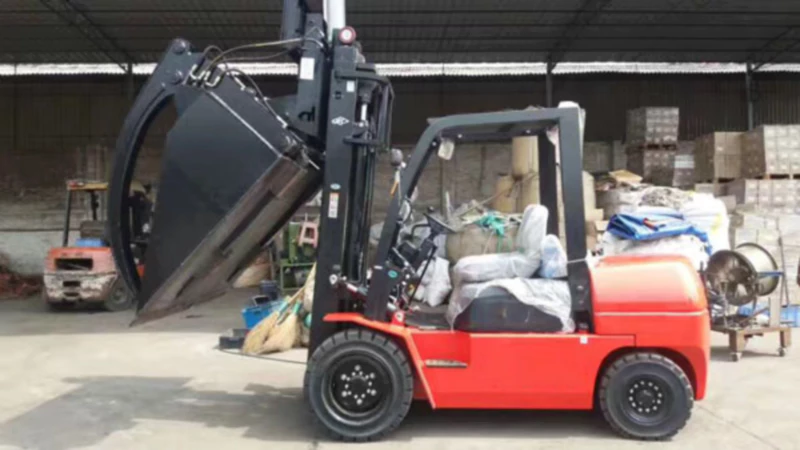
The installation of tilt cylinders in recycling plant operations is a complex process that should be carried out by trained professionals. It involves mounting the cylinder to the equipment and connecting the hydraulic lines to the cylinder.
The installation process may vary depending on the specific equipment and application, but it typically involves the following steps:
1. Prepare the Equipment
The first step in installing a tilt cylinder is to prepare the equipment by ensuring that it is clean and free of any debris or obstructions. This will provide a clear workspace for the installation.
2. Mount the Cylinder to the Equipment
The next step is to mount the tilt cylinder to the equipment using the appropriate mounting style. This should be done according to the manufacturer’s instructions to ensure a secure and stable connection.
3. Connect the Hydraulic Lines
The final step in installing a tilt cylinder is to connect the hydraulic lines to the cylinder. This should be done carefully to ensure that the connections are secure and leak-free.
Promotion of Our Tilt Cylinder
Our company is a leading manufacturer of hydraulic cylinders, including tilt cylinders. We have over 15 years of experience in designing, producing, and selling tilt cylinders for a variety of applications, including recycling plant operations.
Our company is committed to providing high-quality products, technical support, and after-sales service to our customers. We use advanced production equipment and testing equipment, and employ industry professionals in research and development and manufacturing. We strictly control every aspect of the production process to provide customers with high-quality, efficient, and stable products.
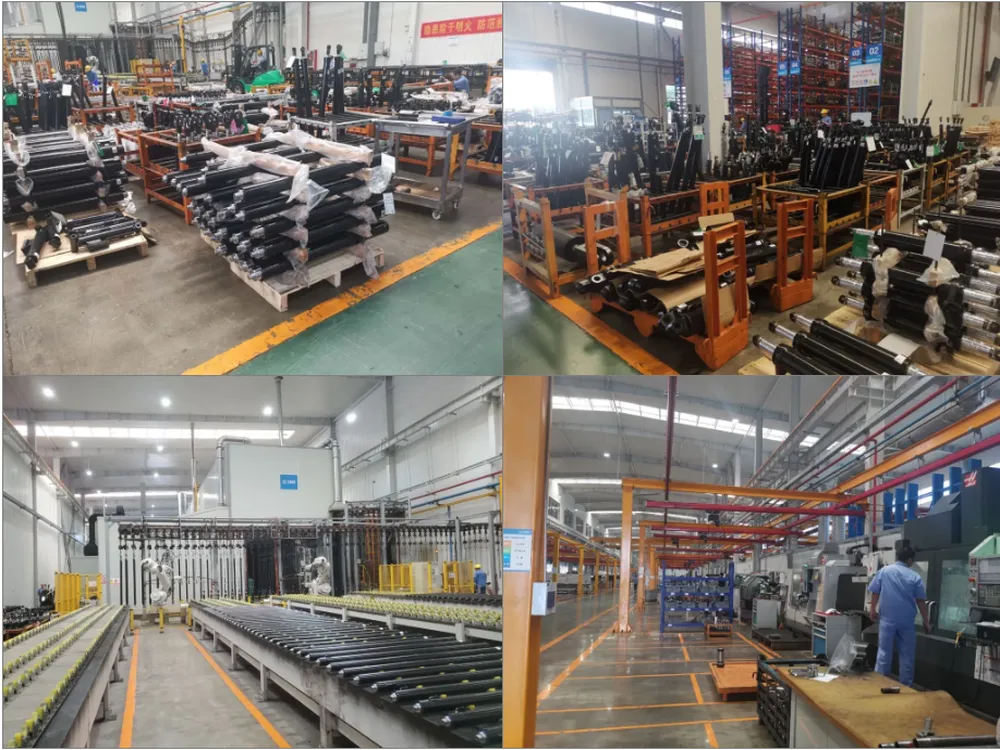
Our Advantages:
- Over 15 years of experience in designing and producing tilt cylinders
- High-quality products
- Technical support and after-sales service
- Advanced production equipment and testing equipment
- Professional research and development and manufacturing team
For more information about our tilt cylinders and other hydraulic cylinders, please visit our website or contact us directly. We would be happy to answer any questions you may have.
Edited by Czh.