
Tilt Cylinder for Material Handling Solutions
Material handling solutions play a crucial role in various industries, including construction, agriculture, mining, aerospace, automotive, shipping, and logistics. To ensure efficient and effective material handling, a key component that is often utilized is the tilt cylinder. In this article, we will explore the tilt cylinder’s applications, advantages, working principle, and how to select the appropriate tilt cylinder for specific applications.
Applications of Tilt Cylinder
1. Forklift Trucks
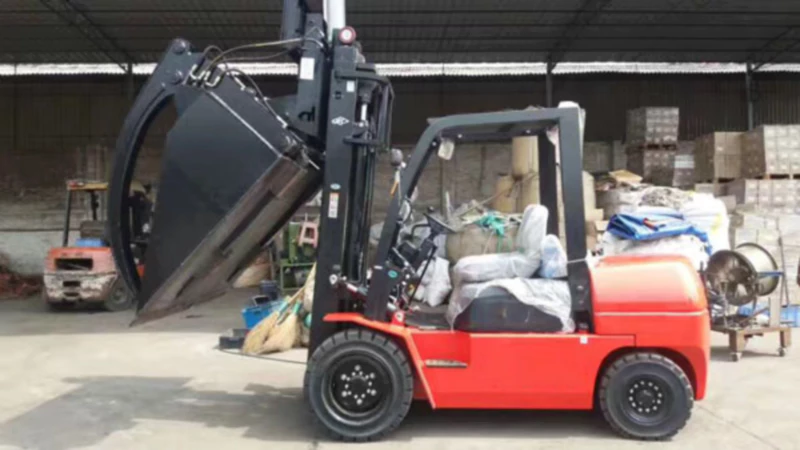
Tilt cylinders are extensively used in forklift trucks to tilt the mast and the load. This enables precise positioning of the load, improving stability and safety during material handling operations.
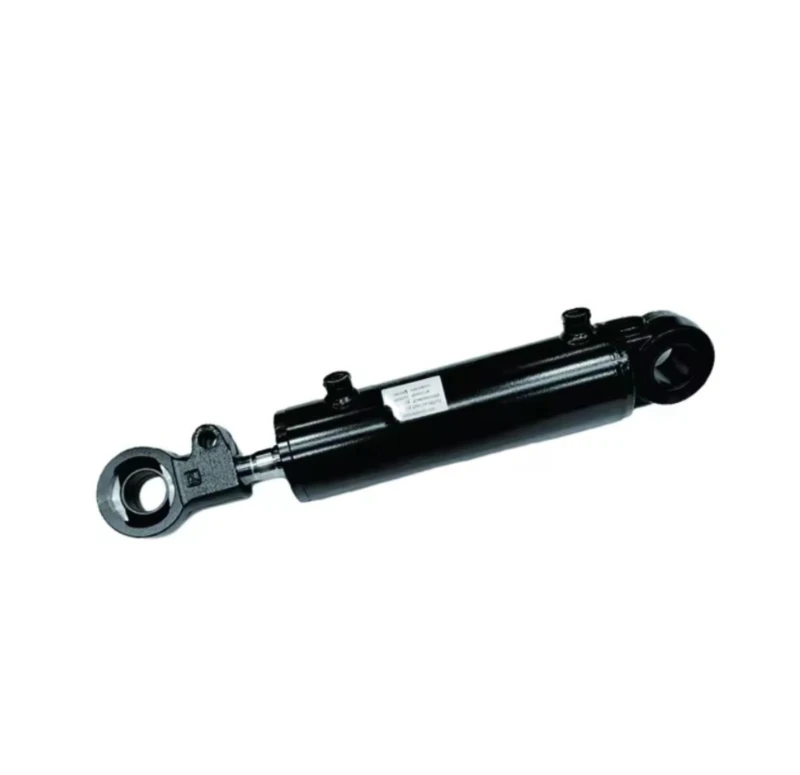
2. Excavators
In excavators, tilt cylinders are employed to control the angle of the bucket or attachment. This allows for efficient digging, leveling, and material placement, enhancing the overall productivity of the machine.
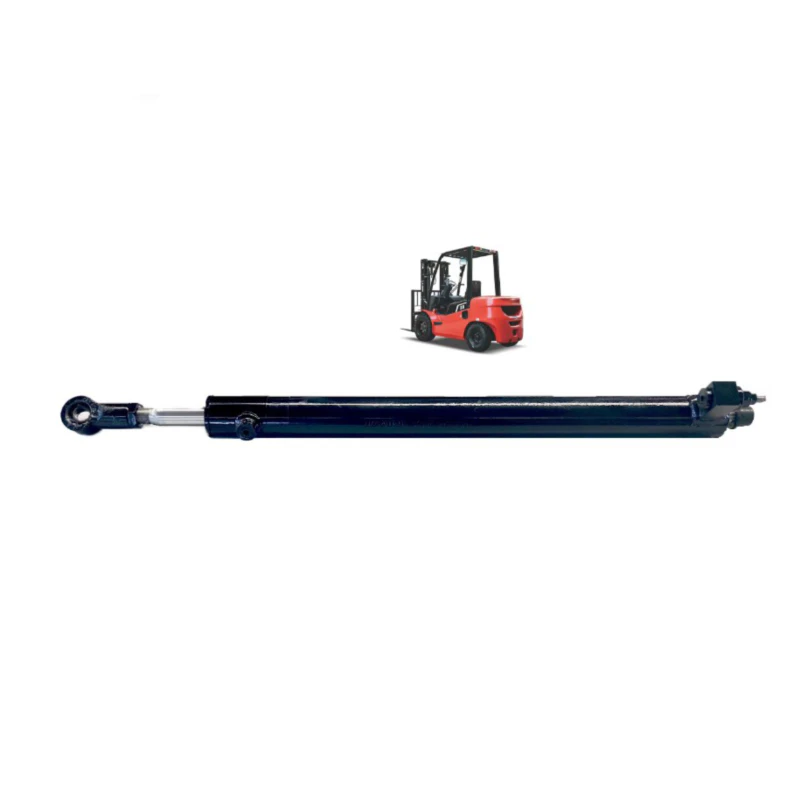
3. Agricultural Machinery
Tilt cylinders are vital components in agricultural machinery such as loaders and tractors. They enable precise control of the bucket or blade, facilitating tasks such as loading, grading, and leveling of soil or other materials.
4. Material Handling Equipment
In material handling equipment like conveyor systems and automated storage and retrieval systems, tilt cylinders are used to adjust the angle of the conveyor or lifting mechanism. This ensures smooth and efficient movement of materials, optimizing the workflow.
5. Industrial Robots
Tilt cylinders are incorporated into industrial robots to enable tilting and positioning of various components, enhancing the robot’s flexibility and adaptability in handling different materials and objects.
Advantages of Tilt Cylinder for Material Handling
1. Enhanced Precision
The precise control offered by tilt cylinders allows for accurate positioning and manipulation of loads, reducing the risk of damage and optimizing material handling operations.
2. Improved Safety
Tilt cylinders contribute to enhanced safety by providing stability and controlled movement of loads. This minimizes the chances of accidents or injuries during material handling tasks.
3. Increased Efficiency
By enabling precise adjustment and manipulation of loads, tilt cylinders enhance the efficiency of material handling operations. This leads to reduced handling time and increased overall productivity.
4. Versatility
With the ability to adjust the angle or position of various equipment, tilt cylinders offer versatility in material handling applications. They can be utilized in a wide range of machinery and equipment, making them highly adaptable.
5. Cost Savings
Tilt cylinders contribute to cost savings by improving the efficiency and productivity of material handling processes. This results in reduced labor requirements, minimized equipment wear and tear, and optimized resource utilization.
Working Principle of Tilt Cylinder
Tilt cylinders operate based on the principles of hydraulic power. They consist of a piston, cylinder barrel, and hydraulic fluid. When hydraulic pressure is applied to one side of the piston, it pushes the piston, causing the cylinder barrel to extend or retract, thereby tilting the desired component or equipment.
Choosing the Right Tilt Cylinder for Your Application
1. Load Capacity
Consider the weight and load requirements of your application to select a tilt cylinder with appropriate load capacity to ensure safe and efficient operation.
2. Operating Environment
Take into account the environmental conditions, such as temperature, humidity, and exposure to chemicals or contaminants, to choose a tilt cylinder that can withstand and perform reliably in the specified environment.
3. Mounting Configuration
Ensure compatibility between the tilt cylinder and the mounting configuration of your equipment. Consider factors such as space constraints, attachment options, and overall system design.
4. Stroke Length
Determine the required stroke length based on the range of motion needed for your application. This will ensure that the tilt cylinder can achieve the desired tilting angle or position.
5. Speed and Control
Consider the required speed and control precision for your application. Choose a tilt cylinder with appropriate hydraulic flow characteristics, valve control options, and feedback mechanisms to meet the desired performance criteria.
Installation of Tilt Cylinder
The installation process of a tilt cylinder may vary depending on the specific equipment and application. However, the general steps include:
1. Ensure proper alignment and positioning of the tilt cylinder with the equipment.
2. Connect the hydraulic lines to the cylinder, ensuring correct routing and secure connections.
3. Bleed the hydraulic system to remove air and ensure proper functioning.
4. Test the tilt cylinder’s operation and verify that it achieves the desired tilting angle or position.
For detailed installation instructions, refer to the manufacturer’s guidelines and specific equipment documentation.
As a leading manufacturer of hydraulic cylinders, we specialize in the design, production, and sales of tilt cylinders and other comprehensive power transmission equipment. With over 15 years of experience, we have served customers across Europe, America, Africa, and Asia, earning a reputation for providing top-quality products, efficient service, and competitive prices.
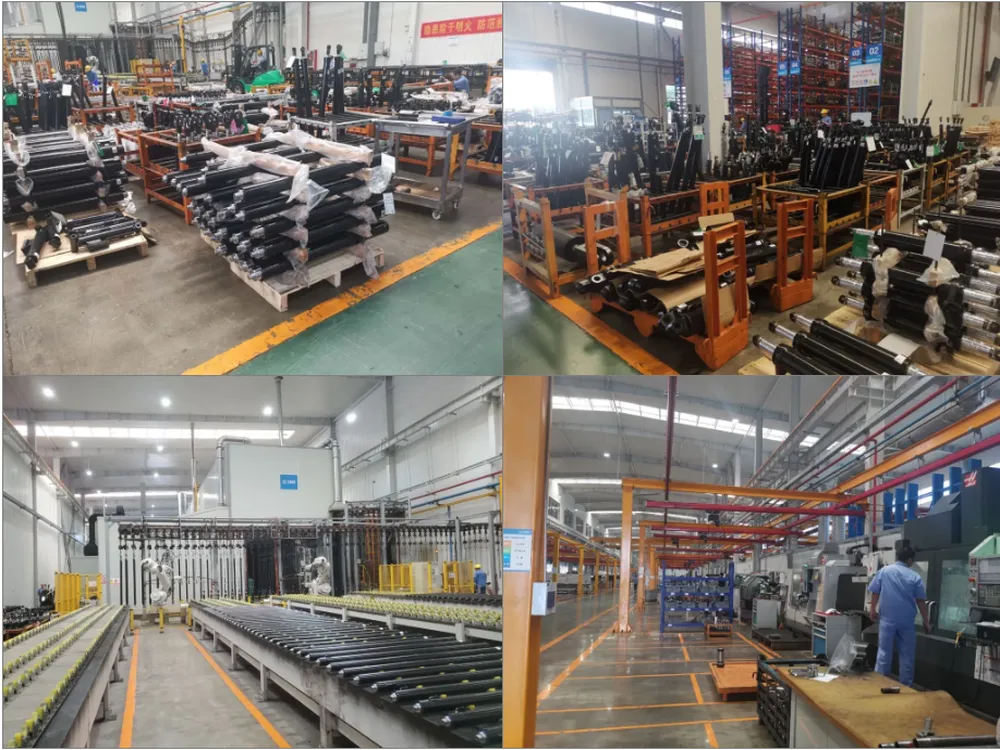
Our product range includes tilt cylinders, boom cylinders, forklift tilt cylinders, steering cylinders, small hydraulic cylinders, hydraulic pistons, and more. These products find wide applications in various industries such as construction, agriculture, mining, aerospace, automotive, shipping, and material handling, among others.
We pride ourselves on our commitment to innovation, utilizing advanced production and testing equipment, and employing industry professionals for research and development. Our standardized production management ensures excellent quality, high energy efficiency, and stability in the production of tilt cylinders and other hydraulic products.
Edited by Czh.