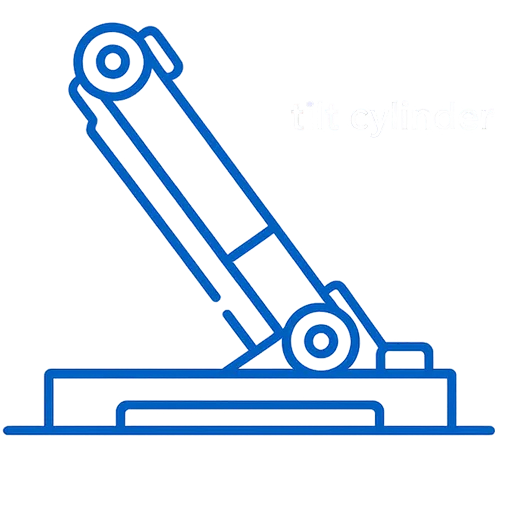
Tilt Cylinder for Heavy Machinery Towing
Introduction
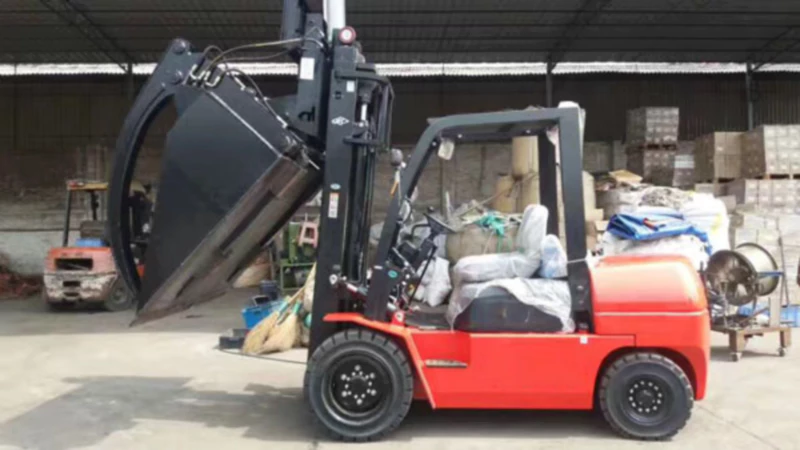
Heavy machinery towing requires the use of tilt cylinders to ensure proper movement and positioning of the machinery. Tilt cylinders are hydraulic cylinders that are commonly used in heavy machinery applications to control the movement of tilt buckets, tilt trailers, and tilt hitches. In this article, we will explore tilt cylinders for heavy machinery towing, their working principles, and how to choose the right tilt cylinder for your application.
What is a Tilt Cylinder?
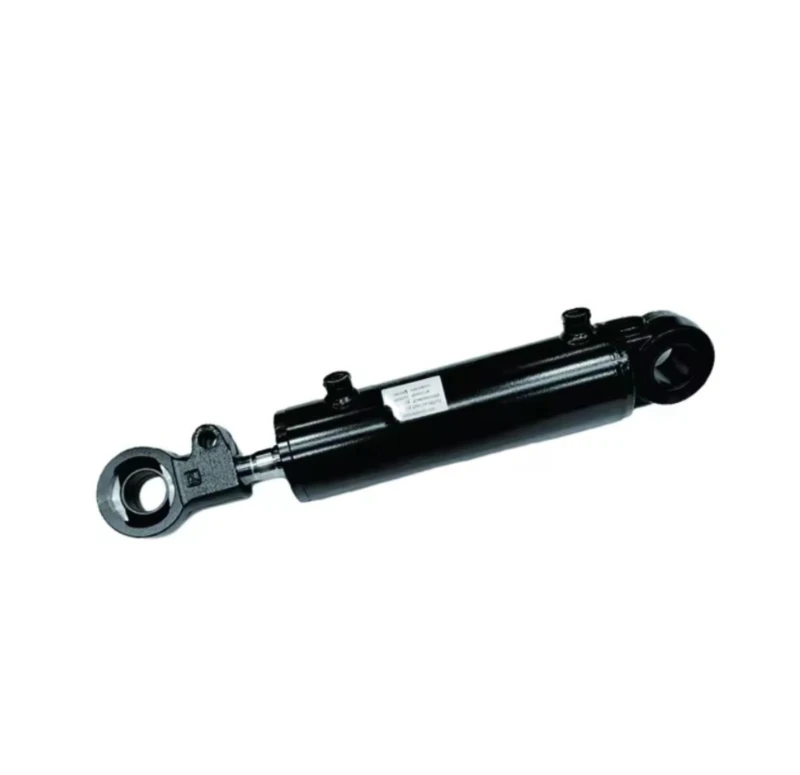
A tilt cylinder is a type of hydraulic cylinder that controls the movement of a heavy object by tilting it. The cylinder is typically made up of a piston, cylinder barrel, rod, and seals. The piston moves inside the cylinder barrel and is connected to the rod that extends out of the cylinder. The movement of the piston is controlled by the hydraulic fluid that is forced into the cylinder barrel. This movement can be used to tilt a bucket, trailer, or hitch.
Working Principle of Tilt Cylinders
Tilt cylinders work based on the principle of hydraulic pressure. When hydraulic fluid is forced into the cylinder, it pushes the piston, which then moves the rod. This movement can be used to tilt the object that the cylinder is attached to. The speed and force of the movement are controlled by the amount of hydraulic pressure that is applied.
Choosing the Right Tilt Cylinder for Your Application
Choosing the right tilt cylinder for your application is essential to ensure proper movement and positioning of the object being towed. Here are some factors to consider when selecting a tilt cylinder:
1. Application
Consider the application for which you need the tilt cylinder. The type of machinery being towed, the weight, and the required movement will all play a role in selecting the right cylinder.
2. Size
The size of the cylinder is critical in ensuring that it can handle the weight and movement required for your application. Consider the bore size, stroke length, and rod diameter when selecting a cylinder.
3. Operating Pressure
The operating pressure of the cylinder will determine the speed and force at which it operates. Consider the operating pressure required for your application when selecting a cylinder.
4. Seal Material
The seal material used in the cylinder will determine how well it can handle the hydraulic fluid and the environment. Consider the seal material based on the operating conditions of your application.
5. Brand and Quality
Choose a reputable brand and quality cylinder to ensure that it will last and perform well in your application.
Installation of Tilt Cylinders
Proper installation of tilt cylinders is critical to ensure that they operate correctly and safely. Here are some steps to follow when installing tilt cylinders:
1. Determine Mounting Position
Determine the mounting position for the cylinder on the machinery being towed. Ensure that the cylinder will not interfere with any other components or moving parts.
2. Secure Cylinder
Secure the cylinder to the machinery using appropriate bolts and brackets. Ensure that the cylinder is mounted securely and will not come loose during operation.
3. Connect Hydraulic Lines
Connect the hydraulic lines to the cylinder, following the manufacturer’s instructions. Ensure that the lines are properly connected and tightened.
4. Test the Cylinder
Test the cylinder to ensure that it is operating correctly and safely. Check for leaks and ensure that the movement is smooth and controlled.
Why Tilt Cylinder is Suitable for Heavy Machinery Towing
Tilt cylinders are suitable for heavy machinery towing because of the following advantages:
1. Precise Movement
Tilt cylinders provide precise movement control, allowing for accurate positioning of heavy machinery during towing.
2. Increased Efficiency
Tilt cylinders increase the efficiency of heavy machinery towing by reducing the time and effort required to position the machinery.
3. Improved Safety
Tilt cylinders improve the safety of heavy machinery towing by providing controlled movement and reducing the risk of accidents.
4. Customizable
Tilt cylinders can be customized to meet the specific needs of the application, ensuring that the machinery is towed safely and efficiently.
5. Durable
Tilt cylinders are built to withstand the harsh conditions of heavy machinery towing, ensuring that they will last and perform well in the application.
Conclusion
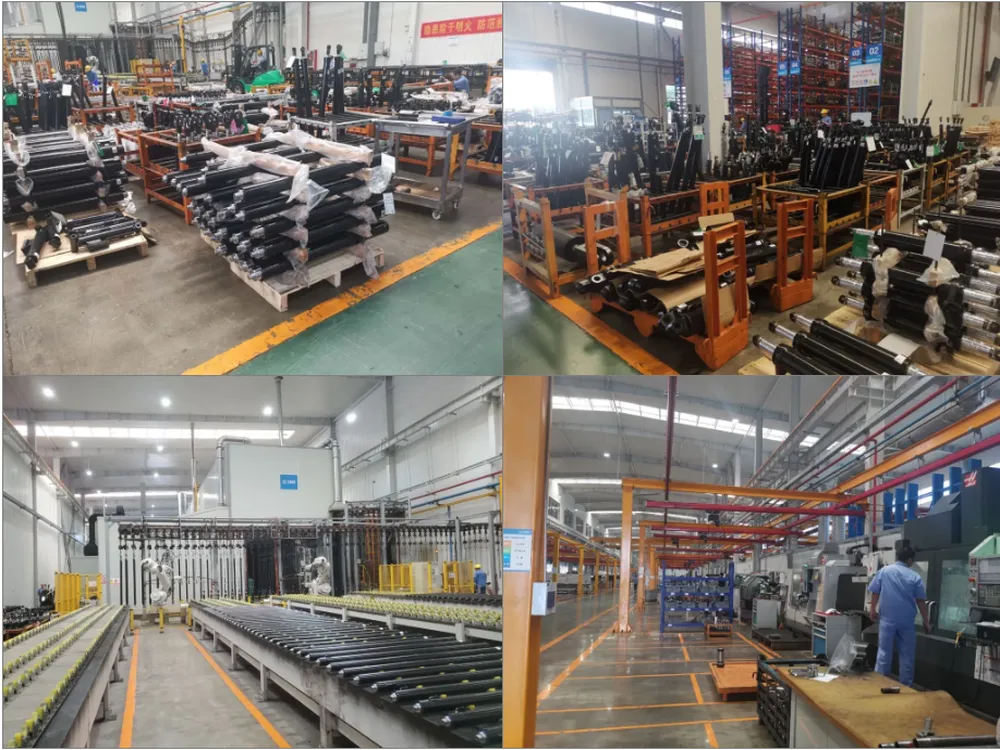
Tilt cylinders are an essential component of heavy machinery towing, providing precise movement control, increased efficiency, and improved safety. When selecting a tilt cylinder, consider the application, size, operating pressure, seal material, and brand and quality. Proper installation of tilt cylinders is critical to ensure safe and efficient towing. Our company is a leading manufacturer of hydraulic cylinders, including tilt cylinders, with over 15 years of experience in design, production, and sales. We offer high-quality products, competitive prices, and excellent customer service to clients worldwide.
Edited by Czh.