Өнім сипаттамасы
Single acting telescopic hydraulic oil cylinder for dump truck
Өнім сипаттамасы
Hyva & CHINAMFG & Custom hoist & Xihu (West Lake) Dis.r type hydraulic telescopic Cylinders are used for Dump Truck, Tipper Truck, Trailer, Agricultural Machinery, Garbage Truck, Landing Platform etc.
Tsingshi гидравликалық тұтынушылары, MAN, JAC, VOLVO, SHACMAN, DAF, JMC, HUNO, CIMC, SINOTRUK, TATRA, BENS, XIHU (WEST LAKE) DIS.FENG, FOTON және т.б.
1. Әрбір сатыдағы қатты хромды электродты тақта;
2.lighter and easier to maintenance hydraulic telescopic cylinder;
3. Жоғары сапалы қорытпалы жіксіз болат құбырлардың механикалық қасиеттері жақсырақ;
4. HALLITE, PARKER сияқты әлемге әйгілі мөр брендтері;
5. Әлемдік деңгейдегі өңдеу технологиясы тұрақты және сенімді сапаны қамтамасыз етеді.
| ЖОҚ | ЗАТ | DATA OF dump truck hydraulic cylinder |
| 1 | Материал | Көміртекті болат, қорытпалы болат, 27SiMn, 45#, 20# және т.б. |
| 2 | Тазартылған түтік | 40-300 мм, термиялық өңдеу, шиналау, илемдеу |
| 3 | Тазартылған түтік | 30-280 мм, никельмен немесе қатты хроммен немесе керамикамен қапталған |
| 4 | Тығыздағыш жинағы | Паркер, Меркель, Халлит, Каден және т.б |
| 5 | Қаптау | Құммен бояу, грунтовка бояуы, ортаңғы бояу, әрлеу бояуы, Тұтынушының сұранысына сәйкес түстерді бояуға болады. |
| 6 | Технология | Паркер, арнайы көтергіш, hyco, HYVA, Meiller SAT, DAT |
| 7 | Орнату түрі | Түйреуіш тәрізді, фланец, түйреуіш бекіткіші, шарлы бекіткіш, бұрандалы бұранда. FC, FE, FEE, FSE,TPIN |
| 8 | Жұмыс ортасы | Гидравликалық май |
| 9 | Жұмыс қысымы | 16-20Mpa telescopic hydraulic cylinder |
| 10 | Температура диапазоны | -50°C-тан +100°C-қа дейін |
Толық фотосуреттер
Компания профилі
Tsingshi hydraulic is a hydraulic telescopic cylinder for dump tipper truck company which takes up with hydraulic design, R&D, manufacturer, sell and service hydraulic products-Telescopic hydraulic cylinder for dump truck.
-Hydraulic Cylinders Certification ISO9001 TS16949, etc;
-Telescopic jack Hydraulic Cylinder Export to North America, South America, Australia, South Korea, Southeast Asia, South Africa, Europe, Middle East, etc;
-ODM&OEM Single acting Hydraulic Telescopic Cylinder according to client’s requirements;
-Professional manufacturer& supplier of Hydraulic Cylinders over 30 years;
- Гидравликалық телескопиялық цилиндрлерді самосвал, самосвал, тіркеме, ауылшаруашылық техникасы, қоқыс таситын көлік, қону платформасы және т.б. үшін пайдалануға болады; Біз келесі брендтегі гидравликалық цилиндрлерді шығара аламыз. HYVA, BINOTTO, EDBRO, PENTA, MAILHOT, CUSTOM HOIST, MUNCIE, METARIS, HYDRAULEX GLOBAL, HYCO, PARKER, COMMERCIAL HYDRAULICS, MEILLER. WTJX, XT, JX, HCIC, ZX, SZ, SJ.
ТҰТЫНУШЫЛАРДЫҢ ФОТОСУРЕТТЕРІ
САПА КЕПІЛДІГІ
HIGH QUALITITY GUARANTEE-Telescopic hydraulic cylinder for dump truck
-7*24 қызмет көрсету.
- Бәсекеге қабілетті баға.
- Кәсіби техникалық топ.
- Сатудан кейінгі қызмет көрсетудің тамаша жүйесі.
- ODM және OEM тұтынушылардың қажеттіліктеріне сәйкес.
- Жылдам жеткізуді қамтамасыз ету үшін күшті өндірістік қуат.
- Сапаға кепілдік. Әрбір процесс тексерілуі керек, барлық өнімдер зауыттан шығар алдында тексерілуі керек.
<Hydraulic Cylinder Leak Test
<Telescopic Hydraulic jack Buffer Test
<Hydraulic Telescopic Cylinder Reliability Test
<Dump truck Hydraulic Cylinder Full Stroke Test
<Dump trailer Hydraulic Cylinder Trial Operation Test
<Tipper truck Cylinder Pressure Tight Test
<Dump truck telescopic Hydraulic Cylinder Load Efficiency Test
<Dump trailer telescopic Hydraulic Cylinder Start-up Pressure Test
<Long stroke single acting hydraulic telescopic cylinder Testing the Effect of Limit
САТУ ЖӘНЕ ҚЫЗМЕТ КӨРСЕТУ
БІР ӘЛЕМ, БІР МАХАББАТ
| Сертификаттау: | CE, ISO/Ts16949 |
|---|---|
| Қысым: | Орташа қысым |
| Жұмыс температурасы: | Қалыпты температура |
| Актерлік тәсіл: | Single Acting |
| Жұмыс әдісі: | Тікелей сапар |
| Түзетілген форма: | Реттелетін түрі |
| Үлгілер: | US$ 1000 дана/дана 1 дана (ең аз тапсырыс) | |
|---|
| Теңшеу: | Қолжетімді |
|
|---|
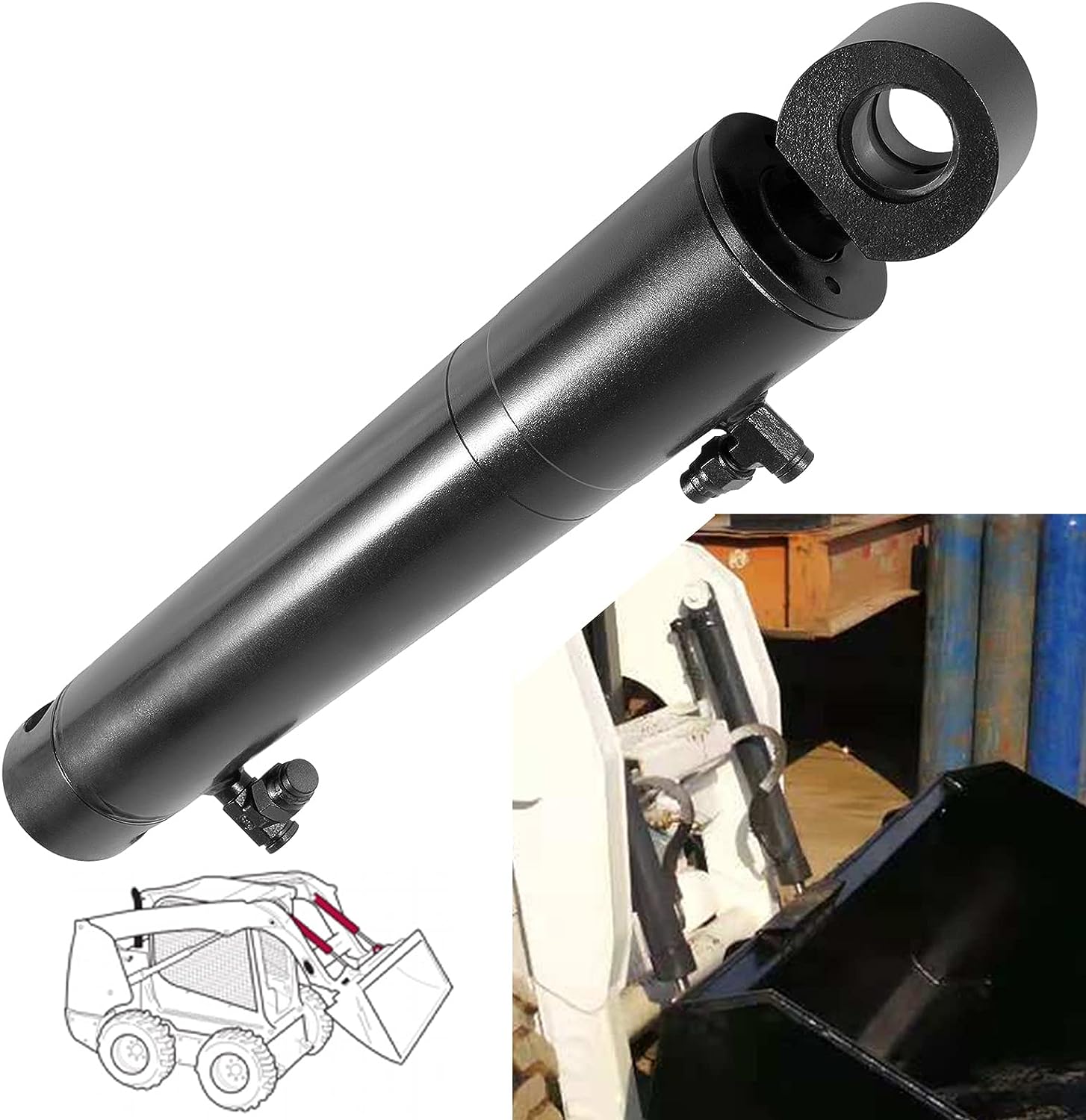
How does a tilt cylinder handle variations in hydraulic pressure and flow rate?
A tilt cylinder is designed to handle variations in hydraulic pressure and flow rate effectively. It incorporates specific features and mechanisms that allow it to operate reliably under different hydraulic conditions. Here’s a detailed explanation:
- Pressure Compensation: Tilt cylinders are equipped with pressure compensation mechanisms to handle variations in hydraulic pressure. These mechanisms ensure that the cylinder can function properly even when the hydraulic system experiences fluctuations in pressure. The pressure compensation feature allows the cylinder to maintain consistent force and performance, regardless of the changes in hydraulic pressure.
- Flow Control: Tilt cylinders are designed to accommodate variations in hydraulic flow rate. They have internal passages and ports that allow the hydraulic fluid to flow into and out of the cylinder. The cylinder’s design ensures that it can handle different flow rates without compromising its functionality. Whether the hydraulic flow rate is high or low, the tilt cylinder can adjust accordingly and provide the necessary force and control for load manipulation.
- Sealing Mechanisms: Tilt cylinders incorporate sealing mechanisms to prevent leakage and maintain hydraulic integrity. These seals are designed to withstand variations in pressure and flow rate, ensuring that the hydraulic fluid remains contained within the cylinder. The seals also help maintain the required pressure within the cylinder, allowing it to operate efficiently and effectively, regardless of the hydraulic conditions.
- Internal Design: The internal design of a tilt cylinder takes into account variations in hydraulic pressure and flow rate. The cylinder’s internal components, such as piston, rod, and cylinder barrel, are engineered to withstand different hydraulic conditions. They are designed to handle the forces exerted by varying pressure and flow rates, ensuring smooth operation and longevity of the cylinder.
- Hydraulic System Compatibility: Tilt cylinders are designed to be compatible with the hydraulic systems of the equipment they are installed in. Manufacturers ensure that the cylinders can handle the expected pressure and flow rate ranges of the hydraulic system. This compatibility allows for seamless integration and optimal performance, even when there are variations in hydraulic conditions.
- Quality Control and Testing: Tilt cylinders undergo rigorous quality control measures and testing during the manufacturing process. These measures ensure that the cylinders can handle variations in hydraulic pressure and flow rate within specified tolerances. Manufacturers test the cylinders under different hydraulic conditions to verify their performance, reliability, and ability to handle variations in pressure and flow.
By incorporating pressure compensation mechanisms, flow control features, sealing mechanisms, robust internal design, hydraulic system compatibility, and thorough quality control, tilt cylinders are capable of handling variations in hydraulic pressure and flow rate. These cylinders provide reliable and consistent performance, regardless of the hydraulic conditions, ensuring smooth and efficient operation in material handling and construction equipment.
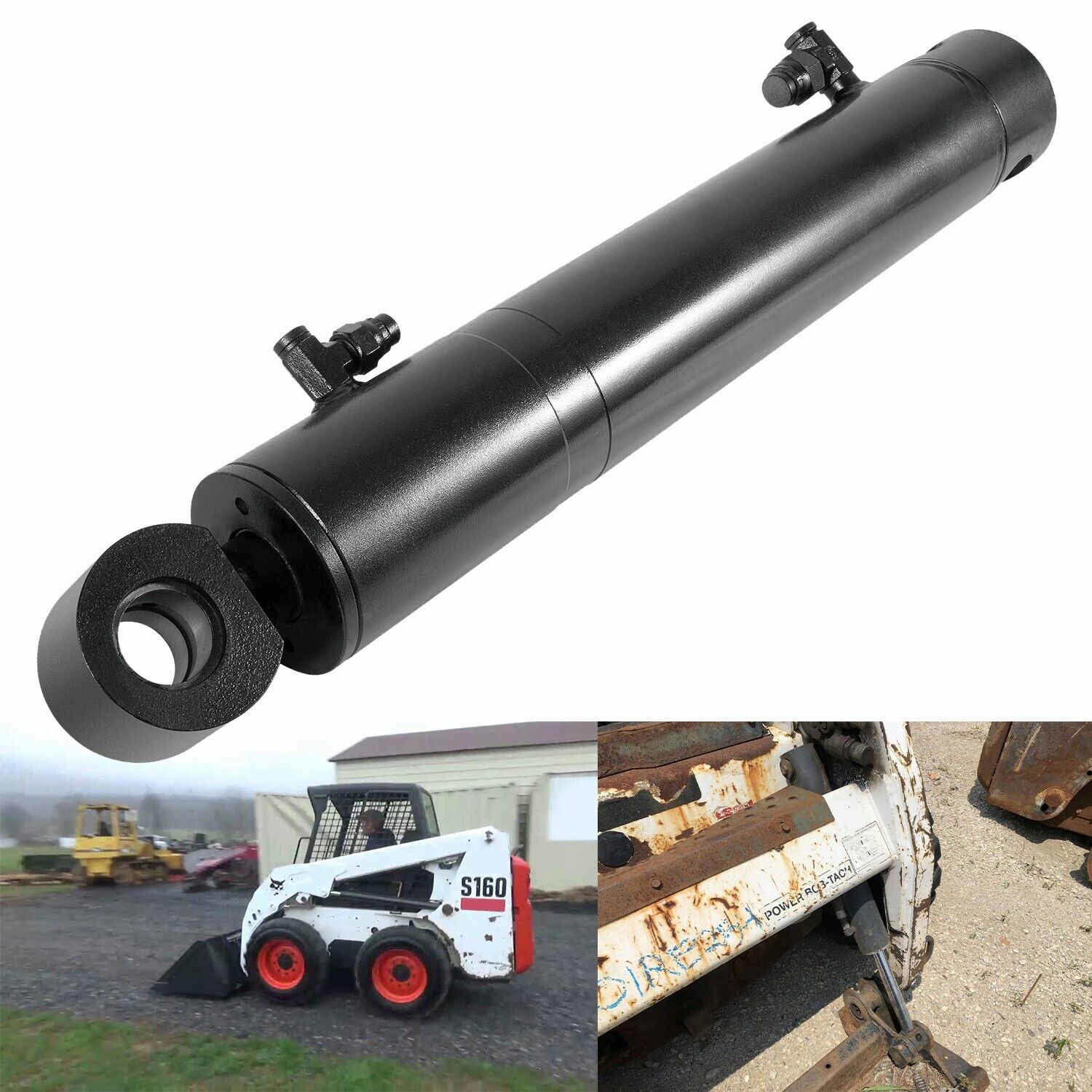
What are the safety considerations when using machinery equipped with tilt cylinders?
When using machinery equipped with tilt cylinders, several safety considerations should be taken into account to ensure the well-being of operators, bystanders, and the overall work environment. Here are the key safety considerations:
- Operator Training: Proper training is essential for operators who will be working with machinery equipped with tilt cylinders. Operators should receive comprehensive training on the safe operation of the equipment, including understanding the controls, precautions, and potential hazards associated with tilt cylinder usage. Training helps operators develop the necessary skills and knowledge to operate the machinery safely.
- Safe Operating Procedures: Establishing and following safe operating procedures is crucial for minimizing risks when using machinery with tilt cylinders. Standard operating procedures should outline the correct sequence of operations, safety checks, and precautions to be taken before, during, and after using the equipment. Operators should adhere to these procedures to ensure safe and consistent operation.
- Inspection and Maintenance: Regular inspection and maintenance of the tilt cylinders and associated equipment components are essential for safety. This includes checking for leaks, damage, loose connections, or excessive wear. Any identified issues should be promptly addressed through maintenance or repairs to prevent potential malfunctions or accidents during operation.
- Load Capacity and Stability: Tilt cylinders have specific load capacity limits, and exceeding these limits can compromise safety. Operators should be aware of the equipment’s load capacity and ensure that the loads being lifted or tilted fall within the specified limits. Additionally, attention should be given to maintaining the stability of the machinery during tilting operations, considering factors such as uneven terrain or shifting loads.
- Proper Use of Safety Devices: Machinery equipped with tilt cylinders may have additional safety devices such as safety locks, sensors, or audible alarms. Operators should use these safety devices as intended and ensure they are in good working condition. For example, safety locks should be engaged when the equipment is stationary to prevent unintended tilting.
- Clear Communication and Signaling: Clear communication among operators, signalers, and other personnel is vital for ensuring safety during tilt cylinder operations. Hand signals or radio communication should be used effectively to convey instructions and warnings. Adequate signaling and communication protocols should be established and followed to avoid misunderstandings or accidents.
- Personal Protective Equipment (PPE): Operators and personnel working with machinery equipped with tilt cylinders should wear appropriate personal protective equipment, including safety helmets, protective eyewear, gloves, and high-visibility clothing. PPE helps minimize the risk of injury from potential hazards, such as falling objects, debris, or hydraulic fluid leaks.
By considering these safety aspects and implementing appropriate measures, the risks associated with using machinery equipped with tilt cylinders can be mitigated. Prioritizing safety promotes a secure working environment, reduces accidents, and protects the well-being of everyone involved in the operation.
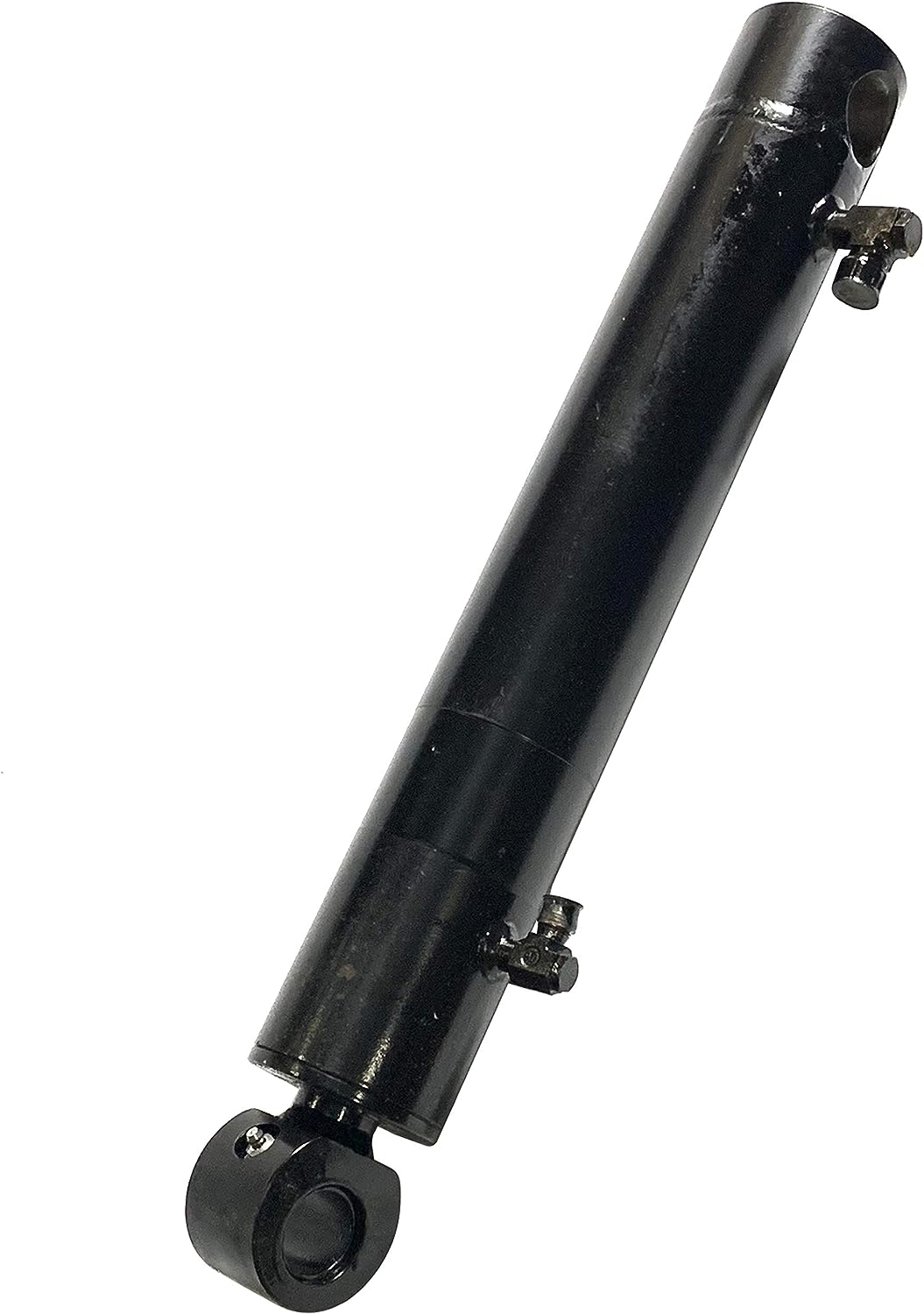
Can you explain the role of hydraulic fluid in a tilt cylinder?
Hydraulic fluid plays a crucial role in the operation of a tilt cylinder. It is an essential medium that enables the transfer of force and controls the movement of the cylinder. Here’s a detailed explanation of the role of hydraulic fluid in a tilt cylinder:
- Force Transmission: Hydraulic fluid is used to transmit force from the hydraulic system to the tilt cylinder. The hydraulic system pressurizes the fluid, creating hydraulic pressure that acts on the surface of the piston. This pressure imbalance generates a force that moves the piston and, in turn, extends or retracts the rod of the tilt cylinder. The force transmitted through the hydraulic fluid allows for controlled tilting of the attached component in heavy machinery.
- Flow Control: Hydraulic fluid is responsible for controlling the flow of force within the tilt cylinder. The hydraulic system uses control valves to regulate the flow and direction of the fluid. By adjusting the position of the control valves, the operator can control the speed, direction, and extent of the tilting movement. This flow control mechanism enables precise positioning and adjustment of the tilted component according to the specific task requirements.
- Pressure Regulation: Hydraulic fluid also allows for the regulation of pressure within the tilt cylinder. The hydraulic system incorporates pressure regulators or relief valves to maintain the desired pressure levels. These valves ensure that the hydraulic fluid pressure remains within the safe operating range, preventing excessive pressure buildup that could damage the cylinder or other components. Pressure regulation contributes to the safe and efficient operation of the tilt cylinder.
- Lubrication and Cooling: Hydraulic fluid serves as a lubricant within the tilt cylinder, reducing friction between moving components. This lubrication minimizes wear and tear, extending the lifespan of the cylinder. Additionally, the hydraulic fluid absorbs and dissipates heat generated during operation, acting as a coolant. Effective lubrication and cooling contribute to the overall performance and durability of the tilt cylinder.
- Sealing and Contamination Prevention: Hydraulic fluid helps maintain the integrity of the tilt cylinder’s hydraulic seals. The fluid creates a seal between the piston and cylinder wall, preventing hydraulic fluid leakage. It also acts as a barrier, preventing contaminants such as dirt, debris, or moisture from entering the cylinder and potentially causing damage. This sealing and contamination prevention function ensures the proper functioning and longevity of the tilt cylinder.
In summary, hydraulic fluid plays a multifaceted role in a tilt cylinder. It transmits force, controls the flow and pressure, provides lubrication and cooling, seals the cylinder, and prevents contamination. By utilizing hydraulic fluid effectively, the tilt cylinder enables controlled tilting of components in heavy machinery, ensuring precise operation, and enhancing the performance and reliability of the equipment.


editor by CX 2023-11-27