Өнім сипаттамасы
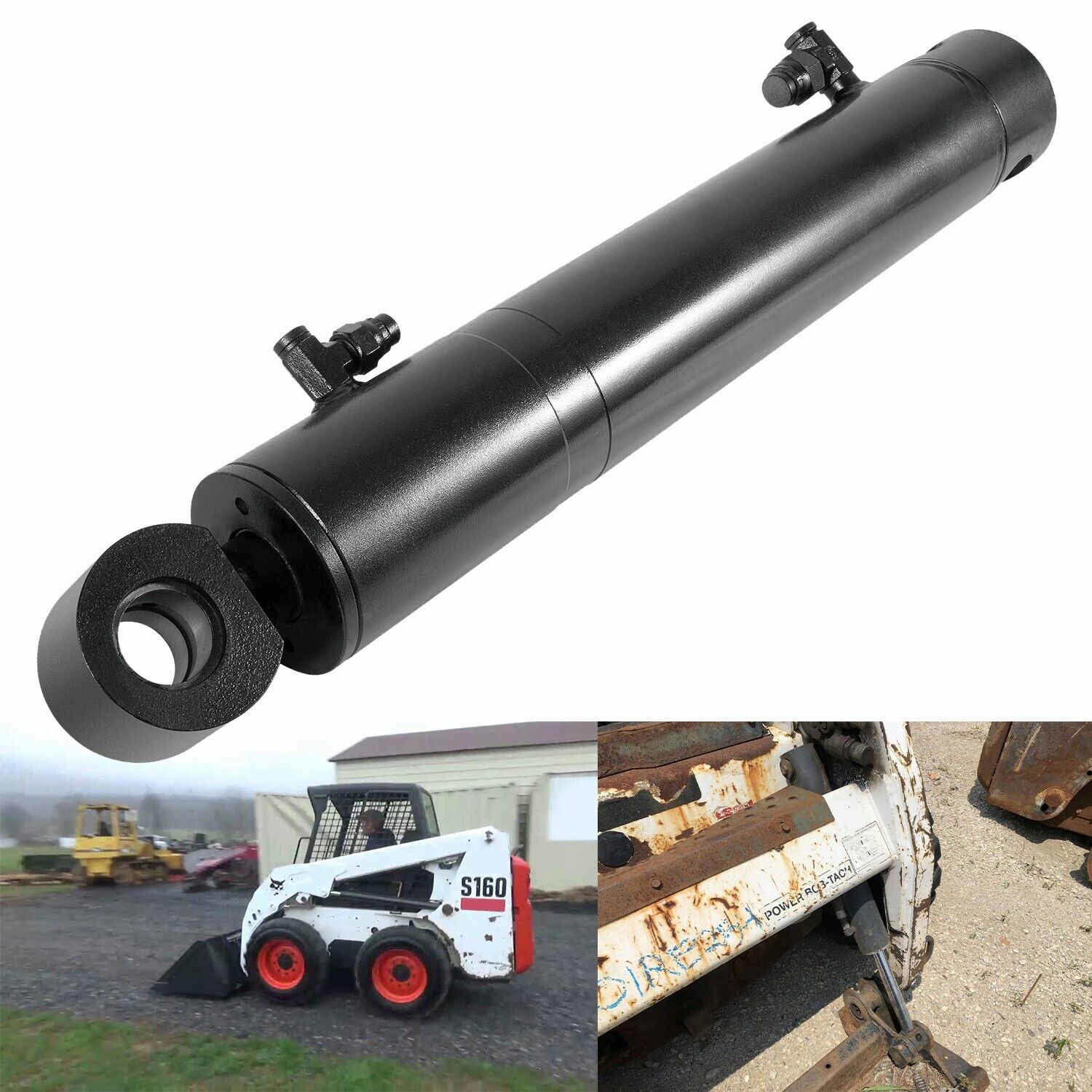
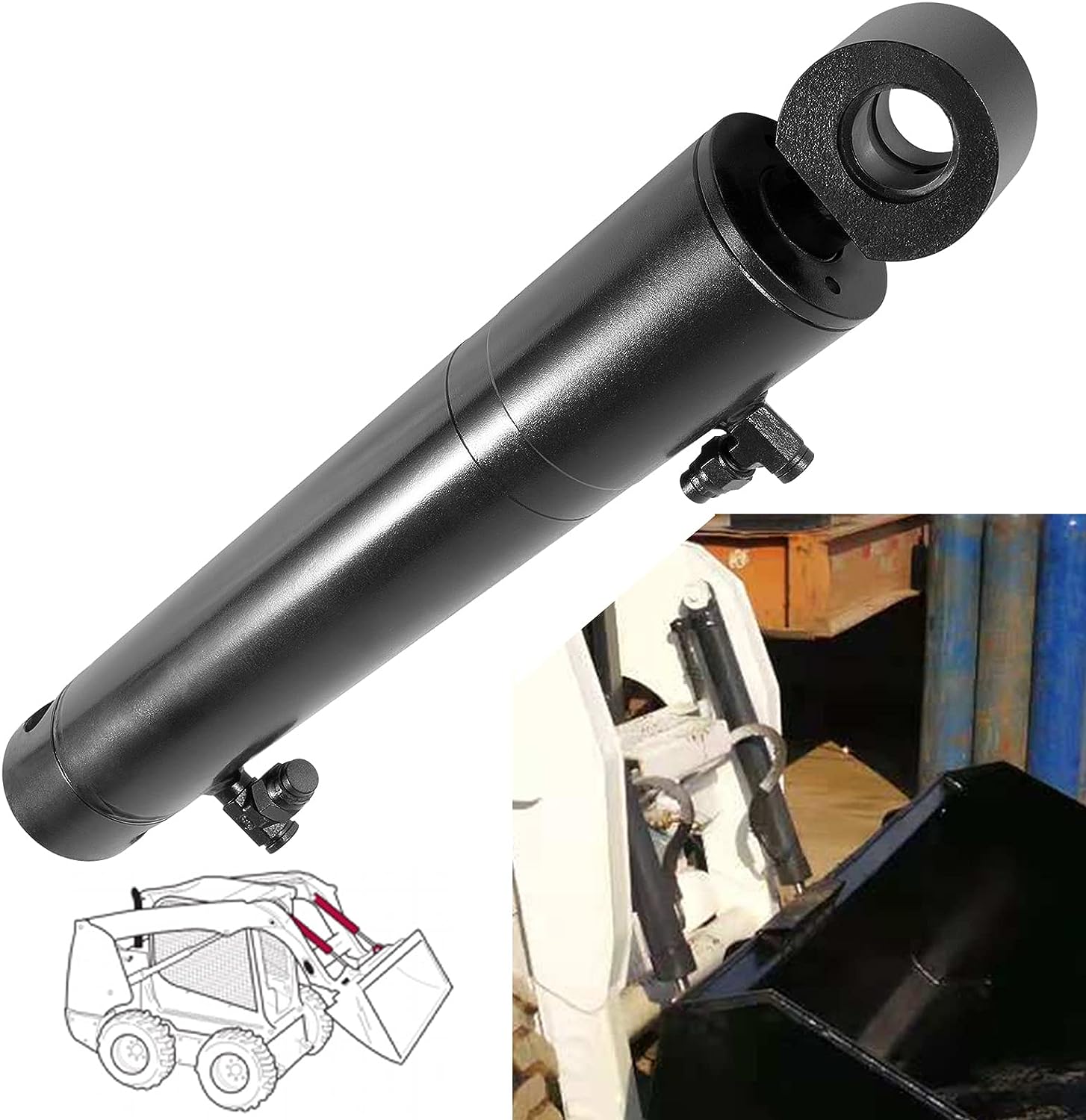
Exquisite Structure 18.1MPa Forklift hydraulic Tilt Cylinder 12kg for sale
The tilt cylinder is a hydraulic component used in various applications, including construction equipment, agricultural machinery, and material handling equipment like forklifts. It is responsible for controlling the tilting motion of a hydraulic system, typically a mast or boom, allowing for the adjustment of angles and positions. Tilt cylinders are crucial components that enable precise control and positioning in various hydraulic systems. Their ability to adjust angles and positions contributes to the versatility and efficiency of equipment in numerous industries and applications.
| bore diameter (D) | rod diameter (d) | stroke (S) | Installation distance (L) | working pressure | Interface dimensions (M) | weight |
| Φ70 | Φ30 | 156 | 453 | 18.1MPa | 2-G1/4 | 12kg |
(1) Our company can customize non-standard oil cylinders within the range of cylinder diameter D360MM and stroke L6000MM according to customer requirements;
(2) The above product prices are nontax unit prices, excluding packaging and transportation costs required for the export
Tilt Cylinder for Forklift
Function: The primary function of the tilt cylinder in a forklift is to control the tilting movement of the mast and forks. It enables the operator to tilt the forks CHINAMFG or backward, allowing for lifting, transporting, and depositing loads with precision and stability.
Hydraulic Power: The forklift’s hydraulic system powers the tilt cylinder. It is connected to hydraulic lines that supply hydraulic fluid under pressure. When the operator activates the tilt control lever, hydraulic fluid is directed to the tilt cylinder, causing it to extend or retract and initiate the tilting motion.
Construction: Forklift tilt cylinders are typically double-acting hydraulic cylinders. They consist of a cylindrical barrel, a piston rod, and seals to prevent fluid leakage. The cylinder is mounted on the forklift’s mast and connected to the carriage or tilting mechanism. The piston rod extends and retracts within the cylinder barrel, allowing the mast and forks to tilt.
Control: The operator controls the tilt cylinder using a control lever or joystick located in the forklift’s operator compartment. By manipulating the control lever, the operator can activate the hydraulic system to extend or retract the tilt cylinder, thereby adjusting the tilt angle of the forks. Many forklifts also feature additional controls for fine-tuning the tilt movement and achieving precise load positioning.
Safety Features: Forklifts are equipped with safety features related to the tilt cylinder operation. These may include tilt speed control, load backrests, and tilt lock mechanisms to prevent unintentional tilting or ensure the forks remain fixed during transport.
Maintenance: Regular maintenance and inspection of the tilt cylinder are essential to ensure its proper functioning. This includes checking for leaks, verifying the condition of seals, and maintaining the hydraulic fluid at the recommended level and quality. Any signs of damage or malfunction should be addressed promptly to prevent equipment downtime and ensure safe operation.
How to Select a Tilt Cylinder?
When selecting a tilt cylinder for a specific application, it is essential to consider several factors to ensure compatibility and optimal performance. Here are some key factors to consider when selecting a tilt cylinder:
1. Forklift Model and Manufacturer: Start by identifying the make and model of the forklift for which you need a tilt cylinder. Different forklift manufacturers may have specific tilt cylinder specifications and compatibility requirements. Consult the forklift’s manual or contact the manufacturer for guidance on your model’s recommended tilt cylinder specifications.
2. Load Capacity: Determine your forklift’s maximum load capacity requirements. The tilt cylinder should be able to handle the weight of the loads you typically take. Consider the static and dynamic loads the tilt cylinder will be subjected to during operation. Ensure that the selected tilt cylinder has an adequate load capacity to handle the loads safely and efficiently.
3. Tilt Angle Range: Evaluate your application’s required tilt angle range. Different forklifts may have varying tilt angle capabilities. Ensure the selected tilt cylinder can achieve the desired angles to accommodate your specific operational needs.
4. Mounting Configuration: Consider the mounting configuration of the tilt cylinder. Forklifts may have different mounting styles or attachment points for tilt cylinders. Ensure that the selected tilt cylinder is compatible with the mounting configuration of your forklift. This includes considering the mounting bolt pattern, attachment points, and dimensions.
5. Hydraulic System Compatibility: Assess the hydraulic system requirements of your forklift. Consider factors such as hydraulic flow rate, pressure rating, and compatibility with the existing hydraulic system. The selected tilt cylinder should be compatible with the hydraulic system of your forklift to ensure proper operation and performance.
6. Quality and Reliability: Choose a tilt cylinder from a reputable manufacturer of high-quality hydraulic components. A reliable tilt cylinder will offer durability, long service life, and consistent performance, reducing the risk of downtime and maintenance issues.
7. Safety Features: Consider any additional safety features or considerations required for your application. Some tilt cylinders may incorporate safety features such as load backrests, speed control, or tilt lock mechanisms. Assess whether these features are necessary for your application and ensure the selected tilt cylinder meets the required safety standards.
8. Consultation and Expert Advice: If you are uncertain about the selection process or specific requirements, it is advisable to consult with a qualified forklift technician, dealer, or tilt cylinder manufacturer. They can provide guidance based on their expertise and experience, helping you select the most suitable tilt cylinder for your application.
By considering these factors and consulting relevant resources, you can select a tilt cylinder compatible with your forklift model, meets the load capacity and tilt angle requirements, and ensures safe and efficient operation.
Our Company
We have a first-class independent R&D platform for assembly. The forklift cylinder production workshop has 4 semi-automatic lifting cylinder assembly lines and 1 fully automatic tilting cylinder assembly line, with a designed annual production capacity of 1 million pieces; the special cylinder workshop is equipped with semi-automatic cleaning and assembly systems of various specifications, with a designed annual production capacity of 200,000 essays. It has famous CNC machining equipment, machining centers, special equipment for high-precision cylinder processing, robot welding machines, automatic cleaning machines, automatic cylinder assembly machines, and automatic paint production lines. We have more than 300 sets of critical equipment running. The optimized allocation and efficient utilization of equipment resources ensure the precision requirements of the products and meet the high standard quality requirements of the products.
Forklift cylinder assembly shop | Other types of cylinder assembly shop |
Welding
Painting & coating
Painting & coating line | Fully automatic water-based |
Testing
To further improve product performance, and establish the leadership position of our hydraulic cylinder in the industry, our company and zjimee jointly established a Comprehensive performance laboratory of hydraulic cylinders, hydraulic valves, and hydraulic pumps; the lab is computer-assisted testing, using electro-hydraulic control technology, the test conditions preset by computer, which improves the test accuracy and system versatility, and the experimental data.
The automatic collection is realized through the application of sensors, and the output data, such as the internal leakage and load efficiency of the cylinder or the valve, are directly processed by the
computer and converted to standard units (ml/min; %). At the same time, to ensure the working safety of the hydraulic system, the state monitoring function is carried out for key performance parameters, such as “oil temperature monitoring, liquid level monitoring, filter device monitoring,” etc. Among them, the hydraulic cylinder test stand can test the performance of “load efficiency” and “internal leakage” by readings. At the same time, it is equipped with a grating ruler measuring instrument, which meets the requirements of all test items of hydraulic cylinder products in the national standard
Our Factory
Packaging & Shipping
/* 2571 жылғы 10 наурыз, сағат 17:59:20 */!function(){function s(e,r){var a,o={};try{e&&e.split(“,”).forEach(function(e,t){e&&(a=e.match(/(.*?):(.*)$/))&&1
| Сертификаттау: | GS, RoHS, CE, ISO9001 |
|---|---|
| Қысым: | Орташа қысым |
| Жұмыс температурасы: | Қалыпты температура |
| Актерлік тәсіл: | Қос әсерлі |
| Жұмыс әдісі: | Rotary |
| Түзетілген форма: | Реттелетін түрі |
Еңкейтілген цилиндр жабдықтың дәл орналасуына қалай ықпал етеді?
Еңкейту цилиндрі жабдықтың дәл орналасуына қол жеткізуде маңызды рөл атқарады. Ол жабдықтың еңкейту бұрышын реттеу үшін қажетті күш пен басқаруды қамтамасыз етеді, бұл операторларға оны әртүрлі тапсырмалар үшін дәл орналастыруға мүмкіндік береді. Міне, егжей-тегжейлі түсініктеме:
- Көлбеу бұрышын реттеу: Көлбеу цилиндр операторларға жабдықтың көлбеу бұрышын реттеуге мүмкіндік береді. Цилиндрді іске қосу арқылы олар жабдықты алға немесе артқа еңкейте алады, бұл дәл орналасуды жеңілдетеді. Көлбеу бұрышын дәл реттеу мүмкіндігі операторларға жабдықты нақты нысандармен немесе жұмыс аймақтарымен туралауға мүмкіндік береді, бұл оңтайлы дәлдік пен тиімділікті қамтамасыз етеді.
- Жүктемені бөлу: Жүктемені дұрыс бөлуді қамтамасыз ету үшін жабдықты дәл орналастыру өте маңызды. Еңкейтілген цилиндр операторларға жүктемені жабдық бойынша біркелкі тарату үшін еңкейту бұрышын реттеуге мүмкіндік береді. Бұл әсіресе біркелкі емес немесе теңгерімсіз жүктемелерді өңдеу кезінде маңызды. Еңкейтілген цилиндрді басқару арқылы дәл орналастыруға қол жеткізу арқылы операторлар жүктемені бөлуді оңтайландыра алады, жабдыққа түсетін жүктемені азайта алады және жұмыс кезінде тұрақтылықты арттыра алады.
- Контурды бейімдеу: Жерді тегістеу немесе топырақты қазу сияқты кейбір қолданбаларда жер бедерінің контурларына бейімделу үшін жабдықты дәл орналастыру қажет. Еңкейту цилиндрі операторларға жабдықтың еңкейту бұрышын жердің көлбеуіне немесе пішініне сәйкестендіруге мүмкіндік береді. Бұл контурды бейімдеу мүмкіндігі бетімен тұрақты жанасуды қамтамасыз етеді, біркелкі тегістеуді немесе қазуды жеңілдетеді және қажетті нәтижелерге дәлдікпен қол жеткізеді.
- Биіктікті реттеу: Кейбір еңкейту цилиндрлері еңкейту бұрышын реттеумен қатар биіктікті реттеуге де мүмкіндік береді. Операторлар цилиндрді созу немесе тарту арқылы жабдықтың орнын көтере немесе төмендете алады. Бұл биіктікті реттеу мүмкіндігі дәл орналасуды одан әрі жақсартады, бұл операторларға жабдықты белгілі бір тапсырмалар немесе жұмыс жағдайлары үшін қажетті биіктікте туралауға мүмкіндік береді.
- Басқару жүйелерімен интеграция: Еңкейткіш цилиндрлерді заманауи жабдықтардағы озық басқару жүйелерімен біріктіруге болады. Бұл басқару жүйелеріне еңкейту бұрышын дәл және автоматтандырылған реттеуге мүмкіндік беретін электрондық немесе гидравликалық басқару элементтері кіруі мүмкін. Мұндай жүйелерді пайдалану арқылы операторлар жабдықты жоғары дәлдікпен және біркелкі орналастыруға қол жеткізе алады, бұл адами қателіктерді азайтады және жалпы өнімділікті жақсартады.
- Оператордың кері байланысы: Сенсорлармен немесе кері байланыс механизмдерімен жабдықталған еңкейту цилиндрлері операторларға жабдықтың еңкейту бұрышы туралы нақты уақыт режимінде ақпарат бере алады. Бұл кері байланыс операторларға дәл түзетулер енгізуге және дәл орналасуды қамтамасыз етуге мүмкіндік береді. Еңкейту бұрышын үздіксіз бақылау арқылы операторлар жұмыс кезінде қажетті позицияны сақтай алады және қажет болған жағдайда қажетті түзетулер енгізе алады.
Сондықтан, еңкейту цилиндрі еңкейту бұрышын реттеуге, жүктемені бөлуді оңтайландыруға, контурды бейімдеуге, биіктікті реттеуге, басқару жүйелерімен интеграциялауға және оператордың кері байланысына мүмкіндік беру арқылы жабдықты дәл орналастыруға айтарлықтай үлес қосады. Бұл мүмкіндіктер құрылыс, материалдарды өңдеу, ауыл шаруашылығы және басқа да салаларды қоса алғанда, әртүрлі салалардағы жабдықтардың дәлдігін, тиімділігін және әмбебаптығын арттырады.
What are the safety considerations when using machinery equipped with tilt cylinders?
When using machinery equipped with tilt cylinders, several safety considerations should be taken into account to ensure the well-being of operators, bystanders, and the overall work environment. Here are the key safety considerations:
- Operator Training: Proper training is essential for operators who will be working with machinery equipped with tilt cylinders. Operators should receive comprehensive training on the safe operation of the equipment, including understanding the controls, precautions, and potential hazards associated with tilt cylinder usage. Training helps operators develop the necessary skills and knowledge to operate the machinery safely.
- Safe Operating Procedures: Establishing and following safe operating procedures is crucial for minimizing risks when using machinery with tilt cylinders. Standard operating procedures should outline the correct sequence of operations, safety checks, and precautions to be taken before, during, and after using the equipment. Operators should adhere to these procedures to ensure safe and consistent operation.
- Inspection and Maintenance: Regular inspection and maintenance of the tilt cylinders and associated equipment components are essential for safety. This includes checking for leaks, damage, loose connections, or excessive wear. Any identified issues should be promptly addressed through maintenance or repairs to prevent potential malfunctions or accidents during operation.
- Load Capacity and Stability: Tilt cylinders have specific load capacity limits, and exceeding these limits can compromise safety. Operators should be aware of the equipment’s load capacity and ensure that the loads being lifted or tilted fall within the specified limits. Additionally, attention should be given to maintaining the stability of the machinery during tilting operations, considering factors such as uneven terrain or shifting loads.
- Proper Use of Safety Devices: Machinery equipped with tilt cylinders may have additional safety devices such as safety locks, sensors, or audible alarms. Operators should use these safety devices as intended and ensure they are in good working condition. For example, safety locks should be engaged when the equipment is stationary to prevent unintended tilting.
- Clear Communication and Signaling: Clear communication among operators, signalers, and other personnel is vital for ensuring safety during tilt cylinder operations. Hand signals or radio communication should be used effectively to convey instructions and warnings. Adequate signaling and communication protocols should be established and followed to avoid misunderstandings or accidents.
- Personal Protective Equipment (PPE): Operators and personnel working with machinery equipped with tilt cylinders should wear appropriate personal protective equipment, including safety helmets, protective eyewear, gloves, and high-visibility clothing. PPE helps minimize the risk of injury from potential hazards, such as falling objects, debris, or hydraulic fluid leaks.
By considering these safety aspects and implementing appropriate measures, the risks associated with using machinery equipped with tilt cylinders can be mitigated. Prioritizing safety promotes a secure working environment, reduces accidents, and protects the well-being of everyone involved in the operation.
How does a tilt cylinder contribute to precise equipment tilt control?
A tilt cylinder plays a crucial role in achieving precise equipment tilt control. It provides the necessary force and control mechanisms to enable controlled and accurate tilting movements. Here’s a detailed explanation of how a tilt cylinder contributes to precise equipment tilt control:
- Force Generation: A tilt cylinder is a hydraulic component that generates the force required to tilt or angle the equipment. It consists of a cylinder housing, piston, and rod assembly. When hydraulic pressure is applied to the cylinder, the piston moves, exerting force on the attached component. The force generated by the tilt cylinder allows for precise and controlled tilting of the equipment.
- Controlled Fluid Flow: Tilt cylinders utilize hydraulic fluid to transmit force and control the tilting movement. The flow of hydraulic fluid is regulated by control valves, which allow operators to control the speed, extent, and direction of the tilt. By adjusting the control valves, operators can achieve precise control over the fluid flow, enabling accurate and controlled tilting of the equipment.
- Range of Motion: Tilt cylinders provide a specific range of motion, allowing for controlled tilting within that range. The range of motion is determined by the design and construction of the cylinder, as well as the attachment points on the equipment. The defined range enables operators to tilt the equipment to the desired angle with precision, ensuring precise control over the tilt position.
- Feedback Mechanisms: Some tilt cylinders incorporate feedback mechanisms such as limit switches or sensors. These mechanisms provide real-time feedback on the position and angle of the tilted component. By monitoring the feedback, operators can precisely adjust the tilt cylinder to achieve the desired tilt angle. This feedback loop enhances the precision of equipment tilt control.
- Operator Input: Tilt cylinders are typically operated by equipment operators who have control over the hydraulic system. Operators can manipulate the control levers or buttons to adjust the hydraulic pressure and flow, thereby controlling the tilt cylinder’s movement. The operator’s skill and experience in operating the tilt cylinder contribute to achieving precise equipment tilt control.
By combining the force generation capabilities, controlled fluid flow, defined range of motion, feedback mechanisms, and operator input, a tilt cylinder enables precise control over the equipment’s tilt. This precision is essential for applications where accurate tilting is required, such as in construction, mining, agriculture, and material handling. The ability to achieve precise equipment tilt control enhances operational efficiency, productivity, and safety in various industries.


CX редакторы 2024-02-09