Өнім сипаттамасы
Өнім сипаттамасы
Single-acting sleeve cylinder is a single-acting sleeve type hydraulic cylinder, which can be used for rear unloading dump truck, two-way dump truck, three-way dump truck, also can be used for agricultural trailers, can replace the surrounding hydraulic lifting mechanism, so as to make the structure simple and easy to maintain.
| rear unloading dump truck |
| two-way dump truck |
| hree-way dump truck |
Компания профилі
Certifications
Packaging & Shipping
Жиі қойылатын сұрақтар
Q1: Can your cylinders with HYVA ones ?
Yes, our cylinders can replace HYVA ones well, with same technical details and mounting sizes
Q2: What’s your cylinder’s advantages ?
The cylinders are made under strictly quality control processing.
All the raw materials and seals we used are all from world famous companies.
Cost effective
Q3: When your company be established ?
Our company be established in 1996, and we are professional for hydraulic cylinders for more than 25 years.
And we had passed IATF 16949:2016 Quality control system.
Q4: How about the delivery time ?
For samples about 20 days. And 15 to 30 days about mass orders.
Q5: How about the cylinder’s quality gurantee ?
We have 1 year quality grantee of the cylinders.
| Сертификаттау: | ISO9001, IATF 16949:2016 |
|---|---|
| Қысым: | High Pressure |
| Жұмыс температурасы: | Қалыпты температура |
| Актерлік тәсіл: | Қос әсерлі |
| Жұмыс әдісі: | Тікелей сапар |
| Түзетілген форма: | Реттелетін түрі |
| Үлгілер: | US$ 1000 дана/дана 1 дана (ең аз тапсырыс) | |
|---|
| Теңшеу: | Қолжетімді |
|
|---|
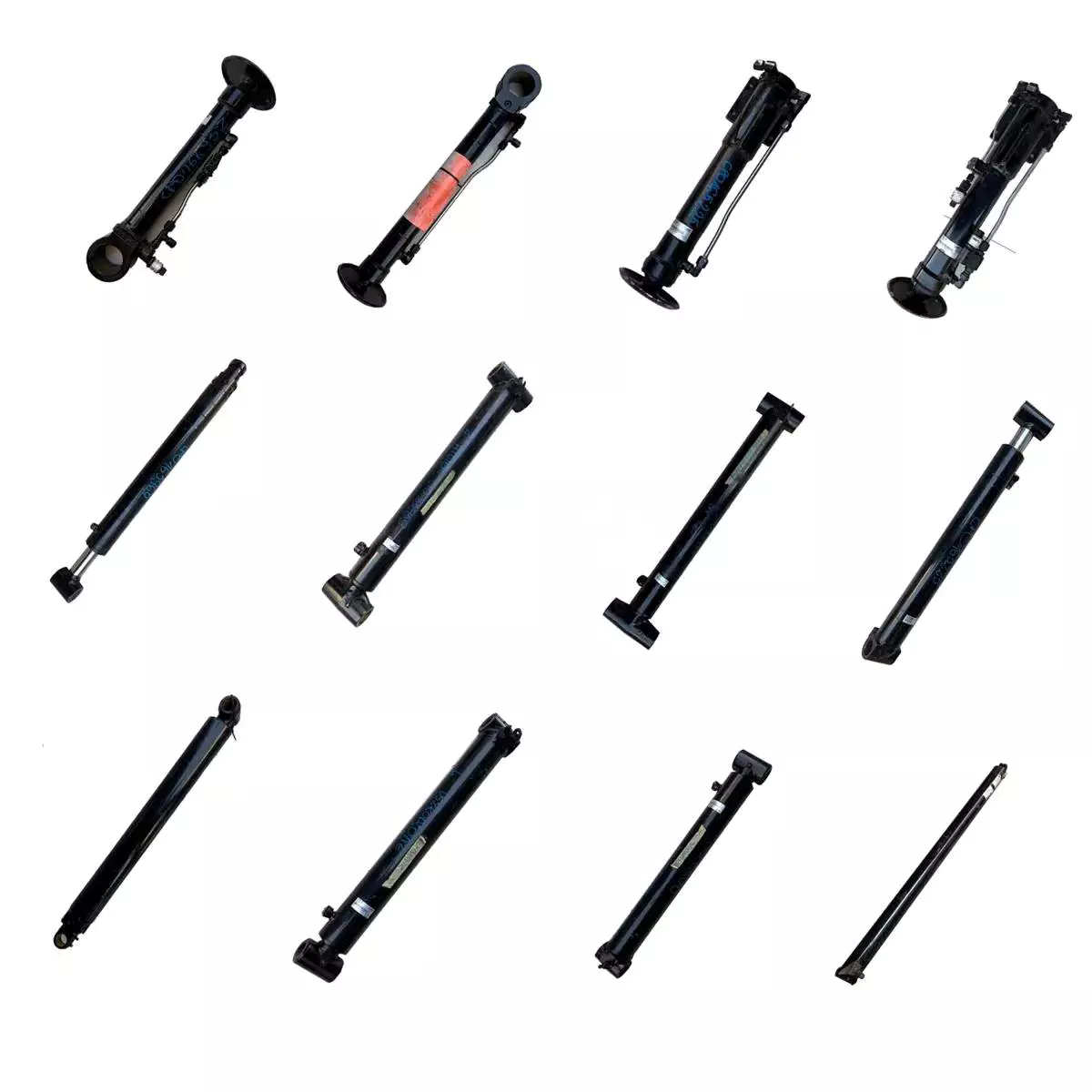
Гидравликалық цилиндрлер дәл орналастыру және басқару қиындықтарын қалай шешеді?
Гидравликалық цилиндрлер инженерлік принциптер мен озық басқару жүйелерінің үйлесімімен дәл орналастыру және басқару қиындықтарын шешуге арналған. Бұл қиындықтар көбінесе өнеркәсіптік автоматтандыру, құрылыс және материалдарды өңдеу сияқты дәл және бақыланатын қозғалыстар қажет болатын қолданбаларда туындайды. Гидравликалық цилиндрлердің бұл қиындықтарды қалай жеңетіні туралы егжей-тегжейлі түсініктеме берілген:
1. Сұйықтық қуатын басқару:
– Гидравликалық цилиндрлер дәл орналастыру және басқару үшін сұйықтық қуатын басқаруды пайдаланады. Гидравликалық жүйе гидравликалық сорғыдан, басқару клапандарынан және гидравликалық сұйықтықтан тұрады. Гидравликалық сұйықтықтың цилиндрге және одан шығу ағынын реттеу арқылы операторлар цилиндрдің жылдамдығын, бағытын және күшін басқара алады. Сұйықтық қуатын басқару гидравликалық цилиндр мен бекітілген жүктемені дәл орналастыруға мүмкіндік беретін тегіс және дәл қозғалыстарды қамтамасыз етеді.
2. Басқару клапандары:
– Басқару клапандары дәл орналастыру және басқару қиындықтарын шешуде маңызды рөл атқарады. Бұл клапандар жүйедегі гидравликалық сұйықтық ағынын басқаруға жауапты. Оларды қолмен немесе электронды түрде басқаруға болады. Басқару клапандары операторларға гидравликалық сұйықтықтың ағын жылдамдығын реттеуге, цилиндрдің қозғалыс жылдамдығын басқаруға мүмкіндік береді. Ағынды модуляциялау арқылы операторлар гидравликалық цилиндрдің орналасуын дәл бақылауға қол жеткізе алады, бұл дәл және дәл қозғалыстарды қамтамасыз етеді.
3. Пропорционалды бақылау:
– Гидравликалық цилиндрлер пропорционалды басқару жүйелерімен жабдықталуы мүмкін, бұл орналастыру мен басқарудың дәлдігін арттырады. Пропорционалды басқару жүйелері гидравликалық сұйықтықтың ағыны мен қысымын дәл реттеу үшін электрондық кері байланыс және басқару алгоритмдерін пайдаланады. Бұл жүйелер гидравликалық цилиндрдің қозғалысын дәл және пропорционалды басқаруды қамтамасыз етеді, бұл оның жүріс ұзындығы бойынша әртүрлі нүктелерде дәл орналастыруға мүмкіндік береді. Пропорционалды басқару цилиндрдің дәл қозғалыстар мен басқаруды қажет ететін күрделі тапсырмаларды орындау қабілетін арттырады.
4. Орналасу туралы кері байланыс сенсорлары:
– Дәл позициялауға қол жеткізу үшін гидравликалық цилиндрлер көбінесе позициялық кері байланыс сенсорларын қамтиды. Бұл сенсорлар цилиндрдің поршеньдік штангасының орналасуы туралы нақты уақыт режимінде ақпарат береді. Позициялық кері байланыс сенсорларының кең таралған түрлеріне потенциометрлер, сызықтық айнымалы дифференциалды трансформаторлар (LVDT) және магнитостриктивті сенсорлар жатады. Позицияны үздіксіз бақылау арқылы кері байланыс сенсорлары тұйық циклді басқаруды қамтамасыз етеді, бұл гидравликалық цилиндрді дәл позициялауға және басқаруға мүмкіндік береді. Кері байланыс ақпараты қажетті позицияға дәл жету үшін гидравликалық сұйықтық ағынын реттеу үшін қолданылады.
5. Серво басқару жүйелері:
– Жетілдірілген гидравликалық жүйелер дәл позициялау және басқару қиындықтарын шешу үшін серво басқару жүйелерін пайдаланады. Серво басқару жүйелері жоғары дәлдік пен жауап беру деңгейіне жету үшін электрондық басқаруды, позициялық кері байланыс сенсорларын және пропорционалды басқару клапандарын біріктіреді. Серво басқару жүйесі қажетті позицияны гидравликалық цилиндрдің нақты позициясымен үздіксіз салыстырады және кез келген позициялық қатені азайту үшін гидравликалық сұйықтық ағынын реттейді. Бұл тұйық циклді басқару механизмі гидравликалық цилиндрге әртүрлі жүктемелер немесе сыртқы кедергілер кезінде де дәл позициялау мен басқаруды сақтауға мүмкіндік береді.
6. Интеграцияланған автоматтандыру:
– Гидравликалық цилиндрлерді дәл орналастыру және басқару үшін автоматтандырылған жүйелерге біріктіруге болады. Мұндай қондырғыларда гидравликалық цилиндрлер бағдарламаланатын логикалық контроллерлер (PLC) немесе басқа автоматтандыру контроллерлерімен басқарылады. Бұл контроллерлер әртүрлі сенсорлардан кіріс сигналдарын алады және гидравликалық цилиндрдің қозғалыстарын басқару үшін алдын ала бағдарламаланған логиканы пайдаланады. Гидравликалық цилиндрлерді автоматтандырылған жүйелерге біріктіру дәл және қайталанатын орналастыру және басқаруға мүмкіндік береді, бұл күрделі қозғалыс тізбектерін жоғары дәлдікпен орындауға мүмкіндік береді.
7. Кеңейтілген басқару алгоритмдері:
– Басқару алгоритмдеріндегі жетістіктер гидравликалық цилиндрлерді дәл орналастыруға және басқаруға да ықпал етті. PID (Пропорционалды-интегралды-туынды) басқару, бейімделгіш басқару және модельге негізделген басқару сияқты бұл алгоритмдер күрделі басқару стратегияларын енгізуге мүмкіндік береді. Бұл алгоритмдер гидравликалық цилиндрлерді басқаруды оңтайландыру үшін жүктеменің өзгеруі, жүйенің динамикасы және қоршаған орта жағдайлары сияқты факторларды ескереді. Жетілдірілген басқару алгоритмдерін қолдану арқылы гидравликалық цилиндрлер бұзылуларды өтей алады және жұмыс жағдайларының кең ауқымында дәл орналастыруға және басқаруға қол жеткізе алады.
Қорытындылай келе, гидравликалық цилиндрлер сұйықтық қуатын басқару, басқару клапандары, пропорционалды басқару, позициялық кері байланыс сенсорлары, серво басқару жүйелері, интеграцияланған автоматтандыру және озық басқару алгоритмдерін пайдалану арқылы дәл позициялау және басқару қиындықтарын жеңеді. Осы элементтерді біріктіру арқылы гидравликалық цилиндрлер әртүрлі қолданбаларда дәл позициялау және басқаруды қамтамасыз ететін дәл және басқарылатын қозғалыстарға қол жеткізе алады. Бұл мүмкіндіктер өнеркәсіптік автоматтандыру, робототехника және материалдарды өңдеу сияқты жұмысында жоғары дәлдік пен қайталануды қажет ететін салалар үшін өте маңызды.
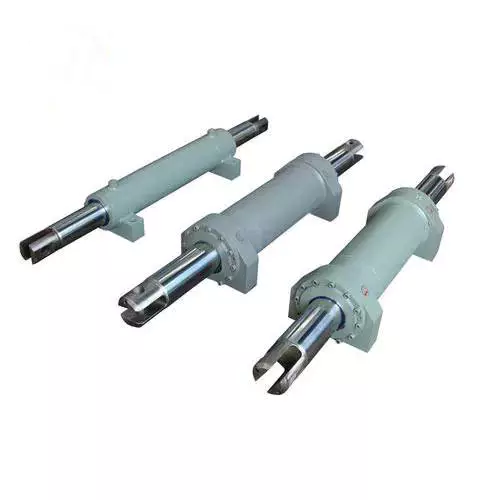
Ensuring Stable Performance of Hydraulic Cylinders Under Fluctuating Loads
Hydraulic cylinders are designed to provide stable performance even under fluctuating loads. They achieve this through various mechanisms and features that allow for efficient load control and compensation. Let’s explore how hydraulic cylinders ensure stable performance under fluctuating loads:
- Piston Design: The piston inside the hydraulic cylinder plays a crucial role in load control. It is typically equipped with seals and rings that prevent leakage of hydraulic fluid and ensure effective transfer of force. The piston design may incorporate features such as stepped or tandem pistons, which provide enhanced load-bearing capabilities and improved stability by distributing the load across multiple surfaces.
- Cylinder Cushioning: Hydraulic cylinders often incorporate cushioning mechanisms to minimize the impact and shock caused by fluctuating loads. Cushioning can be achieved through various methods, such as adjustable cushion screws, hydraulic cushioning valves, or elastomeric cushioning rings. These mechanisms slow down the piston’s movement near the end of the stroke, reducing the impact and preventing sudden stops that could lead to instability.
- Pressure Compensation: Fluctuating loads can result in pressure variations within the hydraulic system. To ensure stable performance, hydraulic cylinders are equipped with pressure compensation mechanisms. These mechanisms maintain a consistent pressure level in the system, regardless of load changes. Pressure compensation can be achieved through the use of pressure relief valves, compensating pistons, or pressure-compensated flow control valves.
- Flow Control: Hydraulic cylinders often incorporate flow control valves to regulate the speed of the cylinder’s movement. By controlling the flow rate of hydraulic fluid, the cylinder’s motion can be adjusted to match the changing load conditions. Flow control valves allow for smooth and controlled movement, preventing abrupt changes that could lead to instability.
- Feedback Systems: To ensure stable performance under fluctuating loads, hydraulic cylinders can be integrated with feedback systems. These systems provide real-time information on the cylinder’s position, velocity, and force. By continuously monitoring these parameters, the hydraulic system can make immediate adjustments to maintain stability and compensate for load fluctuations. Feedback systems can include position sensors, pressure sensors, or load sensors, depending on the specific application.
- Proper Sizing and Selection: Ensuring stable performance under fluctuating loads starts with proper sizing and selection of hydraulic cylinders. It is crucial to choose cylinders with appropriate bore size, rod diameter, and stroke length to match the anticipated load conditions. Oversized or undersized cylinders can lead to instability and reduced performance. Proper sizing also involves considering factors such as the required force, speed, and duty cycle of the application.
In summary, hydraulic cylinders ensure stable performance under fluctuating loads through features such as piston design, cushioning mechanisms, pressure compensation, flow control, feedback systems, and proper sizing and selection. These mechanisms and considerations allow hydraulic cylinders to provide consistent and controlled movement, even in dynamic load conditions, resulting in reliable and stable performance.
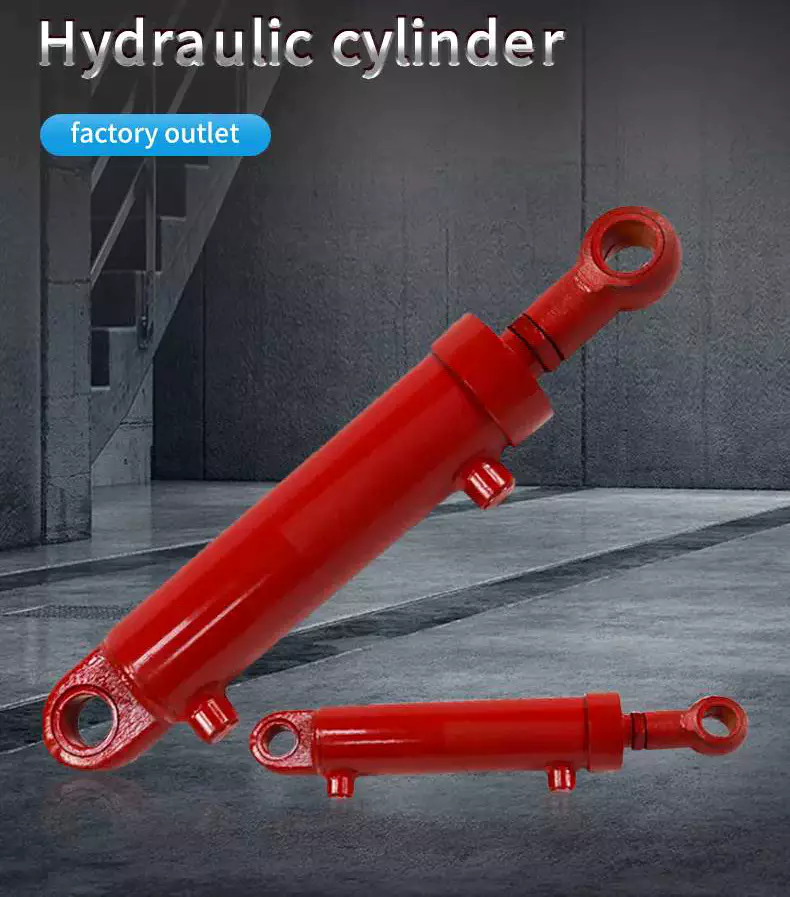
What is a hydraulic cylinder and how does it function in various applications?
A hydraulic cylinder is a mechanical actuator that converts hydraulic energy into linear force and motion. It plays a critical role in various applications where controlled and powerful linear motion is required. Hydraulic cylinders are commonly used in industries such as construction, manufacturing, agriculture, and transportation. Here’s a detailed explanation of what a hydraulic cylinder is and how it functions:
Definition and Components:
– A hydraulic cylinder consists of a cylindrical barrel, a piston, a piston rod, and various seals. The barrel is a hollow tube that houses the piston and allows for fluid flow. The piston divides the cylinder into two chambers: the rod side and the cap side. The piston rod extends from the piston and provides a connection point for external loads. Seals are used to prevent fluid leakage and maintain hydraulic pressure within the cylinder.
Function:
– The function of a hydraulic cylinder is to convert the pressure and flow of hydraulic fluid into linear force and motion. The hydraulic fluid, typically oil, is pressurized and directed into one of the chambers of the cylinder. As the fluid enters the chamber, it applies pressure on the piston, causing it to move in a linear direction. This linear motion of the piston is transferred to the piston rod, creating a pushing or pulling force.
Working Principle:
– The working principle of a hydraulic cylinder is based on Pascal’s law, which states that pressure exerted on a fluid in a confined space is transmitted equally in all directions. In a hydraulic cylinder, when hydraulic fluid is pumped into one side of the cylinder, it creates pressure on the piston. The pressure is transmitted through the fluid to the other side of the piston, resulting in a balanced force across the piston and piston rod. This force generates linear motion in the direction determined by the fluid input.
Applications:
– Hydraulic cylinders find extensive use in a wide range of applications due to their ability to generate high forces and precise control of linear motion. Some common applications include:
1. Construction Equipment: Hydraulic cylinders are used in excavators, loaders, bulldozers, and cranes for lifting, pushing, and digging tasks.
2. Manufacturing Machinery: Hydraulic cylinders are employed in presses, machine tools, and material handling equipment for pressing, clamping, and lifting operations.
3. Agricultural Machinery: Hydraulic cylinders are used in tractors, harvesters, and irrigation systems for tasks like steering, lifting, and controlling attachments.
4. Transportation: Hydraulic cylinders are utilized in vehicles such as dump trucks, garbage trucks, and forklifts for tilting, lifting, and tipping operations.
5. Aerospace and Defense: Hydraulic cylinders are employed in aircraft landing gear, missile systems, and hydraulic actuators for control surfaces.
6. Marine and Offshore: Hydraulic cylinders are used in ship steering systems, cranes, and offshore drilling equipment for various lifting and positioning tasks.
In these applications, hydraulic cylinders offer advantages such as high force capability, precise control, compact size, and durability. They provide efficient and reliable linear motion, contributing to enhanced productivity and functionality in a wide range of industries.
Overall, hydraulic cylinders are integral components in various applications where controlled and powerful linear motion is required. Their ability to convert hydraulic energy into mechanical force makes them invaluable in numerous industries, enabling the operation of heavy machinery, precise positioning, and efficient load handling.


editor by CX 2023-11-15