Өнім сипаттамасы
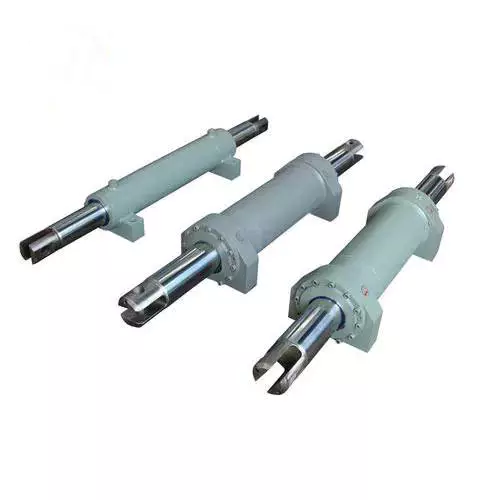
Tension and torsion combined static bearing servo actuator produced by our company is a device that outputs tensile force and torsional force in electro-hydraulic servo system, and is a key component of dynamic loading. It is mainly used in the field of dynamic, static and fatigue testing. The Tension and torsion combined static bearing servo actuator is mainly composed of the servo linear cylinder, the servo swing cylinder, the displacement sensor, the Angle sensor and the connection mechanism of the linear cylinder and the swing cylinder, etc., which can realize a variety of closed-loop control.
Specification
Working pressure: 21Mpa
Maximum static tensile force: 300kN
Maximum tensile and compressive dynamic force: 240kN
Piston rod diameter: Φ125mm
total tension stroke: 160mm
effective tension stroke: 150mm
Maximum torsional static force: 1000Nm
Maximum torsional dynamic force: 800Nm
Total torsion Angle: 100°
effective torsion Angle: 90°
Linear servo actuator independent working frequency: 0.01Hz-100Hz
Oscillating servo actuator independent working frequency: 0.01Hz-50Hz
Compound working frequency: 0.01Hz-10Hz
/* May 10, 2571 16:49:51 */!function(){function d(e,r){var a,o={};try{e&&e.split(“,”).forEach(function(e,t){e&&(a=e.match(/(.*?):(.*)$/))&&1
Гидравликалық цилиндрлер дәл орналастыру және басқару қиындықтарын қалай шешеді?
Гидравликалық цилиндрлер инженерлік принциптер мен озық басқару жүйелерінің үйлесімімен дәл орналастыру және басқару қиындықтарын шешуге арналған. Бұл қиындықтар көбінесе өнеркәсіптік автоматтандыру, құрылыс және материалдарды өңдеу сияқты дәл және бақыланатын қозғалыстар қажет болатын қолданбаларда туындайды. Гидравликалық цилиндрлердің бұл қиындықтарды қалай жеңетіні туралы егжей-тегжейлі түсініктеме берілген:
1. Сұйықтық қуатын басқару:
– Гидравликалық цилиндрлер дәл орналастыру және басқару үшін сұйықтық қуатын басқаруды пайдаланады. Гидравликалық жүйе гидравликалық сорғыдан, басқару клапандарынан және гидравликалық сұйықтықтан тұрады. Гидравликалық сұйықтықтың цилиндрге және одан шығу ағынын реттеу арқылы операторлар цилиндрдің жылдамдығын, бағытын және күшін басқара алады. Сұйықтық қуатын басқару гидравликалық цилиндр мен бекітілген жүктемені дәл орналастыруға мүмкіндік беретін тегіс және дәл қозғалыстарды қамтамасыз етеді.
2. Басқару клапандары:
– Басқару клапандары дәл орналастыру және басқару қиындықтарын шешуде маңызды рөл атқарады. Бұл клапандар жүйедегі гидравликалық сұйықтық ағынын басқаруға жауапты. Оларды қолмен немесе электронды түрде басқаруға болады. Басқару клапандары операторларға гидравликалық сұйықтықтың ағын жылдамдығын реттеуге, цилиндрдің қозғалыс жылдамдығын басқаруға мүмкіндік береді. Ағынды модуляциялау арқылы операторлар гидравликалық цилиндрдің орналасуын дәл бақылауға қол жеткізе алады, бұл дәл және дәл қозғалыстарды қамтамасыз етеді.
3. Пропорционалды бақылау:
– Гидравликалық цилиндрлер пропорционалды басқару жүйелерімен жабдықталуы мүмкін, бұл орналастыру мен басқарудың дәлдігін арттырады. Пропорционалды басқару жүйелері гидравликалық сұйықтықтың ағыны мен қысымын дәл реттеу үшін электрондық кері байланыс және басқару алгоритмдерін пайдаланады. Бұл жүйелер гидравликалық цилиндрдің қозғалысын дәл және пропорционалды басқаруды қамтамасыз етеді, бұл оның жүріс ұзындығы бойынша әртүрлі нүктелерде дәл орналастыруға мүмкіндік береді. Пропорционалды басқару цилиндрдің дәл қозғалыстар мен басқаруды қажет ететін күрделі тапсырмаларды орындау қабілетін арттырады.
4. Орналасу туралы кері байланыс сенсорлары:
– Дәл позициялауға қол жеткізу үшін гидравликалық цилиндрлер көбінесе позициялық кері байланыс сенсорларын қамтиды. Бұл сенсорлар цилиндрдің поршеньдік штангасының орналасуы туралы нақты уақыт режимінде ақпарат береді. Позициялық кері байланыс сенсорларының кең таралған түрлеріне потенциометрлер, сызықтық айнымалы дифференциалды трансформаторлар (LVDT) және магнитостриктивті сенсорлар жатады. Позицияны үздіксіз бақылау арқылы кері байланыс сенсорлары тұйық циклді басқаруды қамтамасыз етеді, бұл гидравликалық цилиндрді дәл позициялауға және басқаруға мүмкіндік береді. Кері байланыс ақпараты қажетті позицияға дәл жету үшін гидравликалық сұйықтық ағынын реттеу үшін қолданылады.
5. Серво басқару жүйелері:
– Жетілдірілген гидравликалық жүйелер дәл позициялау және басқару қиындықтарын шешу үшін серво басқару жүйелерін пайдаланады. Серво басқару жүйелері жоғары дәлдік пен жауап беру деңгейіне жету үшін электрондық басқаруды, позициялық кері байланыс сенсорларын және пропорционалды басқару клапандарын біріктіреді. Серво басқару жүйесі қажетті позицияны гидравликалық цилиндрдің нақты позициясымен үздіксіз салыстырады және кез келген позициялық қатені азайту үшін гидравликалық сұйықтық ағынын реттейді. Бұл тұйық циклді басқару механизмі гидравликалық цилиндрге әртүрлі жүктемелер немесе сыртқы кедергілер кезінде де дәл позициялау мен басқаруды сақтауға мүмкіндік береді.
6. Интеграцияланған автоматтандыру:
– Гидравликалық цилиндрлерді дәл орналастыру және басқару үшін автоматтандырылған жүйелерге біріктіруге болады. Мұндай қондырғыларда гидравликалық цилиндрлер бағдарламаланатын логикалық контроллерлер (PLC) немесе басқа автоматтандыру контроллерлерімен басқарылады. Бұл контроллерлер әртүрлі сенсорлардан кіріс сигналдарын алады және гидравликалық цилиндрдің қозғалыстарын басқару үшін алдын ала бағдарламаланған логиканы пайдаланады. Гидравликалық цилиндрлерді автоматтандырылған жүйелерге біріктіру дәл және қайталанатын орналастыру және басқаруға мүмкіндік береді, бұл күрделі қозғалыс тізбектерін жоғары дәлдікпен орындауға мүмкіндік береді.
7. Кеңейтілген басқару алгоритмдері:
– Басқару алгоритмдеріндегі жетістіктер гидравликалық цилиндрлерді дәл орналастыруға және басқаруға да ықпал етті. PID (Пропорционалды-интегралды-туынды) басқару, бейімделгіш басқару және модельге негізделген басқару сияқты бұл алгоритмдер күрделі басқару стратегияларын енгізуге мүмкіндік береді. Бұл алгоритмдер гидравликалық цилиндрлерді басқаруды оңтайландыру үшін жүктеменің өзгеруі, жүйенің динамикасы және қоршаған орта жағдайлары сияқты факторларды ескереді. Жетілдірілген басқару алгоритмдерін қолдану арқылы гидравликалық цилиндрлер бұзылуларды өтей алады және жұмыс жағдайларының кең ауқымында дәл орналастыруға және басқаруға қол жеткізе алады.
Қорытындылай келе, гидравликалық цилиндрлер сұйықтық қуатын басқару, басқару клапандары, пропорционалды басқару, позициялық кері байланыс сенсорлары, серво басқару жүйелері, интеграцияланған автоматтандыру және озық басқару алгоритмдерін пайдалану арқылы дәл позициялау және басқару қиындықтарын жеңеді. Осы элементтерді біріктіру арқылы гидравликалық цилиндрлер әртүрлі қолданбаларда дәл позициялау және басқаруды қамтамасыз ететін дәл және басқарылатын қозғалыстарға қол жеткізе алады. Бұл мүмкіндіктер өнеркәсіптік автоматтандыру, робототехника және материалдарды өңдеу сияқты жұмысында жоғары дәлдік пен қайталануды қажет ететін салалар үшін өте маңызды.
Customization of Hydraulic Cylinders for Marine and Offshore Applications
Yes, hydraulic cylinders can be customized for use in marine and offshore applications. These environments present unique challenges, such as exposure to corrosive saltwater, high humidity, and extreme operating conditions. Customization allows hydraulic cylinders to meet the specific requirements and withstand the harsh conditions encountered in marine and offshore settings. Let’s delve into the details of how hydraulic cylinders can be customized for marine and offshore applications:
- Corrosion Resistance: Marine and offshore environments expose hydraulic cylinders to corrosive elements, such as saltwater. To mitigate corrosion, hydraulic cylinders can be customized with materials and surface treatments that provide enhanced corrosion resistance. For example, cylinders can be constructed from stainless steel or coated with protective layers like chrome plating or specialized coatings to withstand the corrosive effects of saltwater.
- Sealing and Environmental Protection: Hydraulic cylinders for marine and offshore applications require robust sealing systems to prevent water ingress and protect internal components. Customized sealing solutions, such as high-quality seals, wipers, and gaskets, can be employed to ensure effective sealing and resistance to water, debris, and contaminants. Additionally, hydraulic cylinders can be designed with protective features like bellows or boots to shield vulnerable areas from environmental elements.
- High-Pressure and Shock Resistance: Marine and offshore operations may involve high-pressure hydraulic systems and encounters with dynamic loads or shocks. Customized hydraulic cylinders can be engineered to withstand these demanding conditions. They can be designed with reinforced construction, thicker walls, and specialized components to handle high-pressure applications and absorb shock loads, ensuring reliable performance and durability.
- Temperature and Fluid Compatibility: Marine and offshore applications can expose hydraulic cylinders to extreme temperature variations and specific fluid requirements. Customization allows the selection of materials, seals, and fluids compatible with the anticipated temperature range and the specific fluid being used. Hydraulic cylinders can be tailored to maintain optimal performance and reliability under challenging temperature conditions and with the designated fluid type.
- Mounting and Integration: Customized hydraulic cylinders can be designed to facilitate easy integration and mounting within marine and offshore machinery. Mounting options can be tailored to suit the available space and structural requirements of the equipment. Additionally, customized hydraulic cylinder designs can incorporate features for easy maintenance, accessibility, and connection to the hydraulic system, ensuring convenient installation and serviceability in marine and offshore applications.
In summary, hydraulic cylinders can be customized to meet the unique demands of marine and offshore applications. Customization enables the integration of corrosion-resistant materials, robust sealing systems, high-pressure and shock-resistant designs, temperature and fluid compatibility, as well as optimized mounting and integration features. By tailoring hydraulic cylinders to the specific requirements of marine and offshore environments, reliable performance, extended service life, and efficient operation can be achieved in these challenging operating conditions.
How do hydraulic cylinders ensure precise and controlled movement in equipment?
Hydraulic cylinders are widely used in various equipment and machinery to provide precise and controlled movement. They utilize hydraulic fluid and mechanical components to achieve accurate positioning, smooth operation, and reliable control. Here’s a detailed explanation of how hydraulic cylinders ensure precise and controlled movement in equipment:
1. Hydraulic Principle:
– Hydraulic cylinders operate based on Pascal’s law, which states that pressure exerted on a fluid is transmitted equally in all directions. The hydraulic fluid is contained within the cylinder, and when pressure is applied, it acts on the piston, generating force. By controlling the pressure and flow of hydraulic fluid, the movement of the cylinder can be precisely regulated, allowing for accurate and controlled motion.
2. Force and Load Management:
– Hydraulic cylinders are designed to handle specific loads and forces. The force generated by the hydraulic cylinder depends on the hydraulic pressure and the surface area of the piston. By adjusting the pressure, the force output can be controlled. This allows for precise management of the load and ensures that the cylinder can handle the required force without exerting excessive or insufficient force. Proper load management contributes to the precise and controlled movement of the equipment.
3. Control Valves:
– Control valves play a crucial role in regulating the flow and direction of hydraulic fluid within the cylinder. These valves allow operators to control the extension and retraction of the cylinder, adjust the speed of movement, and stop or hold the cylinder at any desired position. By manipulating the control valves, precise and controlled movement can be achieved, enabling operators to position equipment accurately and perform specific tasks with precision.
4. Flow Control:
– Hydraulic cylinders incorporate flow control valves to manage the rate of hydraulic fluid flow. These valves control the speed of the cylinder’s extension and retraction, allowing for smooth and controlled movement. By adjusting the flow rate, operators can precisely control the speed of the cylinder, ensuring that it moves at the desired rate without sudden or erratic movements. Flow control contributes to the overall precision and control of the equipment’s movement.
5. Position Sensing:
– To ensure precise movement, hydraulic cylinders can be equipped with position sensing devices such as linear transducers or proximity sensors. These sensors provide feedback on the position of the cylinder, allowing for accurate position control and closed-loop control systems. By continuously monitoring the position, the equipment’s movement can be controlled with high accuracy, enabling precise positioning and operation.
6. Proportional Control:
– Advanced hydraulic systems utilize proportional control technology, which allows for precise and fine-tuned control of the hydraulic cylinder’s movement. Proportional valves, often operated by electronic control systems, provide variable flow rates and pressure adjustments. This technology enables precise control of speed, force, and position, resulting in highly accurate and controlled movement of the equipment.
7. Cushioning and Damping:
– Hydraulic cylinders can incorporate cushioning and damping mechanisms to ensure smooth and controlled movement at the end of the stroke. Cushioning features, such as adjustable cushions or shock absorbers, reduce the impact and decelerate the cylinder before reaching the end of the stroke. This prevents abrupt stops and minimizes vibrations, contributing to precise and controlled movement.
8. Load Compensation:
– Some hydraulic systems utilize load compensation mechanisms to maintain precise movement even when the load varies. Load-sensing systems monitor the load demand and adjust the hydraulic pressure and flow accordingly to meet that demand. This compensation ensures that the equipment’s movement remains accurate and controlled, regardless of changes in the applied load.
In summary, hydraulic cylinders ensure precise and controlled movement in equipment through the application of hydraulic principles, force and load management, control valves, flow control, position sensing, proportional control, cushioning and damping mechanisms, and load compensation. These features and technologies allow operators to achieve accurate positioning, smooth operation, and reliable control, enabling equipment to perform tasks with precision and efficiency. The combination of hydraulic power and careful design considerations ensures that hydraulic cylinders deliver precise and controlled movement in a wide range of industrial applications.
<img src="https://img.jiansujichilun.com/img/hydrauliccylinders/hydrauliccylinders-l1.webp" alt="China Good quality Servo Hydrostatic/ Hydraulic Actuator Cylinder for Testing Machine/Test Machine/ Test Bench/ Equipment vacuum pump and compressor “><img src="https://img.jiansujichilun.com/img/hydrauliccylinders/hydrauliccylinders-l2.webp" alt="China Good quality Servo Hydrostatic/ Hydraulic Actuator Cylinder for Testing Machine/Test Machine/ Test Bench/ Equipment vacuum pump and compressor “>
editor by Dream 2024-10-11