Өнім сипаттамасы
Tped Empty CO2 Soda Aluminium Cylinder
Main Feature:
Model:AL06
Name: Soda CO2 cylinder
Material: seamless aluminium alloy
Gas type : CO2
Color: Silver
Type: Soda co2 tank
Water Capacity: 0.6L
Working Pressure: 150bar
Test Pressure: 225bar
Cylinders are made from high strength Aluminum Alloy 6061, reliable in durability, fracture toughness and resistance to tearing and cracking.
Highly corrosion-resistant interior and exterior-ideal for wet gases.
Cylinders perform well at low temperatures.
Lightweight–up to 40 percent lighter than comparable steel cylinders and in Consistent weight, consistent thickness resist damage.
Brushed external surface provides a low-maintenance finish.
Cylinders meet or exceed all regulatory standards worldwide.
Cylinders cycle-tested in excess of 120,000 cycles at service pressure. Excess of 12000 cycles at test pressure.
Minimum burst pressure tested to 2.5 times service pressure without failure.
* Valve & Threads can be specified & installed CHINAMFG Request.
* Standard Finishing is RAL300 Red Powder Coated.
* Markings according to Standard Specifications, Additional Markings Available Ipon Request.
certificate:
specification:
| Type | (mm) Outside Diameter | (L) Water Capacity | (mm) Height (Withoutvalve) | (Kg) Weight(Without valve,cap) | (Mpa) Working Pressure | (mm) Design Wall Thickness |
| LW-60-0.5-20H | 60 | 0.5 | 285 | 0.6 | 200 | 3.1 |
| LW-75-0.7-15H | 75 | 0.7 | 295 | 0.9 | 150 | 4 |
| LW-82-0.7-15H | 82 | 0.7 | 235 | 0.9 | 150 | 4.2 |
| LW-89-1.0-15H | 89 | 1.0 | 269 | 1.2 | 150 | 4.5 |
| LW-89-1.4-15H | 89 | 1.4 | 345 | 1.4 | 150 | 4.5 |
| LW-108-1.0-15H | 108 | 1.0 | 210 | 1.3 | 150 | 5.5 |
| LW-108-1.4-15H | 108 | 1.4 | 264 | 1.6 | 150 | 5.5 |
| LW-108-2.0-15H | 108 | 2.0 | 346 | 2.1 | 150 | 5.5 |
| LW-108-2.5-15H | 108 | 2.5 | 413 | 2.5 | 150 | 5.5 |
| LW-120-2.0-15H | 120 | 2.0 | 320 | 2.7 | 150 | 6.1 |
| LW-120-2.5-15H | 120 | 2.5 | 369 | 3.0 | 150 | 6.1 |
| LW-120-2.8-15H | 120 | 2.8 | 398 | 3.2 | 150 | 6.1 |
| LW-120-3.2-15H | 120 | 3.2 | 437 | 3.5 | 150 | 6.1 |
| LW-140-4.0-15H | 140 | 4.0 | 420 | 4.2 | 150 | 7.1 |
| LW-140-5.0-15H | 140 | 5.0 | 500 | 4.9 | 150 | 7.1 |
| LW-140-6.0-15H | 140 | 6.0 | 580 | 5.6 | 150 | 7.1 |
| LW-140-8.0-15H | 140 | 8.0 | 741 | 7.2 | 150 | 7.1 |
| LW-140-5.0-20H | 140 | 5.0 | 525 | 6.3 | 200 | 9.3 |
| LW-140-6.0-20H | 140 | 6.0 | 652 | 7.98 | 200 | 9.3 |
| LW-159-10.0-15H | 159 | 10.0 | 730 | 8.8 | 150 | 8 |
| LW-184-9.0-20H | 184 | 9.0 | 575 | 12.0 | 200 | 12.2 |
| LW-184-10.0-20H | 184 | 10.0 | 620 | 12.9 | 200 | 12.2 |
| LW-184-11.0-20H | 184 | 11.0 | 665 | 14.2 | 200 | 12.2 |
| LW-184-12.0-20H | 184 | 12.0 | 710 | 15.4 | 200 | 12.2 |
| LW-203-12-15H | 203 | 12.0 | 567 | 11.8 | 150 | 10.3 |
| LW-203-15-15H | 203 | 20.0 | 873 | 17.0 | 150 | 10.3 |
| LW-203-21.3-15H | 203 | 21.3 | 962 | 19.9 | 150 | 10.3 |
| LW-204-12-20H | 204 | 12.0 | 610 | 16.5 | 200 | 13.4 |
| LW-204-15-20H | 204 | 15.0 | 735 | 18.7 | 200 | 13.4 |
| LW-204-20-20H | 204 | 20.0 | 940 | 23.4 | 200 | 13.4 |
| LW-232-29.5-15H | 232 | 29.5 | 994 | 30.2 | 150 | 11.7 |
| LW-232-30.3-15H | 232 | 30.0 | 1571 | 30.5 | 150 | 11.7 |
| LW-232-33.4-15H | 232 | 33.4 | 1126 | 31.3 | 150 | 11.7 |
| LW-232-40.0-15H | 232 | 40.0 | 1340 | 36.5 | 150 | 11.7 |
| LW-232-20.0-20H | 232 | 20.0 | 750 | 26.9 | 200 | 15.4 |
| LW-232-26.0-20H | 232 | 26.0 | 921 | 30.7 | 200 | 15.4 |
| LW-232-30.0-20H | 232 | 30.0 | 1076 | 36.4 | 200 | 15.4 |
| LW-232-31.5-20H | 232 | 31.5 | 1096 | 38.0 | 200 | 15.4 |
| LW-232-40.0-20H | 232 | 40.0 | 1365 | 44.1 | 200 | 15.4 |
| LW-250-40.0-15H | 250 | 40.0 | 1150 | 36.7 | 150 | 12.6 |
| LW-250-46.4-15H | 250 | 46.4 | 1305 | 38.7 | 150 | 12.6 |
| LW-250-47.5-15H | 250 | 47.5 | 1340 | 42.0 | 150 | 12.6 |
| LW-250-50.0-15H | 250 | 50.0 | 1590 | 39.0 | 200 | 12.6 |
| LW-250-40.0-20H | 250 | 40.0 | 1227 | 46.3 | 200 | 16.5 |
| LW-250-50.0-20H | 250 | 50.0 | 1500 | 56.0 | 200 | 16. |
Company profile:
Our factory aluminium jar-making co.,ltd. is a professional filter capacitor shell aluminum shell and the development and production of a wholly-owned enterprise. Founded in 1988, now covers an area of 80,000 square meters, staff 320 people, including engineers and technicians 25 people. Since its inception, that is fully committed to the manufacture of aluminum cans , aluminum semi-finished products processing and metallurgy and processing such as special-shaped parts, with a strong technical force and good quality staff, and constantly develop new products, develop new markets,
Growing scale of production. Products not only meet the domestic demand, but also exported to Europe, America and Southeast Asia regions, well received by customers and vendors praise!
Company’s existing 3 series of products, Capacitor aluminum shell and cover, fuel filter housing and shelters, EFI pump casing. The company pays great attention to product quality, strictly follow the concept of lean production and methods of management of production. And has achieved ISO9001:2008quality system.certification.ISO14001:2004, EN ISO7866:2012+AC2014 environmental management system certification and ISO/TS16949: 2009auto parts industry certification.
The company in line to provide customers with the fastest, most comprehensive and efficient services for the purpose, sincerely welcome friends home and abroad to write to.
| Function: | Storage Pressure Vessel, Cream Charger |
|---|---|
| Application: | Gas |
| Материал: | Aluminum Alloy |
| Қысым: | 10.0MPa≤p<100.0MPa |
| Storage Medium: | Food Grade CO2 |
| Pressure Level: | High Pressure (10.0MPa≤p<100.0MPa) |
| Теңшеу: | Қолжетімді |
|
|---|
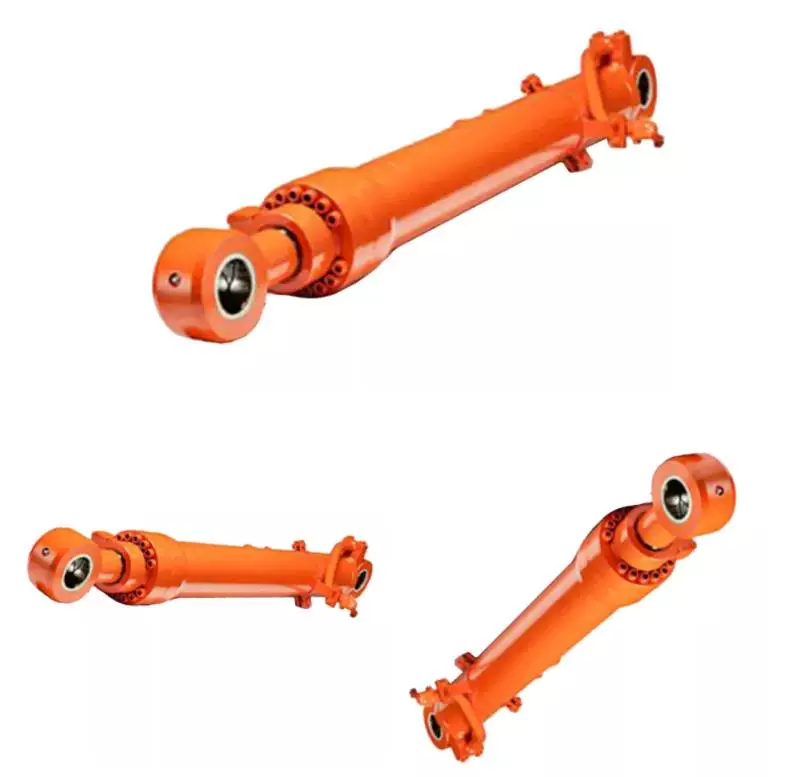
How do hydraulic cylinders handle the challenges of minimizing friction and wear?
Hydraulic cylinders employ several mechanisms and techniques to effectively minimize friction and wear, ensuring optimal performance and longevity. Minimizing friction and wear is crucial for hydraulic cylinders as it helps to maintain efficiency, reduce energy consumption, and prevent premature failure. Here’s a detailed explanation of how hydraulic cylinders handle the challenges of minimizing friction and wear:
1. Lubrication:
– Proper lubrication is essential for minimizing friction and wear in hydraulic cylinders. Lubricating fluids, such as hydraulic oils, are used to create a thin film between moving surfaces, reducing direct metal-to-metal contact. This lubricating film acts as a protective barrier, reducing friction and preventing wear. Regular maintenance practices include monitoring and maintaining the appropriate lubricant levels to ensure optimal lubrication and minimize frictional losses.
2. Surface Finishes:
– The surface finishes of components in hydraulic cylinders play a crucial role in minimizing friction and wear. Smoother surface finishes, achieved through precision machining, grinding, or the application of specialized coatings, reduce surface roughness and frictional resistance. By minimizing surface irregularities, the risk of wear and friction-induced damage is significantly reduced, resulting in improved efficiency and extended component life.
3. High-Quality Sealing Systems:
– Well-designed and high-quality sealing systems are crucial for minimizing friction and wear in hydraulic cylinders. Seals prevent fluid leakage and contamination while maintaining proper lubrication. Advanced sealing materials, such as polyurethane or composite materials, offer excellent wear resistance and low friction characteristics. Optimal seal design and proper installation ensure effective sealing, minimizing friction and wear between the piston and cylinder bore.
4. Proper Alignment and Clearances:
– Hydraulic cylinders must be properly aligned and have appropriate clearances to minimize friction and wear. Misalignment or excessive clearances can result in increased friction and uneven wear, leading to premature failure. Proper installation, alignment, and maintenance practices, including regular inspection and adjustment of clearances, help ensure smooth and even movement of the piston within the cylinder, reducing friction and wear.
5. Filtration and Contamination Control:
– Effective filtration and contamination control are essential for minimizing friction and wear in hydraulic cylinders. Contaminants, such as particles or moisture, can act as abrasive agents, accelerating wear and increasing friction. By implementing robust filtration systems and proper maintenance practices, hydraulic systems can prevent the ingress of contaminants, ensuring clean and properly lubricated components. Clean hydraulic fluids help minimize wear and friction, contributing to improved performance and longevity.
6. Material Selection:
– The selection of appropriate materials for hydraulic cylinder components is crucial in minimizing friction and wear. Components subject to high frictional forces, such as pistons and cylinder bores, can be made from materials with excellent wear resistance, such as hardened steel or composite materials. Additionally, selecting materials with low coefficients of friction helps reduce frictional losses. Proper material selection ensures durability and minimized wear in critical components of hydraulic cylinders.
7. Maintenance and Regular Inspection:
– Regular maintenance and inspection practices are vital for identifying and addressing potential issues that could lead to increased friction and wear in hydraulic cylinders. Scheduled maintenance includes lubrication checks, seal inspections, and monitoring of clearances. By promptly detecting and rectifying any signs of wear or misalignment, hydraulic cylinders can be kept in optimal condition, minimizing friction and wear throughout their operational lifespan.
In summary, hydraulic cylinders employ various strategies to handle the challenges of minimizing friction and wear. These include proper lubrication, employing suitable surface finishes, utilizing high-quality sealing systems, ensuring proper alignment and clearances, implementing effective filtration and contamination control measures, selecting appropriate materials, and conducting regular maintenance and inspections. By implementing these practices, hydraulic cylinders can minimize friction and wear, ensuring smooth and efficient operation while extending the overall lifespan of the system.
Гидравликалық цилиндрлердегі сұйықтықтың ағуын және ластануын азайту мәселелерін шешу
Гидравликалық цилиндрлер сұйықтықтың ағып кетуі мен ластануын азайтуға келгенде қиындықтарға тап болады, себебі бұл мәселелер жүйенің жұмысына, сенімділігіне және қызмет ету мерзіміне әсер етуі мүмкін. Дегенмен, бұл қиындықтарды тиімді шешуге көмектесетін бірнеше шаралар мен жобалау мәселелері бар. Гидравликалық цилиндрлер сұйықтықтың ағып кетуі мен ластануын азайту қиындықтарын қалай шешетінін қарастырайық:
- Тығыздау жүйелері: Гидравликалық цилиндрлер сұйықтықтың ағып кетуіне жол бермеу үшін озық тығыздау жүйелерін пайдаланады. Бұл жүйелер әдетте поршень тығыздағыштары, штанга тығыздағыштары және сүрткіш тығыздағыштары сияқты әртүрлі тығыздағыштарды қамтиды. Тығыздағыштар цилиндрдің қозғалатын компоненттері мен сыртқы орта арасында тығыз және сенімді тосқауыл жасауға, сұйықтықтың ағып кету қаупін азайтуға арналған.
- Тығыздағыш материалын таңдау: Тығыздағыш материалдарын таңдау сұйықтықтың ағып кетуі мен ластануын азайтуда өте маңызды. Гидравликалық цилиндр өндірушілері қолданылатын гидравликалық сұйықтықпен үйлесімді және тозуға, абразияға және химиялық ыдырауға төзімді тығыздағыш материалдарын мұқият таңдайды. Бұл тығыздағыштардың ұзақ қызмет ету мерзімі мен тиімділігін қамтамасыз етеді, ағып кету немесе тығыздағыштың мерзімінен бұрын істен шығу ықтималдығын азайтады.
- Дұрыс орнату және техникалық қызмет көрсету: Гидравликалық цилиндрлерді дұрыс орнатуды және үнемі техникалық қызмет көрсетуді қамтамасыз ету сұйықтықтың ағып кетуі мен ластануын азайту үшін өте маңызды. Орнату кезінде дұрыс туралауға, болттардың айналу моментіне және ұсынылған процедураларды сақтауға назар аудару керек. Үнемі техникалық қызмет көрсету тығыздағыштарды тексеруді, тозған компоненттерді ауыстыруды және ағып кетудің кез келген белгілерін уақтылы жоюды қамтиды. Тиісті техникалық қызмет көрсету тәжірибелері мәселелердің ушығып, елеулі мәселелер тудырмас бұрын оларды анықтауға және түзетуге көмектеседі.
- Ластануды бақылау: Гидравликалық цилиндрлер ластануды бақылау және сұйықтықтың тазалығын сақтау шараларын қамтиды. Бұған гидравликалық сұйықтықтан бөлшектер мен ластаушы заттарды кетіру үшін сүзгі жүйелерін, мысалы, желілік сүзгілерді пайдалану кіреді. Сонымен қатар, гидравликалық резервуарларда ылғал мен ауадағы ластаушы заттардың жүйеге енуіне жол бермеу үшін көбінесе тыныс алу және құрғатқыш сүзгілер болады. Ластануды бақылау арқылы гидравликалық цилиндрлер ішкі компоненттердің зақымдану қаупін азайтады және жүйенің оңтайлы жұмысын сақтайды.
- Қоршаған ортаны қорғау: Гидравликалық цилиндрлер сыртқы ластаушы заттардан қорғау үшін қорғаныс құралдарымен жабдықталуы мүмкін. Мысалы, шыбық пен тығыздағыштарды жұмыс ортасындағы қоқыстардан, кірден немесе ылғалдан қорғау үшін сильфондар немесе қорғаныс етіктерін орнатуға болады. Бұл қорғаныс шаралары тығыздағыштардың қызмет ету мерзімін ұзартуға және гидравликалық цилиндрдің жалпы сенімділігін арттыруға көмектеседі.
Қорытындылай келе, гидравликалық цилиндрлер сұйықтықтың ағып кетуі мен ластануын азайту қиындықтарын шешу үшін тығыздау жүйелерін, тиісті тығыздау материалдарын, дұрыс орнату және техникалық қызмет көрсету тәжірибелерін, ластануды бақылау шараларын және қоршаған ортаны қорғау мүмкіндіктерін пайдаланады. Осы шараларды енгізу арқылы өндірушілер гидравликалық цилиндрдің сенімді және ұзақ мерзімді жұмыс істеуін қамтамасыз ете алады, сұйықтықтың ағып кету қаупін азайта алады және гидравликалық жүйенің тазалығын сақтай алады.
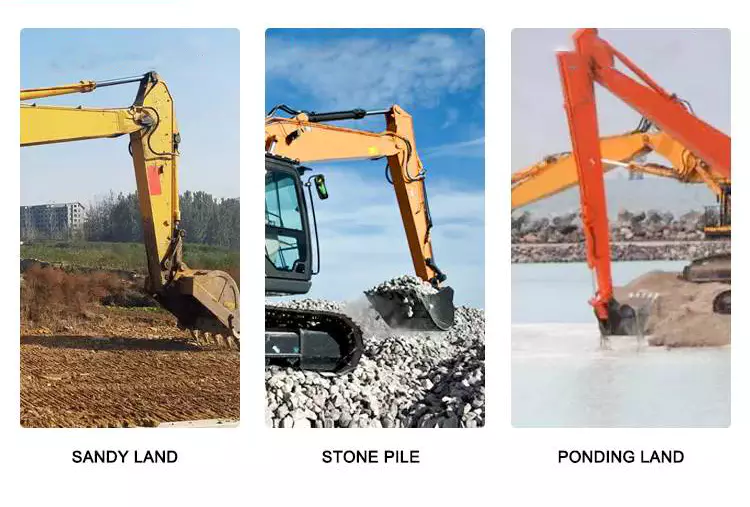
How do hydraulic cylinders generate force and motion using hydraulic fluid?
Hydraulic cylinders generate force and motion by utilizing the principles of fluid mechanics, specifically Pascal’s law, in conjunction with the properties of hydraulic fluid. The process involves the conversion of hydraulic energy into mechanical force and linear motion. Here’s a detailed explanation of how hydraulic cylinders achieve this:
1. Pascal’s Law:
– Hydraulic cylinders operate based on Pascal’s law, which states that when pressure is applied to a fluid in a confined space, it is transmitted equally in all directions. In the context of hydraulic cylinders, this means that when hydraulic fluid is pressurized, the force is evenly distributed throughout the fluid and transmitted to all surfaces in contact with the fluid.
2. Hydraulic Fluid and Pressure:
– Hydraulic systems use a specialized fluid, typically hydraulic oil, as the working medium. This fluid is stored in a reservoir and circulated through the system by a hydraulic pump. The pump pressurizes the fluid, creating hydraulic pressure that can be controlled and directed to various components, including hydraulic cylinders.
3. Cylinder Design and Components:
– Hydraulic cylinders consist of several key components, including a cylindrical barrel, a piston, a piston rod, and various seals. The barrel is a hollow tube that houses the piston and allows for fluid flow. The piston divides the cylinder into two chambers: the rod side and the cap side. The piston rod extends from the piston and provides a connection point for external loads. Seals are used to prevent fluid leakage and maintain hydraulic pressure within the cylinder.
4. Fluid Input and Motion:
– To generate force and motion, hydraulic fluid is directed into one side of the cylinder, creating pressure on the corresponding surface of the piston. This pressure is transmitted through the fluid to the other side of the piston.
5. Force Generation:
– The force generated by a hydraulic cylinder is a result of the pressure applied to a specific surface area of the piston. The force exerted by the hydraulic cylinder can be calculated using the formula: Force = Pressure × Area. The area is determined by the diameter of the piston or the piston rod, depending on which side of the cylinder the fluid is acting upon.
6. Linear Motion:
– As the pressurized hydraulic fluid acts on the piston, it generates a force that moves the piston in a linear direction within the cylinder. This linear motion is transferred to the piston rod, which extends or retracts accordingly. The piston rod can be connected to external components or machinery, allowing the generated force to perform various tasks, such as lifting, pushing, pulling, or controlling mechanisms.
7. Control and Regulation:
– The force and motion generated by hydraulic cylinders can be controlled and regulated by adjusting the flow of hydraulic fluid into the cylinder. By regulating the flow rate, pressure, and direction of the fluid, the speed, force, and direction of the cylinder’s movement can be precisely controlled. This control allows for accurate positioning, smooth operation, and synchronization of multiple cylinders in complex machinery.
8. Return and Recirculation of Fluid:
– After the hydraulic cylinder completes its stroke, the hydraulic fluid on the opposite side of the piston needs to be returned to the reservoir. This is typically achieved through hydraulic valves that control the flow direction, allowing the fluid to return and be recirculated in the system for further use.
In summary, hydraulic cylinders generate force and motion by utilizing the principles of Pascal’s law. Pressurized hydraulic fluid acts on the piston, creating force that moves the piston in a linear direction. This linear motion is transferred to the piston rod, allowing the generated force to perform various tasks. By controlling the flow of hydraulic fluid, the force and motion of hydraulic cylinders can be precisely regulated, contributing to their versatility and wide range of applications in machinery.


editor by CX 2023-11-28