Tilt Cylinder in Factory Automation
Introduction
A tilt cylinder is an essential component in factory automation systems. With its ability to provide precise and controlled tilting motion, it plays a crucial role in various industrial applications. In this blog post, we will explore the significance of tilt cylinders in factory automation and discuss their advantages and working principles. Additionally, we will provide insights on how to select the appropriate tilt cylinder for specific applications and guide you through the installation process.
1. Importance of Tilt Cylinders in Factory Automation
Tilt cylinders are widely utilized in factory automation due to their numerous benefits:
- Enhanced Productivity: The integration of tilt cylinders in automation systems allows for efficient handling and positioning of heavy loads, optimizing production processes.
- Precision Control: Tilt cylinders provide precise and customizable tilting angles, ensuring accurate positioning of workpieces or machinery.
- Space Optimization: By utilizing tilt cylinders, manufacturers can maximize workspace utilization by tilting equipment or components in restricted areas.
- Improved Safety: Tilt cylinders contribute to workplace safety by enabling controlled movements, minimizing the risk of accidents during material handling.
- Flexibility and Adaptability: Tilt cylinders can be easily adjusted and integrated into different automation setups, offering versatility for diverse industrial applications.
2. Working Principles of Tilt Cylinders
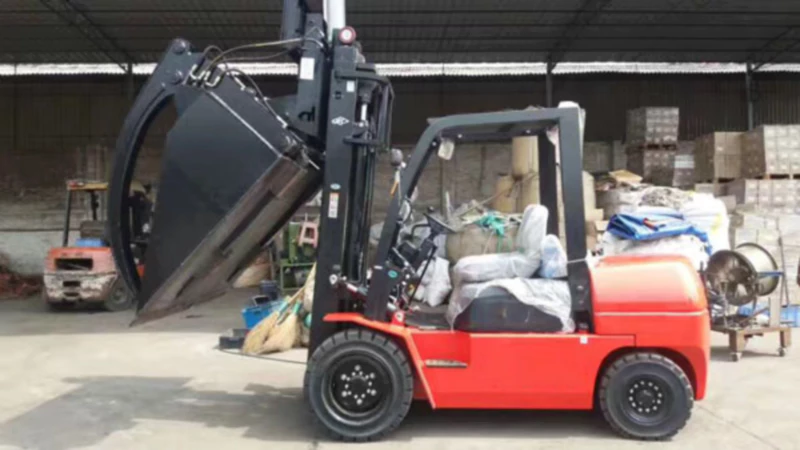
Tilt cylinders operate based on hydraulic principles, utilizing pressurized fluid to generate motion. When hydraulic pressure is applied to the cylinder, it extends or retracts, resulting in the tilting motion of the connected component. The direction and speed of the tilt can be precisely controlled using valves and hydraulic systems.
3. Selecting the Appropriate Tilt Cylinder
Choosing the right tilt cylinder for a specific application is crucial for optimal performance. Consider the following factors:
- Load Capacity: Evaluate the weight and dimensions of the load to ensure the tilt cylinder can handle the required load capacity.
- Tilt Angle Range: Determine the necessary tilt range for your application and select a tilt cylinder capable of achieving the desired angles.
- Speed and Control: Assess the speed and precision control requirements of your application to choose a tilt cylinder with suitable speed and control capabilities.
- Environmental Conditions: Consider the operating environment, including temperature, humidity, and exposure to hazardous substances, to select a tilt cylinder with appropriate seals and protective coatings.
- Mounting Options: Examine the available mounting options and choose a tilt cylinder that seamlessly integrates into your existing automation setup.
4. Installation Process of Tilt Cylinders
Installing a tilt cylinder involves the following steps:
- Prepare the workspace and ensure proper safety measures are in place.
- Position the tilt cylinder in the desired location, aligning it with the mounting brackets or fixtures.
- Securely fasten the tilt cylinder to the mounting brackets using appropriate bolts and hardware.
- Connect the hydraulic hoses and fittings to ensure proper fluid flow.
- Test the tilt cylinder’s functionality and make any necessary adjustments or fine-tuning.
- Once satisfied with the installation, conduct a final inspection to ensure all connections are secure and no leaks are present.
Conclusion
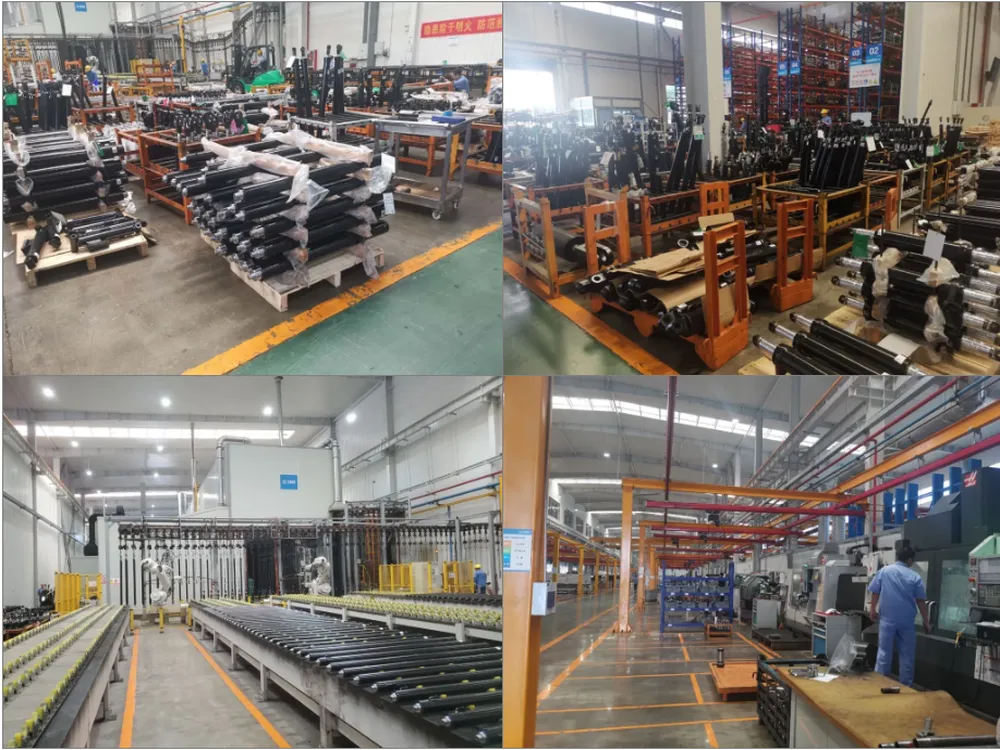
In conclusion, tilt cylinders play a vital role in factory automation, enabling precise and controlled tilting motion for various industrial applications. Their advantages include enhanced productivity, precision control, space optimization, improved safety, and flexibility. Understanding the working principles of tilt cylinders and selecting the appropriate one based on load capacity, tilt angle range, speed, control, environmental conditions, and mounting options is essential for successful integration. With our experience of over 15 years in hydraulic cylinder design, production, and manufacturing, we are committed to delivering high-quality tilt cylinders and providing exceptional service to customers worldwide. Our company has built a strong reputation among European and American clients for our advanced production capabilities, top-notch product quality, and competitive pricing. Explore our range of hydraulic cylinders, including tilt cylinders, boom cylinders, forklift tilt cylinders, steering cylinders, small hydraulic cylinders, and hydraulic pistons, suitable for diverse industries such as construction, agriculture, mining, aerospace, automotive, shipbuilding, and material handling.
Edited by Czh.