製品説明
Custom High Quality Sanitation machinery hydraulic cylinders CHINAMFG thrust cylinder
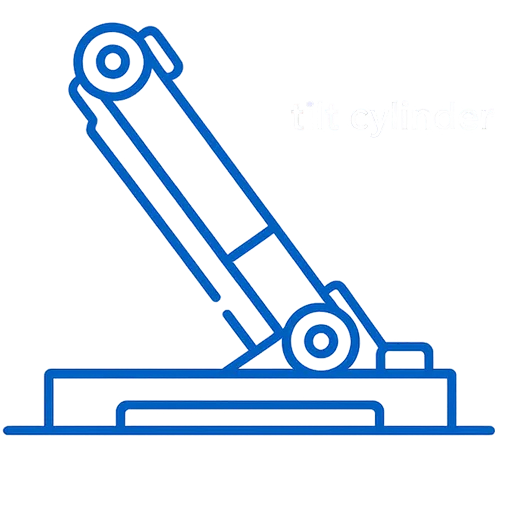
In sanitation machinery, a CHINAMFG thrust cylinder refers to a specific type of hydraulic cylinder used to provide CHINAMFG thrust or pushing force in certain applications. Hydraulic cylinders are mechanical devices that convert hydraulic pressure into linear motion or strength.
The CHINAMFG thrust cylinder is designed to generate a force in the direction of the primary thrust or movement of the sanitation machinery. It is commonly used in applications where there is a need to extend or push a specific component or mechanism.
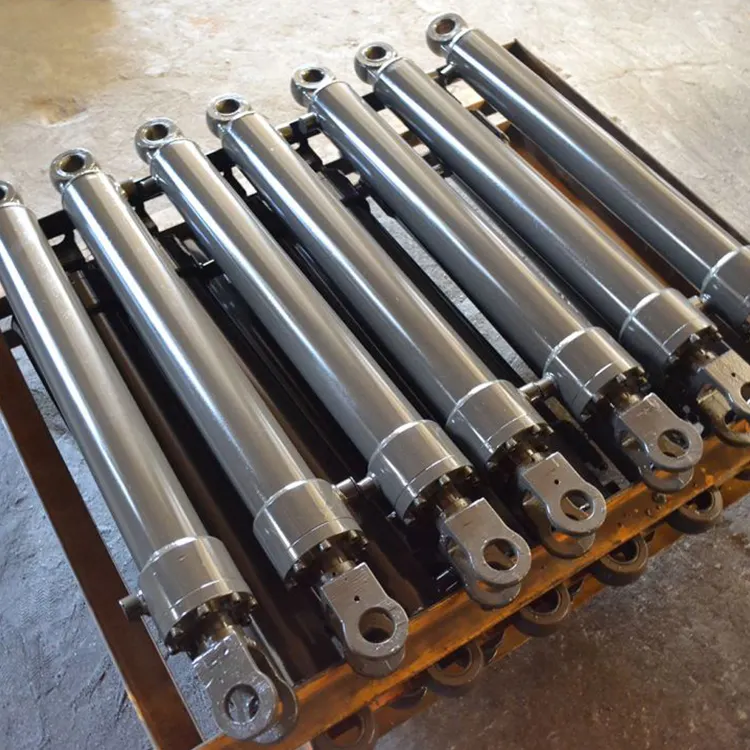
A CHINAMFG thrust cylinder’s exact design and configuration can vary depending on the specific application and machinery. However, it generally consists of a cylindrical barrel, a piston, and a rod. The barrel contains hydraulic fluid, and the piston divides the barrel into 2 chambers: an extend and retract sides. The rod extends from 1 end of the cylinder and connects to the component or mechanism that requires the CHINAMFG thrust.
| bore diameter (D) | rod diameter (d) | stroke (S) | Installation distance (L) | working pressure | Interface dimensions (M) | weight |
| Φ90 | Φ63 | 320 | 878 | 16MPa | 2-M22*1.5 | 47kg |
Application of Sanitation machinery CHINAMFG thrust cylinder
Trash Compactors: In sanitation trucks or waste management facilities, CHINAMFG thrust cylinders are employed in trash compactors. These cylinders extend to compress and compact the waste materials, reducing their volume and optimizing space in the collection or storage compartments.
Garbage Disposal Systems: CHINAMFG thrust cylinders are used in garbage disposal systems, such as automated trash chutes or waste processing equipment. They provide the force to push the garbage or waste materials through the system for further processing or disposal.
Street Sweeping Machines: CHINAMFG thrust cylinders are utilized in street sweeping machines to extend brushes, blades, or other cleaning attachments. These cylinders push the cleaning components against the ground, facilitating the removal of debris, dirt, and litter from the streets.
Drain Cleaning Equipment: CHINAMFG thrust cylinders are incorporated into drain cleaning machines used by sanitation workers or plumbing professionals. These cylinders extend to push specialized cleaning attachments or nozzles into drains or pipes, helping to remove blockages and clear the plumbing system.
Sewer Jetting Systems: In sewer maintenance and cleaning equipment, CHINAMFG thrust cylinders extend high-pressure water jetting nozzles into sewer lines. The cylinders provide the force to push the nozzle through the sewer pipes, enabling effective cleaning and flushing of debris and obstructions.
Industrial Cleaning Equipment: CHINAMFG thrust cylinders are used in various industrial cleaning machines, such as pressure washers or surface cleaners. These cylinders extend to apply pressure or force on the cleaning attachments, enabling efficient cleaning of surfaces, equipment, or machinery.
How can the reverse thrust cylinder be controlled in sanitation machinery?
The control of a reverse thrust cylinder in sanitation machinery typically involves a hydraulic control system that regulates the flow and pressure of hydraulic fluid to the cylinder. Here are some standard methods for controlling the reverse thrust cylinder:
1. Directional Control Valve: A directional control valve controls the flow of hydraulic fluid to the reverse thrust cylinder. It allows you to select the desired direction of movement, either extending or retracting the cylinder. The valve may have manual controls, such as levers or knobs, or be electronically controlled in more advanced systems.
2. Pressure Control Valve: A pressure control valve regulates the pressure of the hydraulic fluid supplied to the reverse thrust cylinder. By adjusting the pressure setting, you can control the force exerted by the cylinder during its reverse thrust operation.
3. Control System: In more advanced sanitation machinery, a control system can be employed to automate the operation of the reverse thrust cylinder. This can involve sensors, feedback mechanisms, and programmable logic controllers (PLCs) that monitor and control the cylinder’s movement based on predetermined conditions or input signals.
4. Safety Interlocks: To ensure safe operation, sanitation machinery may incorporate safety interlocks that prevent the reverse thrust cylinder from operating under certain conditions. These interlocks can include limit switches, pressure sensors, or proximity sensors that detect the position or pressure of the cylinder and prevent unintended or unsafe movements.
5. Manual Overrides: Some sanitation machinery may include manual overrides or emergency controls that allow operators to manually control the reverse thrust cylinder in case of system failures or emergencies. These overrides can bypass the automated control system and provide direct control over the cylinder’s movement.
The specific control mechanisms and components used to control the reverse thrust cylinder can vary depending on the design and complexity of the sanitation machinery. It’s essential to consult the machinery’s documentation or the manufacturer’s guidelines to understand the specific control methods and procedures for the reverse thrust cylinder in your sanitation machinery.
当社
当社は、組立に関する一流の独立研究開発プラットフォームを有しています。フォークリフトシリンダー生産工場には、半自動昇降シリンダー組立ラインが4本、全自動傾斜シリンダー組立ラインが1本あり、年間生産能力は100万個です。特殊シリンダー工場には、様々な仕様の半自動洗浄・組立システムが備えられており、年間生産能力は20万個です。また、有名なCNC加工設備、マシニングセンター、高精度シリンダー加工専用設備、ロボット溶接機、自動洗浄機、自動シリンダー組立機、自動塗装生産ラインなどを備えています。300セット以上の重要設備が稼働しており、設備資源の最適化された配分と効率的な利用により、製品の精度要件を満たし、高い品質基準を満たしています。
フォークリフトシリンダー組立工場 | その他のタイプのシリンダー組立工場 |
溶接
塗装とコーティング
塗装・コーティングライン | 全自動水性 |
テスト
製品性能をさらに向上させ、業界における当社の油圧シリンダーのリーダーシップの地位を確立するために、当社とzjimeeは共同で油圧シリンダー、油圧バルブ、油圧ポンプの総合性能試験室を設立しました。この試験室はコンピュータ支援試験であり、電気油圧制御技術を使用し、試験条件はコンピュータによってプリセットされるため、試験精度とシステムの汎用性が向上し、実験データが得られます。
センサーの適用により自動収集が実現され、シリンダーやバルブの内部漏れや負荷効率などの出力データは、コンピュータによって直接処理され、標準単位(ml/分、%)に変換されます。同時に、油圧システムの安全な動作を確保するため、「油温監視、液面監視、フィルター装置監視」などの主要な性能パラメータの状態監視機能が実行されます。中でも、油圧シリンダー試験台は、読み取り値によって「負荷効率」と「内部漏れ」の性能をテストできます。また、国家規格の油圧シリンダー製品のすべての試験項目の要件を満たす格子定規測定器が装備されています。
当社の工場
梱包と配送
A short lifting cylinder for a forklift is a specific type of hydraulic cylinder designed for vertical lifting applications in forklifts. It is typically used to raise and lower the mast assembly and forks of the forklift, allowing for the lifting and positioning of loads.
| 認証: | GS、RoHS、CE、ISO9001 |
|---|---|
| プレッシャー: | 高圧 |
| 動作温度: | 通常の温度 |
| 行動様式: | ダブルアクト |
| 作業方法: | ロータリー |
| 調整済みフォーム: | 規制対象タイプ |
How does a forklift hydraulic cylinder contribute to load stability?
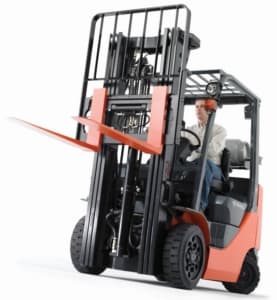
A forklift hydraulic cylinder plays a crucial role in ensuring load stability during lifting and material handling operations. Here’s an explanation of how it contributes to load stability:
Load stability refers to the ability of a forklift to safely lift, carry, and place loads without compromising their balance or causing them to shift unexpectedly. The hydraulic cylinder contributes to load stability in the following ways:
1. Lifting Control:
The hydraulic cylinder allows controlled and smooth lifting of the load. By regulating the flow of hydraulic fluid, the operator can adjust the lifting speed and ensure gradual, steady movement. This controlled lifting action minimizes the risk of load destabilization due to sudden jolts or jerks.
2. Load Balancing:
Hydraulic cylinders can be used in forklifts equipped with load balancing systems. These systems distribute the lifting force evenly across multiple hydraulic cylinders. By sharing the load, each cylinder carries a proportionate weight, reducing the strain on individual components and promoting load stability.
3. Tilting and Fork Positioning:
Hydraulic cylinders are often used to control the tilting of the mast or the positioning of the forks. By adjusting the tilt angle or fork position, the operator can optimize load stability. This feature is particularly important when handling loads with uneven weight distribution or when navigating through narrow spaces.
4. Mast Stability:
The hydraulic cylinder contributes to the stability of the mast assembly. The cylinder’s extension and retraction control the vertical movement of the mast, ensuring proper alignment and support. A stable mast assembly enhances load stability by preventing excessive swaying or wobbling during lifting and material handling operations.
5. Load Lowering:
When lowering the load, the hydraulic cylinder enables controlled and gradual descent. The operator can regulate the flow of hydraulic fluid to prevent sudden drops or impacts that could destabilize the load. This controlled lowering action ensures safe and stable placement of the load.
By incorporating these features and functionalities, a forklift hydraulic cylinder significantly contributes to load stability. It enables controlled lifting, load balancing, precise tilting and fork positioning, mast stability, and controlled load lowering. These capabilities promote safe and efficient material handling operations, reducing the risk of load shifts and maintaining overall load stability.
In summary, a forklift hydraulic cylinder plays a vital role in ensuring load stability. Through its lifting control, load balancing, tilting and fork positioning capabilities, mast stability, and controlled load lowering, the hydraulic cylinder enhances the safe and effective handling of loads, minimizing the risk of instability and accidents.
 \
\
Can hydraulic cylinders be used in order fulfillment centers?
Yes, hydraulic cylinders can be used in order fulfillment centers. Order fulfillment centers require efficient and precise material handling equipment to handle the storage and movement of goods. Hydraulic cylinders are commonly used in various applications within these centers. Here’s an explanation of how they can be utilized:
Hydraulic cylinders find applications in order fulfillment centers in the following ways:
1. Conveyor Systems:
Conveyor systems are extensively used in order fulfillment centers for the transportation of goods. Hydraulic cylinders are employed to control the movement and positioning of conveyor belts. These cylinders enable smooth and precise adjustments of the conveyor height, ensuring efficient transfer of items between different processing areas.
2. Lift Tables and Platforms:
Hydraulic cylinders are utilized in lift tables and platforms used for order picking and loading/unloading operations. These cylinders provide controlled lifting and lowering of the tables or platforms, allowing operators to adjust the working height as needed. This enables ergonomic working conditions and precise alignment with shelving or loading docks.
3. Scissor Lifts:
Scissor lifts are commonly used in order fulfillment centers to reach elevated areas for order picking or stock replenishment. Hydraulic cylinders power the vertical movement of scissor lifts, providing stability and controlled elevation. The cylinders allow for precise positioning at different heights, enhancing efficiency and safety during the order fulfillment process.
4. Pallet Handling Equipment:
Order fulfillment centers often utilize pallet handling equipment, such as pallet jacks and pallet positioners, to move and stack palletized goods. Hydraulic cylinders are integral components of these machines, enabling the lifting and lowering of pallets. The cylinders provide the necessary force and control to handle heavy loads and ensure accurate placement of pallets.
5. Automated Guided Vehicles (AGVs):
AGVs are autonomous vehicles utilized in order fulfillment centers to transport goods within the facility. Hydraulic cylinders are employed in the lifting mechanisms of AGVs, allowing them to pick up and drop off loads at designated locations. The cylinders enable precise vertical movement and positioning of the load, ensuring accurate and efficient material handling.
In summary, hydraulic cylinders have various applications in order fulfillment centers, including conveyor systems, lift tables and platforms, scissor lifts, pallet handling equipment, and AGVs. These cylinders contribute to efficient and precise material handling, enhancing productivity and streamlining the order fulfillment process.
What are the components of a forklift hydraulic cylinder?
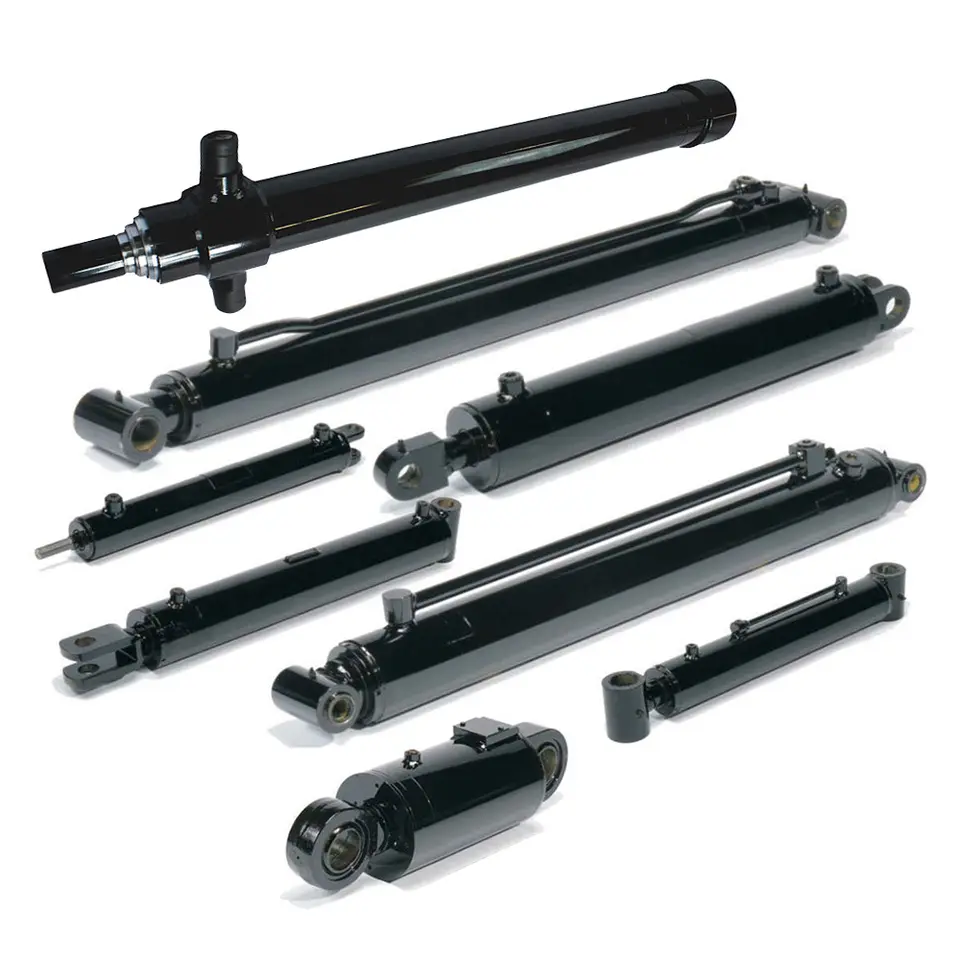
A forklift hydraulic cylinder consists of several components that work together to generate the necessary force for lifting loads. Here’s a breakdown of the key components:
1. Cylinder Barrel:
The cylinder barrel is a cylindrical tube that provides the housing for the other components of the hydraulic cylinder. It is typically made of high-strength steel or other durable materials to withstand the hydraulic forces.
2. Piston:
The piston is a cylindrical component that fits inside the cylinder barrel. It divides the cylinder into two chambers and is responsible for transferring the hydraulic force. The piston is sealed against the cylinder barrel to prevent fluid leakage between the chambers.
3. Piston Rod:
The piston rod extends from the piston and protrudes out of the cylinder barrel. It is connected to the load-bearing structure of the forklift, such as the mast assembly. The piston rod transmits the force generated by the hydraulic fluid to lift and lower the loads.
4. Seals:
Seals are essential components that prevent hydraulic fluid leakage and maintain the pressure within the cylinder. They are typically made of rubber or other elastomeric materials and are positioned at various points of the cylinder, such as around the piston and piston rod.
5. Inlet and Outlet Ports:
The hydraulic cylinder has inlet and outlet ports that allow the hydraulic fluid to enter and exit the cylinder. The inlet port is connected to the hydraulic system’s control valves and hoses, delivering pressurized fluid into the cylinder. The outlet port allows the fluid to flow out of the cylinder when the load is being lowered.
6. Mounting and Connection Components:
To integrate the hydraulic cylinder into the forklift’s hydraulic system, various mounting and connection components are used. These can include brackets, pins, clevises, and other fittings that secure and connect the cylinder to the forklift’s structure.
Each of these components plays a crucial role in the operation of the forklift hydraulic cylinder. The cylinder barrel provides the housing, the piston and piston rod generate the force, seals prevent fluid leakage, and the inlet and outlet ports facilitate the flow of hydraulic fluid. The mounting and connection components ensure proper integration into the forklift.
In summary, the components of a forklift hydraulic cylinder include the cylinder barrel, piston, piston rod, seals, inlet and outlet ports, and various mounting and connection components. Together, these components enable the hydraulic cylinder to generate the force necessary for lifting and lowering loads in a forklift.


editor by CX 2023-11-16