製品説明
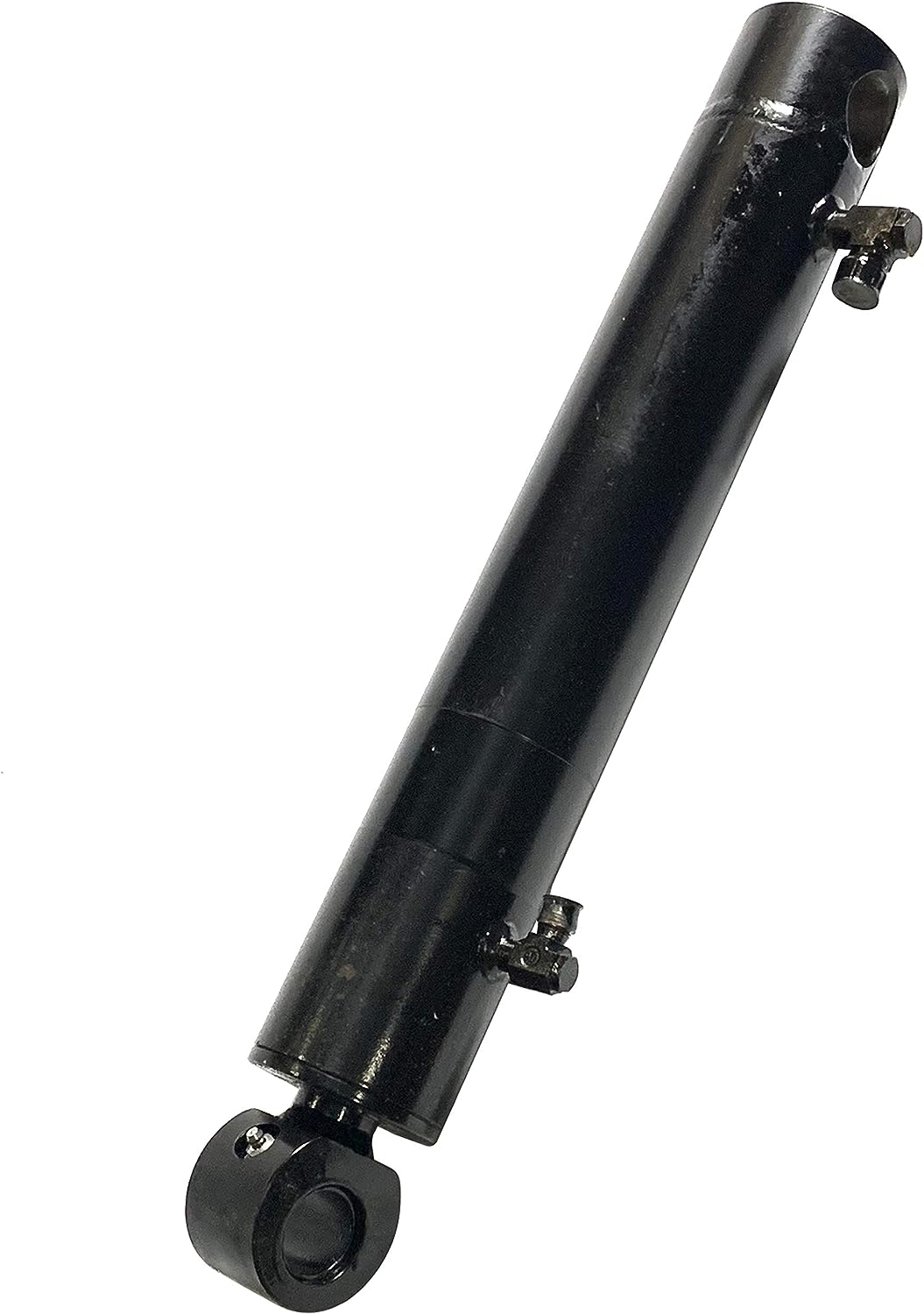
Guaranteed Quality 100kg hydraulic cylinders Upper arm cylinder for Boom Aerial work vehicle
In a boom aerial work vehicle, the upper arm cylinder refers to a hydraulic cylinder that is part of the upper arm assembly of the boom. The upper arm cylinder plays a crucial role in controlling the movement and positioning of the upper arm of the crash.
| bore diameter (D) | rod diameter (d) | stroke (S) | Installation distance (L) | working pressure | Interface dimensions (M) | weight |
| Φ110 | Φ75 | 815 | 1433 | 23MPa | 2-Φ9 | 100kg |
Here are some important aspects and applications of the upper arm cylinder in a boom aerial work vehicle:
Boom Extension and Retraction: The upper arm cylinder is responsible for extending and retracting the boom of the aerial work vehicle. A double-acting hydraulic cylinder receives hydraulic pressure to extend or retract, allowing the boom to reach different heights and lengths as needed.
Vertical Articulation: The upper arm cylinder assists in the vertical articulation of the boom. By actuating the hydraulic cylinder, the upper arm of the crash can be raised or lowered, enabling the operator to position the aerial platform at various vertical angles to reach desired work areas.
Load Handling: The upper arm cylinder contributes to the load handling capabilities of the boom aerial work vehicle. It provides the necessary hydraulic force to lift and lower heavy loads or equipment attached to the boom, allowing for efficient material handling and equipment deployment at elevated heights.
Control and Safety: The upper arm cylinder coordinates with other hydraulic components and control systems of the aerial work vehicle. It ensures precise control and safe operation of the boom by allowing operators to adjust the angle, height, and reach of the boom with accuracy and stability.
Range of Applications: The upper arm cylinder finds applications in various industries that require working at heights. This includes construction, maintenance, telecommunications, utility services, tree care, window cleaning, event management, and more. The versatility of the upper arm cylinder enables workers to access and perform tasks at elevated locations safely and efficiently.
Stability and Balance: The upper arm cylinder contributes to the strength and balance of the aerial work vehicle. It helps maintain the structural integrity of the boom and ensures smooth and controlled movement, minimizing unwanted swaying or oscillations during operations.
Some information about the hydraulic system in a boom aerial work vehicle
Hydraulic Power Source: A hydraulic power unit (HPU) or hydraulic pump typically powers the hydraulic system. The HPU generates hydraulic pressure by converting mechanical energy from an internal combustion engine or an electric motor into hydraulic fluid flow. The hydraulic fluid is typically oil-based and provides the necessary power for operating the hydraulic components.
Hydraulic Fluid Reservoir: The hydraulic system includes a fluid reservoir that stores an adequate supply of hydraulic fluid. The pool ensures sufficient fluid is available for the operation of the hydraulic system and helps dissipate heat generated during system operation.
Hydraulic Hoses and Lines: Hydraulic hoses and lines connect the hydraulic components, such as cylinders, valves, and the hydraulic power unit. These hoses and lines transport the pressurized hydraulic fluid to the various parts of the system, allowing power and control signals to be transmitted.
Hydraulic Cylinders: The hydraulic system in a boom aerial work vehicle includes hydraulic cylinders, such as the upper arm cylinder and lower arm cylinder. These cylinders are responsible for extending, retracting, and controlling the movement of the boom, providing the necessary lifting and positioning capabilities.
Control Valves: Control valves are vital components in the hydraulic system. They regulate the flow and direction of hydraulic fluid, allowing operators to control the movement and speed of the boom, as well as other hydraulic functions. Control valves may be manually operated or controlled electronically, depending on the vehicle’s features.
Hydraulic Filtration and Cooling: The hydraulic system incorporates filtration elements to remove contaminants from the hydraulic fluid, ensuring optimal performance and longevity of the system components. Additionally, hydraulic systems may have cooling mechanisms, such as heat exchangers or fans, to dissipate excess heat generated during system operation and maintain the hydraulic fluid at suitable temperatures.
Safety Features: Boom aerial work vehicles often include safety features in the hydraulic system, such as pressure relief valves and load-holding valves. These safety mechanisms prevent overloading, excessive pressure, or uncontrolled movements, enhancing the equipment’s and its operators’ overall safety.
当社
当社は、組立に関する一流の独立研究開発プラットフォームを有しています。フォークリフトシリンダー生産工場には、半自動昇降シリンダー組立ラインが4本、全自動傾斜シリンダー組立ラインが1本あり、年間生産能力は100万個です。特殊シリンダー工場には、様々な仕様の半自動洗浄・組立システムが備えられており、年間生産能力は20万個です。また、有名なCNC加工設備、マシニングセンター、高精度シリンダー加工専用設備、ロボット溶接機、自動洗浄機、自動シリンダー組立機、自動塗装生産ラインなどを備えています。300セット以上の重要設備が稼働しており、設備資源の最適化された配分と効率的な利用により、製品の精度要件を満たし、高い品質基準を満たしています。
フォークリフトシリンダー組立工場 | その他のタイプのシリンダー組立工場 |
溶接
塗装とコーティング
塗装・コーティングライン | 全自動水性 |
テスト
製品性能をさらに向上させ、業界における当社の油圧シリンダーのリーダーシップの地位を確立するために、当社とzjimeeは共同で油圧シリンダー、油圧バルブ、油圧ポンプの総合性能試験室を設立しました。この試験室はコンピュータ支援試験であり、電気油圧制御技術を使用し、試験条件はコンピュータによってプリセットされるため、試験精度とシステムの汎用性が向上し、実験データが得られます。
センサーの適用により自動収集が実現され、シリンダーやバルブの内部漏れや負荷効率などの出力データは、コンピュータによって直接処理され、標準単位(ml/分、%)に変換されます。同時に、油圧システムの安全な動作を確保するため、「油温監視、液面監視、フィルター装置監視」などの主要な性能パラメータの状態監視機能が実行されます。中でも、油圧シリンダー試験台は、読み取り値によって「負荷効率」と「内部漏れ」の性能をテストできます。また、国家規格の油圧シリンダー製品のすべての試験項目の要件を満たす格子定規測定器が装備されています。
当社の工場
梱包と配送
A short lifting cylinder for a forklift is a specific type of hydraulic cylinder designed for vertical lifting applications in forklifts. It is typically used to raise and lower the mast assembly and forks of the forklift, allowing for the lifting and positioning of loads.
| 認証: | GS、RoHS、CE、ISO9001 |
|---|---|
| プレッシャー: | 高圧 |
| 動作温度: | 通常の温度 |
| 行動様式: | ダブルアクト |
| 作業方法: | ロータリー |
| 調整済みフォーム: | 規制対象タイプ |
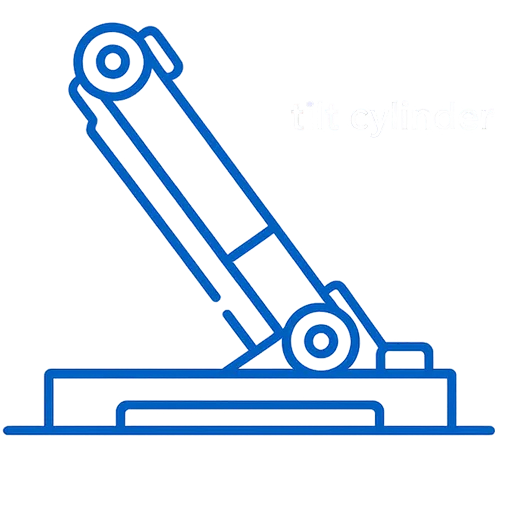
How does a tilt cylinder handle variations in hydraulic seal technology?
A tilt cylinder is designed to handle variations in hydraulic seal technology effectively. Hydraulic seals play a critical role in the proper functioning and performance of tilt cylinders. Here’s a detailed explanation:
- Sealing Efficiency: Tilt cylinders are equipped with hydraulic seals that effectively prevent leakage of hydraulic fluid. The design and construction of these seals ensure a tight and reliable seal, even under high-pressure conditions. Whether the hydraulic seal technology involves traditional seals, such as O-rings or lip seals, or more advanced sealing solutions, tilt cylinders are designed to accommodate and utilize the specific seal technology for optimal sealing efficiency.
- Compatibility with Seal Materials: Tilt cylinders are designed to be compatible with various seal materials used in hydraulic systems. Different hydraulic seal technologies may utilize different materials, such as rubber compounds, polyurethane, or synthetic materials. Tilt cylinders are engineered to work seamlessly with a wide range of seal materials, ensuring proper sealing performance and longevity.
- Seal Configuration and Design: Tilt cylinders are designed to accommodate different seal configurations and designs. Hydraulic seal technologies may vary in terms of seal profiles, dimensions, and installation methods. Tilt cylinders are manufactured with the necessary features and specifications to accommodate these variations. Whether it involves single-acting or double-acting cylinders, piston seals, rod seals, or wiper seals, tilt cylinders are designed to handle the specific seal configuration and design requirements.
- Seal Maintenance and Replacement: Tilt cylinders are designed to facilitate seal maintenance and replacement. Hydraulic seals may require periodic inspection, lubrication, or replacement to ensure optimal performance and prevent leakage. Tilt cylinders are designed with accessible seal areas, allowing for convenient inspection and maintenance. Additionally, the design of tilt cylinders enables efficient seal replacement when necessary, minimizing downtime and ensuring continuous operation.
- Seal Technology Advancements: Tilt cylinders are adaptable to advancements in hydraulic seal technology. The field of hydraulic seal technology continues to evolve, with new materials, designs, and technologies being developed. Tilt cylinder manufacturers actively incorporate and adapt to these advancements, ensuring that their cylinders can effectively handle the variations and improvements in hydraulic seal technology over time.
Therefore, tilt cylinders are designed to handle variations in hydraulic seal technology by providing sealing efficiency, compatibility with seal materials, accommodating different seal configurations and designs, facilitating seal maintenance and replacement, and adapting to seal technology advancements. By considering the specific requirements of hydraulic seal technology, tilt cylinders ensure reliable and efficient sealing performance in hydraulic systems.
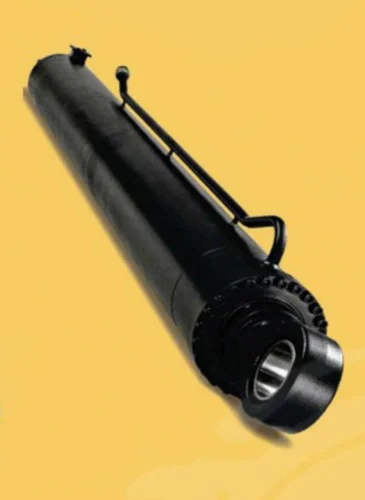
How does a tilt cylinder handle variations in tilt angle and load?
A tilt cylinder is designed to handle variations in tilt angle and load to ensure optimal performance and safe operation. It employs various mechanisms and features that allow it to adapt to different angles and loads. Here’s a detailed explanation:
- Adjustable Force and Stroke: Tilt cylinders can be adjusted to accommodate variations in tilt angle and load. The force generated by the cylinder can be controlled by adjusting the hydraulic pressure, allowing for precise control over the tilting movement. Similarly, the stroke length of the cylinder can be customized to provide the desired range of motion, enabling flexibility in achieving different tilt angles.
- Flow Control Valves: Tilt cylinders often incorporate flow control valves that regulate the speed and rate of hydraulic fluid flow. These valves allow operators to adjust the flow rate, providing finer control over the tilting movement. By adjusting the flow control valves, operators can handle variations in tilt angle and load with greater precision and stability.
- Load-Sensing Technology: Some advanced tilt cylinders utilize load-sensing technology to automatically adjust the force output based on the load applied. Load sensors integrated into the cylinder or the hydraulic system provide real-time feedback on the load, enabling the cylinder to adjust its force accordingly. This ensures consistent and safe operation, even when dealing with varying loads.
- Structural Integrity: Tilt cylinders are designed with robust construction to handle variations in load. The materials used, such as high-strength steel, provide structural integrity and durability. The cylinder’s design considers factors such as bending moments and stress distribution to ensure safe operation under different load conditions.
- Seals and Lubrication: Tilt cylinders incorporate seals and lubrication systems to minimize friction and maintain the required performance. Seals prevent leakage and contamination, ensuring the hydraulic system operates efficiently. Proper lubrication reduces wear and tear on moving parts, allowing the cylinder to handle variations in tilt angle and load smoothly and reliably.
- Stability and Balance: Tilt cylinders are designed to maintain stability and balance during tilting operations. The cylinder’s attachment points, along with the equipment’s center of gravity, are carefully considered to ensure safe and controlled tilting. This helps prevent instability or tipping when facing variations in tilt angle or load.
By incorporating adjustable force and stroke, flow control valves, load-sensing technology, robust construction, seals and lubrication, as well as ensuring stability and balance, tilt cylinders can effectively handle variations in tilt angle and load. These features enable precise control, safe operation, and reliable performance in a wide range of applications across industries.
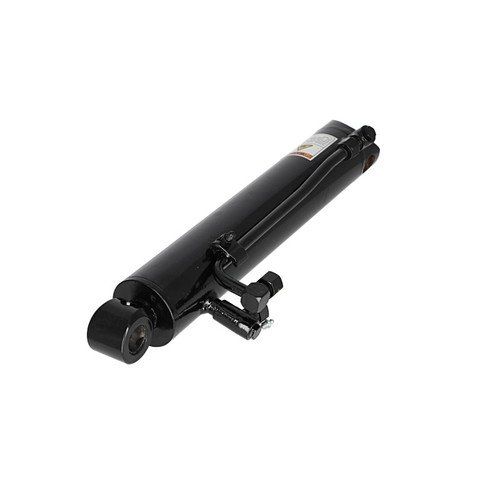
Can tilt cylinders be customized for specific machinery and equipment?
Yes, tilt cylinders can be customized to meet the specific requirements of different machinery and equipment. Customization allows for optimal integration, compatibility, and performance in various applications. Here’s a detailed explanation:
- Mounting Configurations: Tilt cylinders can be customized to accommodate different mounting configurations. The attachment points, dimensions, and mounting interfaces can be tailored to fit specific machinery and equipment. This ensures proper alignment and secure attachment, enabling the tilt cylinder to effectively perform its tilting function.
- Force and Stroke Specifications: Tilt cylinders can be customized based on the force and stroke requirements of the machinery or equipment. The force generated by the cylinder can be adjusted to match the specific load and tilting task. Similarly, the stroke length can be customized to provide the desired range of tilting motion. This customization ensures that the tilt cylinder delivers the necessary force and motion for optimal performance.
- Operating Pressure and Speed: The operating pressure and speed of a tilt cylinder can be customized to suit the hydraulic system of the machinery or equipment. Hydraulic systems have different pressure and flow characteristics, and the tilt cylinder can be designed and calibrated accordingly. This customization ensures compatibility and efficient operation within the specific hydraulic system.
- Sealing and Protection: Tilt cylinders can be customized to incorporate specific sealing and protection features. The seals can be selected based on the operating environment, such as high temperatures, corrosive substances, or dust and debris. Additionally, protective coatings or covers can be applied to enhance the durability and longevity of the tilt cylinder, especially in harsh operating conditions.
- Integration with Control Systems: Tilt cylinders can be customized to integrate with the control systems of the machinery or equipment. This allows for seamless communication and control between the tilt cylinder and the overall equipment control architecture. Customized integration ensures synchronized operation and coordinated movement between the tilt cylinder and other hydraulic or electronic components.
By offering customization options, tilt cylinder manufacturers can cater to the specific needs of different machinery and equipment. Customized tilt cylinders provide optimized performance, reliability, and compatibility, resulting in enhanced productivity, efficiency, and safety in various industries.


editor by CX 2023-12-12