製品説明
Exquisite Structure 18.1MPa Forklift hydraulic Tilt Cylinder 12kg for sale
The tilt cylinder is a hydraulic component used in various applications, including construction equipment, agricultural machinery, and material handling equipment like forklifts. It is responsible for controlling the tilting motion of a hydraulic system, typically a mast or boom, allowing for the adjustment of angles and positions. Tilt cylinders are crucial components that enable precise control and positioning in various hydraulic systems. Their ability to adjust angles and positions contributes to the versatility and efficiency of equipment in numerous industries and applications.
| bore diameter (D) | rod diameter (d) | stroke (S) | Installation distance (L) | working pressure | Interface dimensions (M) | weight |
| Φ70 | Φ30 | 156 | 453 | 18.1MPa | 2-G1/4 | 12kg |
(1) Our company can customize non-standard oil cylinders within the range of cylinder diameter D360MM and stroke L6000MM according to customer requirements;
(2) The above product prices are nontax unit prices, excluding packaging and transportation costs required for the export
Tilt Cylinder for Forklift
Function: The primary function of the tilt cylinder in a forklift is to control the tilting movement of the mast and forks. It enables the operator to tilt the forks CHINAMFG or backward, allowing for lifting, transporting, and depositing loads with precision and stability.
Hydraulic Power: The forklift’s hydraulic system powers the tilt cylinder. It is connected to hydraulic lines that supply hydraulic fluid under pressure. When the operator activates the tilt control lever, hydraulic fluid is directed to the tilt cylinder, causing it to extend or retract and initiate the tilting motion.
Construction: Forklift tilt cylinders are typically double-acting hydraulic cylinders. They consist of a cylindrical barrel, a piston rod, and seals to prevent fluid leakage. The cylinder is mounted on the forklift’s mast and connected to the carriage or tilting mechanism. The piston rod extends and retracts within the cylinder barrel, allowing the mast and forks to tilt.
Control: The operator controls the tilt cylinder using a control lever or joystick located in the forklift’s operator compartment. By manipulating the control lever, the operator can activate the hydraulic system to extend or retract the tilt cylinder, thereby adjusting the tilt angle of the forks. Many forklifts also feature additional controls for fine-tuning the tilt movement and achieving precise load positioning.
Safety Features: Forklifts are equipped with safety features related to the tilt cylinder operation. These may include tilt speed control, load backrests, and tilt lock mechanisms to prevent unintentional tilting or ensure the forks remain fixed during transport.
Maintenance: Regular maintenance and inspection of the tilt cylinder are essential to ensure its proper functioning. This includes checking for leaks, verifying the condition of seals, and maintaining the hydraulic fluid at the recommended level and quality. Any signs of damage or malfunction should be addressed promptly to prevent equipment downtime and ensure safe operation.
How to Select a Tilt Cylinder?
When selecting a tilt cylinder for a specific application, it is essential to consider several factors to ensure compatibility and optimal performance. Here are some key factors to consider when selecting a tilt cylinder:
1. Forklift Model and Manufacturer: Start by identifying the make and model of the forklift for which you need a tilt cylinder. Different forklift manufacturers may have specific tilt cylinder specifications and compatibility requirements. Consult the forklift’s manual or contact the manufacturer for guidance on your model’s recommended tilt cylinder specifications.
2. Load Capacity: Determine your forklift’s maximum load capacity requirements. The tilt cylinder should be able to handle the weight of the loads you typically take. Consider the static and dynamic loads the tilt cylinder will be subjected to during operation. Ensure that the selected tilt cylinder has an adequate load capacity to handle the loads safely and efficiently.
3. Tilt Angle Range: Evaluate your application’s required tilt angle range. Different forklifts may have varying tilt angle capabilities. Ensure the selected tilt cylinder can achieve the desired angles to accommodate your specific operational needs.
4. Mounting Configuration: Consider the mounting configuration of the tilt cylinder. Forklifts may have different mounting styles or attachment points for tilt cylinders. Ensure that the selected tilt cylinder is compatible with the mounting configuration of your forklift. This includes considering the mounting bolt pattern, attachment points, and dimensions.
5. Hydraulic System Compatibility: Assess the hydraulic system requirements of your forklift. Consider factors such as hydraulic flow rate, pressure rating, and compatibility with the existing hydraulic system. The selected tilt cylinder should be compatible with the hydraulic system of your forklift to ensure proper operation and performance.
6. Quality and Reliability: Choose a tilt cylinder from a reputable manufacturer of high-quality hydraulic components. A reliable tilt cylinder will offer durability, long service life, and consistent performance, reducing the risk of downtime and maintenance issues.
7. Safety Features: Consider any additional safety features or considerations required for your application. Some tilt cylinders may incorporate safety features such as load backrests, speed control, or tilt lock mechanisms. Assess whether these features are necessary for your application and ensure the selected tilt cylinder meets the required safety standards.
8. Consultation and Expert Advice: If you are uncertain about the selection process or specific requirements, it is advisable to consult with a qualified forklift technician, dealer, or tilt cylinder manufacturer. They can provide guidance based on their expertise and experience, helping you select the most suitable tilt cylinder for your application.
By considering these factors and consulting relevant resources, you can select a tilt cylinder compatible with your forklift model, meets the load capacity and tilt angle requirements, and ensures safe and efficient operation.
当社
当社は、組立に関する一流の独立研究開発プラットフォームを有しています。フォークリフトシリンダー生産工場には、半自動昇降シリンダー組立ラインが4本、全自動傾斜シリンダー組立ラインが1本あり、年間生産能力は100万個です。特殊シリンダー工場には、様々な仕様の半自動洗浄・組立システムが備えられており、年間生産能力は20万個です。また、有名なCNC加工設備、マシニングセンター、高精度シリンダー加工専用設備、ロボット溶接機、自動洗浄機、自動シリンダー組立機、自動塗装生産ラインなどを備えています。300セット以上の重要設備が稼働しており、設備資源の最適化された配分と効率的な利用により、製品の精度要件を満たし、高い品質基準を満たしています。
フォークリフトシリンダー組立工場 | その他のタイプのシリンダー組立工場 |
溶接
塗装とコーティング
塗装・コーティングライン | 全自動水性 |
テスト
製品性能をさらに向上させ、業界における当社の油圧シリンダーのリーダーシップの地位を確立するために、当社とzjimeeは共同で油圧シリンダー、油圧バルブ、油圧ポンプの総合性能試験室を設立しました。この試験室はコンピュータ支援試験であり、電気油圧制御技術を使用し、試験条件はコンピュータによってプリセットされるため、試験精度とシステムの汎用性が向上し、実験データが得られます。
The automatic collection is realized through the application of sensors, and the output data, such as the internal leakage and load efficiency of the cylinder or the valve, are directly processed by the
computer and converted to standard units (ml/min; %). At the same time, to ensure the working safety of the hydraulic system, the state monitoring function is carried out for key performance parameters, such as “oil temperature monitoring, liquid level monitoring, filter device monitoring,” etc. Among them, the hydraulic cylinder test stand can test the performance of “load efficiency” and “internal leakage” by readings. At the same time, it is equipped with a grating ruler measuring instrument, which meets the requirements of all test items of hydraulic cylinder products in the national standard
当社の工場
梱包と配送
/* March 10, 2571 17:59:20 */!function(){function s(e,r){var a,o={};try{e&&e.split(“,”).forEach(function(e,t){e&&(a=e.match(/(.*?):(.*)$/))&&1
| 認証: | GS、RoHS、CE、ISO9001 |
|---|---|
| プレッシャー: | Medium Pressure |
| 動作温度: | 通常の温度 |
| 行動様式: | ダブルアクト |
| 作業方法: | ロータリー |
| 調整済みフォーム: | 規制対象タイプ |
How does a tilt cylinder contribute to precise equipment positioning?
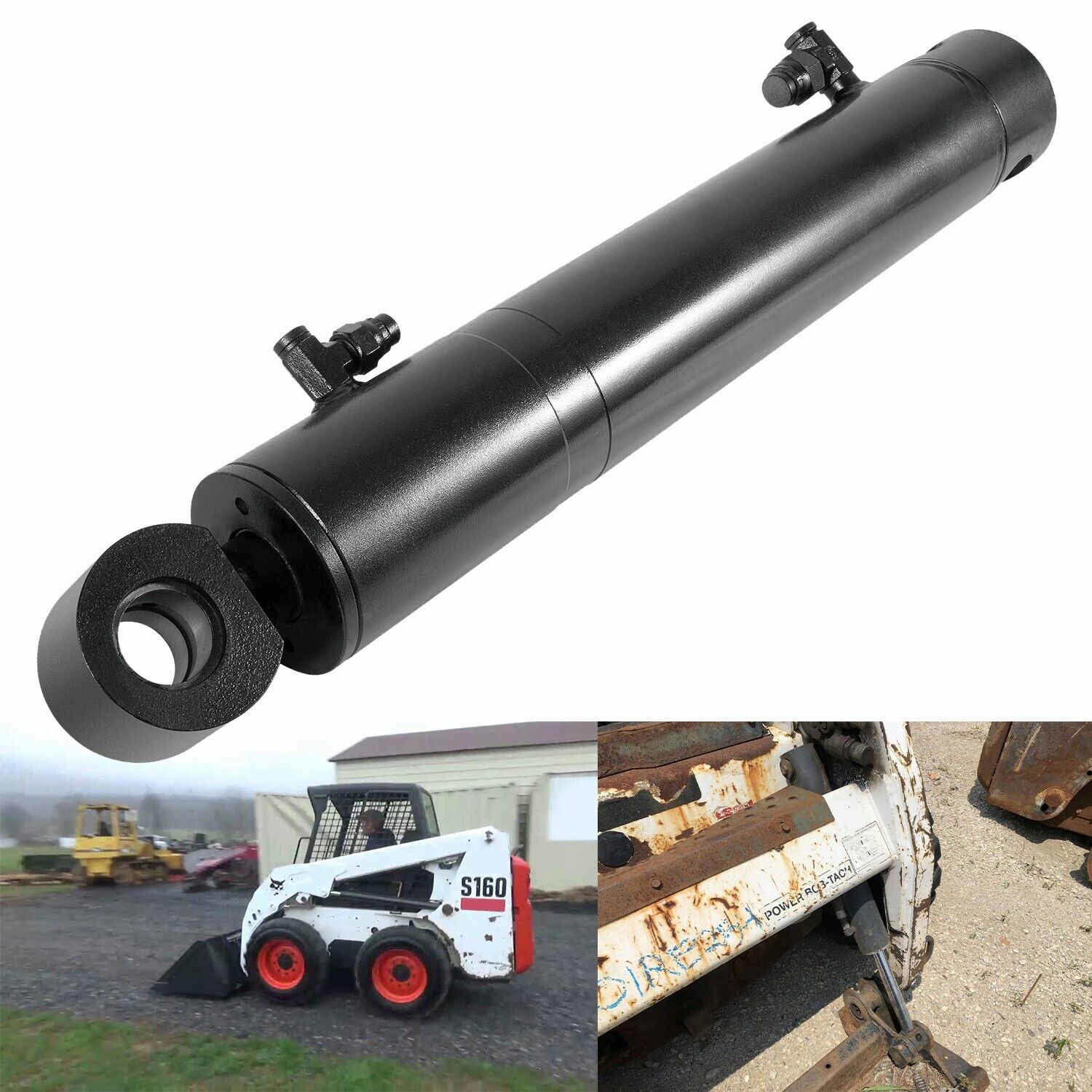
A tilt cylinder plays a crucial role in achieving precise equipment positioning. It provides the necessary force and control to adjust the tilt angle of the equipment, allowing operators to position it accurately for various tasks. Here’s a detailed explanation:
- Tilt Angle Adjustment: A tilt cylinder allows operators to adjust the tilt angle of the equipment. By actuating the cylinder, they can tilt the equipment forwards or backwards, facilitating precise positioning. The ability to fine-tune the tilt angle enables operators to align the equipment with specific targets or work areas, ensuring optimal accuracy and efficiency.
- Load Distribution: Precise equipment positioning is essential for maintaining proper load distribution. A tilt cylinder allows operators to adjust the tilt angle to distribute the load evenly across the equipment. This is especially important when handling uneven or imbalanced loads. By achieving precise positioning through tilt cylinder control, operators can optimize load distribution, minimize stress on the equipment, and enhance stability during operation.
- Contour Adaptation: In certain applications, such as land grading or earthmoving, precise equipment positioning is necessary to adapt to the contours of the terrain. A tilt cylinder enables operators to adjust the equipment’s tilt angle to match the slope or shape of the ground. This contour adaptation capability ensures consistent contact with the surface, promoting uniform grading or excavation and achieving the desired results with precision.
- Height Adjustment: Some tilt cylinders also allow for height adjustment in addition to tilt angle adjustment. By extending or retracting the cylinder, operators can raise or lower the equipment’s position. This height adjustment capability further enhances precise positioning, enabling operators to align the equipment at the desired elevation for specific tasks or working conditions.
- Integration with Control Systems: Tilt cylinders can be integrated with advanced control systems in modern equipment. These control systems may include electronic or hydraulic controls that allow for precise and automated tilt angle adjustments. By utilizing such systems, operators can achieve highly accurate and consistent equipment positioning, reducing human error and improving overall productivity.
- Operator Feedback: Tilt cylinders equipped with sensors or feedback mechanisms can provide real-time information to operators about the equipment’s tilt angle. This feedback allows operators to make precise adjustments and ensure accurate positioning. By continuously monitoring the tilt angle, operators can maintain the desired position during operation and make necessary corrections as needed.
Therefore, a tilt cylinder contributes significantly to precise equipment positioning by enabling tilt angle adjustment, load distribution optimization, contour adaptation, height adjustment, integration with control systems, and operator feedback. These capabilities enhance the accuracy, efficiency, and versatility of equipment in various industries, including construction, material handling, agriculture, and more.
傾斜シリンダーを備えた機械を使用する際の安全上の注意点は何ですか?
傾斜シリンダーを備えた機械を使用する際には、作業者、周囲の人々、そして作業環境全体の安全を確保するために、いくつかの安全上の考慮事項を考慮する必要があります。以下に、主な安全上の考慮事項を示します。
- オペレーター研修:傾斜シリンダーを備えた機械を操作するオペレーターには、適切な研修が不可欠です。オペレーターは、傾斜シリンダーの使用に伴う操作方法、注意事項、潜在的な危険性など、機器の安全な操作に関する包括的な研修を受ける必要があります。研修は、オペレーターが機械を安全に操作するために必要なスキルと知識を習得するのに役立ちます。
- 安全な操作手順:傾斜シリンダーを備えた機械を使用する際のリスクを最小限に抑えるには、安全な操作手順を確立し、それに従うことが不可欠です。標準操作手順には、機器の使用前、使用中、使用後に取るべき正しい操作手順、安全点検、および予防措置を明記する必要があります。オペレーターは、安全かつ一貫した操作を確保するために、これらの手順を遵守しなければなりません。
- 点検とメンテナンス:チルトシリンダーおよび関連機器の定期的な点検とメンテナンスは、安全確保のために不可欠です。これには、漏れ、損傷、接続部の緩み、過度の摩耗の有無の確認が含まれます。発見された問題は、運転中の故障や事故を防ぐため、速やかにメンテナンスまたは修理によって対処する必要があります。
- 耐荷重と安定性:チルトシリンダーには特定の耐荷重制限があり、この制限を超えると安全性が損なわれる可能性があります。オペレーターは機器の耐荷重を把握し、持ち上げたり傾けたりする荷物が規定の制限内に収まるようにする必要があります。さらに、傾斜作業中は、不整地や荷物の移動などの要因を考慮し、機械の安定性を維持することにも注意を払う必要があります。
- 安全装置の適切な使用:傾斜シリンダーを備えた機械には、安全ロック、センサー、警報器などの追加の安全装置が装備されている場合があります。オペレーターはこれらの安全装置を意図されたとおりに使用し、正常に動作していることを確認する必要があります。例えば、意図しない傾斜を防ぐため、機器が停止しているときは安全ロックをかける必要があります。
- 明確な意思疎通と信号伝達:傾斜シリンダー操作中の安全を確保するためには、オペレーター、信号手、その他の担当者間の明確な意思疎通が不可欠です。指示や警告を伝えるには、手信号や無線通信を効果的に活用する必要があります。誤解や事故を防ぐため、適切な信号伝達および通信手順を確立し、遵守しなければなりません。
- 個人用保護具(PPE):傾斜シリンダーを備えた機械を操作する作業員および作業員は、安全ヘルメット、保護眼鏡、手袋、高視認性衣服などの適切な個人用保護具を着用する必要があります。PPEは、落下物、破片、油圧作動油の漏れなどの潜在的な危険による負傷のリスクを最小限に抑えるのに役立ちます。
これらの安全面を考慮し、適切な対策を実施することで、傾斜シリンダーを備えた機械の使用に伴うリスクを軽減できます。安全を最優先することで、安全な作業環境が促進され、事故が減少し、作業に関わるすべての人々の健康が守られます。
How does a tilt cylinder contribute to precise equipment tilt control?
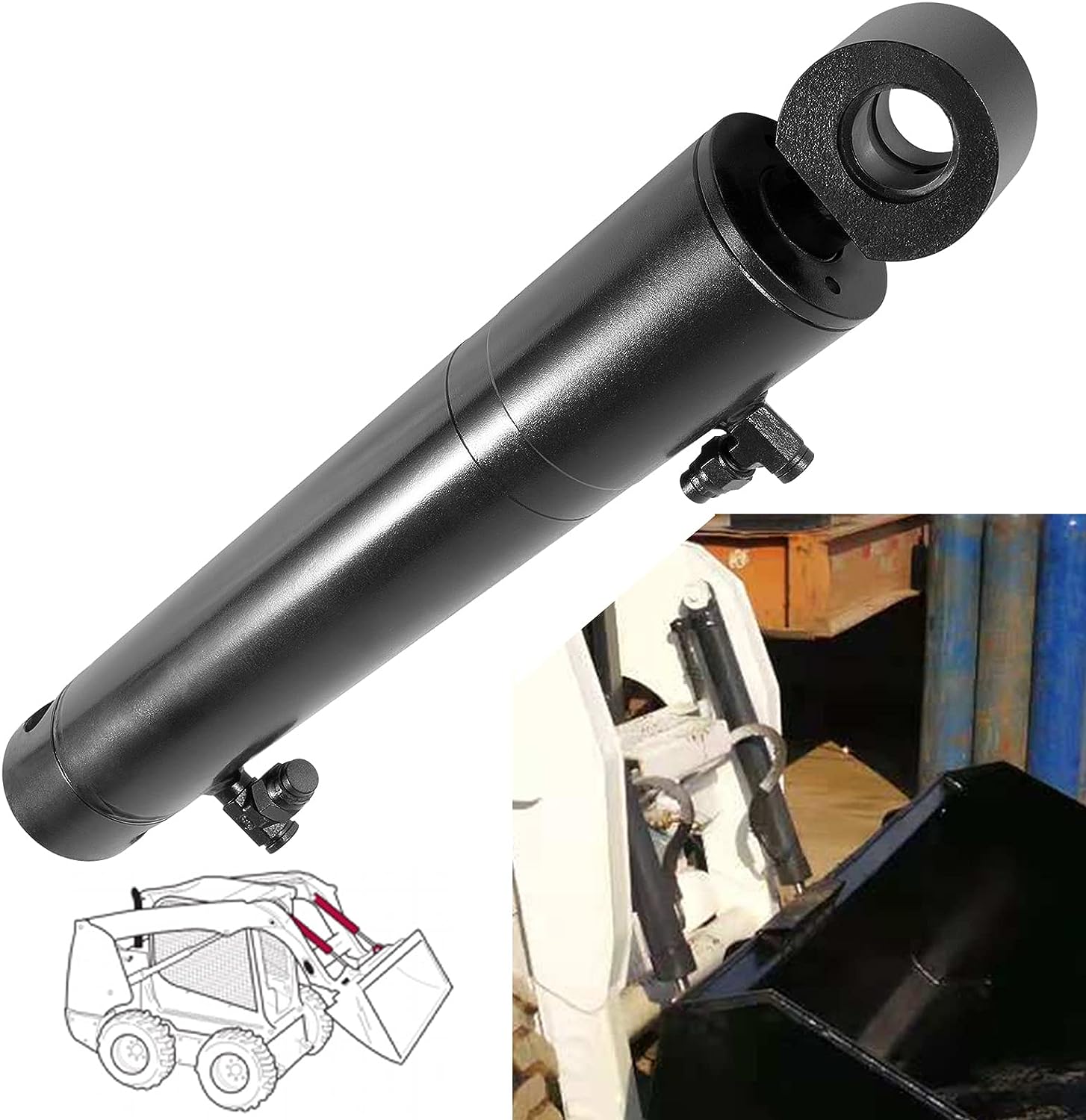
A tilt cylinder plays a crucial role in achieving precise equipment tilt control. It provides the necessary force and control mechanisms to enable controlled and accurate tilting movements. Here’s a detailed explanation of how a tilt cylinder contributes to precise equipment tilt control:
- Force Generation: A tilt cylinder is a hydraulic component that generates the force required to tilt or angle the equipment. It consists of a cylinder housing, piston, and rod assembly. When hydraulic pressure is applied to the cylinder, the piston moves, exerting force on the attached component. The force generated by the tilt cylinder allows for precise and controlled tilting of the equipment.
- Controlled Fluid Flow: Tilt cylinders utilize hydraulic fluid to transmit force and control the tilting movement. The flow of hydraulic fluid is regulated by control valves, which allow operators to control the speed, extent, and direction of the tilt. By adjusting the control valves, operators can achieve precise control over the fluid flow, enabling accurate and controlled tilting of the equipment.
- Range of Motion: Tilt cylinders provide a specific range of motion, allowing for controlled tilting within that range. The range of motion is determined by the design and construction of the cylinder, as well as the attachment points on the equipment. The defined range enables operators to tilt the equipment to the desired angle with precision, ensuring precise control over the tilt position.
- Feedback Mechanisms: Some tilt cylinders incorporate feedback mechanisms such as limit switches or sensors. These mechanisms provide real-time feedback on the position and angle of the tilted component. By monitoring the feedback, operators can precisely adjust the tilt cylinder to achieve the desired tilt angle. This feedback loop enhances the precision of equipment tilt control.
- Operator Input: Tilt cylinders are typically operated by equipment operators who have control over the hydraulic system. Operators can manipulate the control levers or buttons to adjust the hydraulic pressure and flow, thereby controlling the tilt cylinder’s movement. The operator’s skill and experience in operating the tilt cylinder contribute to achieving precise equipment tilt control.
By combining the force generation capabilities, controlled fluid flow, defined range of motion, feedback mechanisms, and operator input, a tilt cylinder enables precise control over the equipment’s tilt. This precision is essential for applications where accurate tilting is required, such as in construction, mining, agriculture, and material handling. The ability to achieve precise equipment tilt control enhances operational efficiency, productivity, and safety in various industries.


editor by CX 2024-02-09