
Tilt Cylinder in Glass Handling Equipment
Introduction
A tilt cylinder is a vital component in glass handling equipment, responsible for controlling the tilting motion of the equipment. Its main purpose is to ensure the safe and efficient handling of glass materials, minimizing the risk of damage and improving productivity.
Why Tilt Cylinder is Suitable for Glass Handling Equipment
- 1. Enhanced Stability: The tilt cylinder offers excellent stability during the handling process, preventing any sudden movements that could jeopardize the safety of the glass materials.
- 2. Precise Control: With advanced hydraulic technology, the tilt cylinder provides precise control over the tilting angle, allowing operators to handle glass materials with utmost accuracy.
- 3. Improved Efficiency: By incorporating a tilt cylinder into glass handling equipment, the process of tilting and maneuvering glass materials becomes faster and more efficient, resulting in increased productivity.
- 4. Load Bearing Capacity: Tilt cylinders are designed to withstand high loads, making them suitable for handling heavy glass panels or sheets.
- 5. Durability: Tilt cylinders are built to withstand rigorous working conditions, ensuring long-lasting performance and minimal downtime.
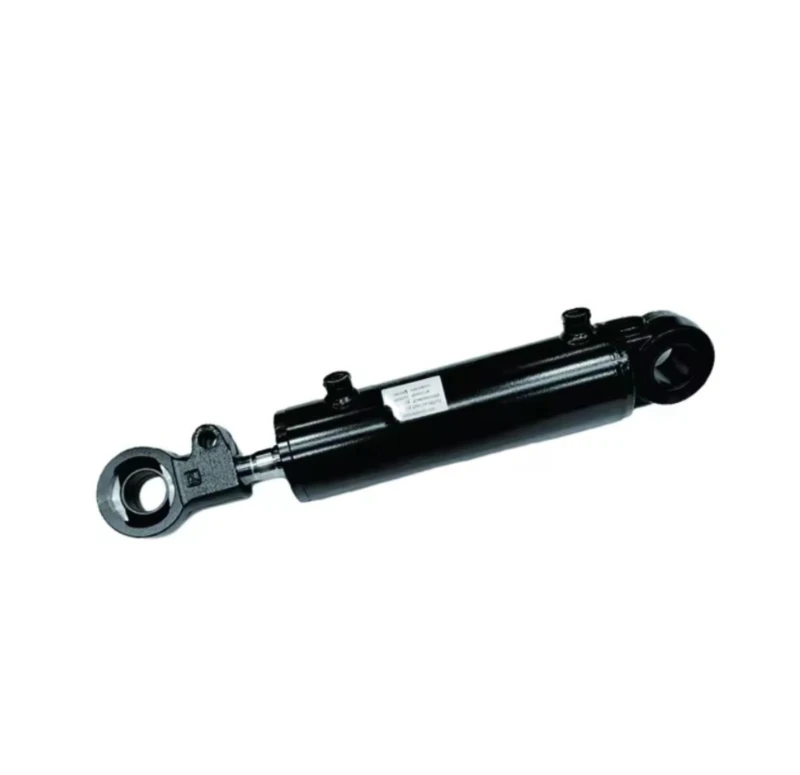
Working Principle of Tilt Cylinder
The tilt cylinder operates based on hydraulic principles, utilizing pressurized fluid to generate the necessary force for tilting the glass handling equipment. When hydraulic pressure is applied to one side of the cylinder, it extends, causing the equipment to tilt in the desired direction.
Choosing the Right Tilt Cylinder for Glass Handling Equipment
- 1. Load Capacity: Consider the weight of the glass materials to be handled and choose a tilt cylinder with an appropriate load capacity to ensure safe and efficient operation.
- 2. Stroke Length: Determine the required stroke length based on the tilting angle needed for the specific glass handling application.
- 3. Operating Pressure: Take into account the system’s operating pressure and select a tilt cylinder that can withstand and operate effectively under those conditions.
- 4. Mounting Style: Consider the mounting style required for the glass handling equipment and choose a tilt cylinder that is compatible with the mounting configuration.
- 5. Environmental Conditions: Assess the working environment, including temperature, humidity, and exposure to dust or chemicals, and select a tilt cylinder that can withstand those conditions without compromising performance.
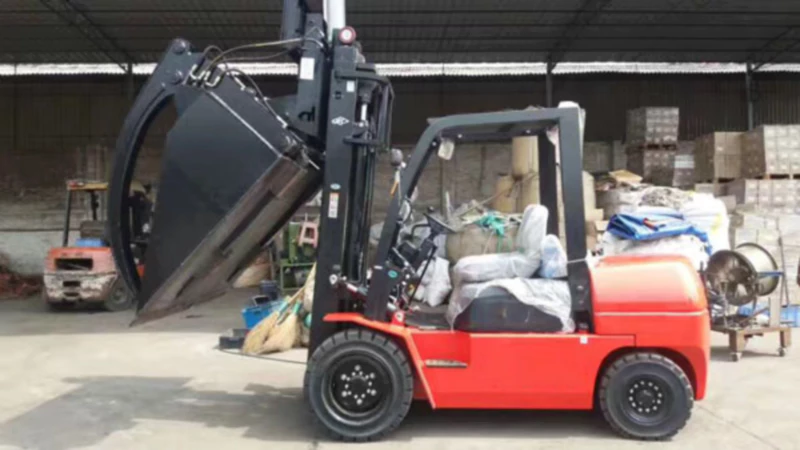
Installation of Tilt Cylinder
The installation of a tilt cylinder in glass handling equipment requires careful consideration and adherence to the manufacturer’s guidelines. It involves securely mounting the cylinder, connecting the hydraulic lines, and ensuring proper alignment for optimal performance.
About Our Company
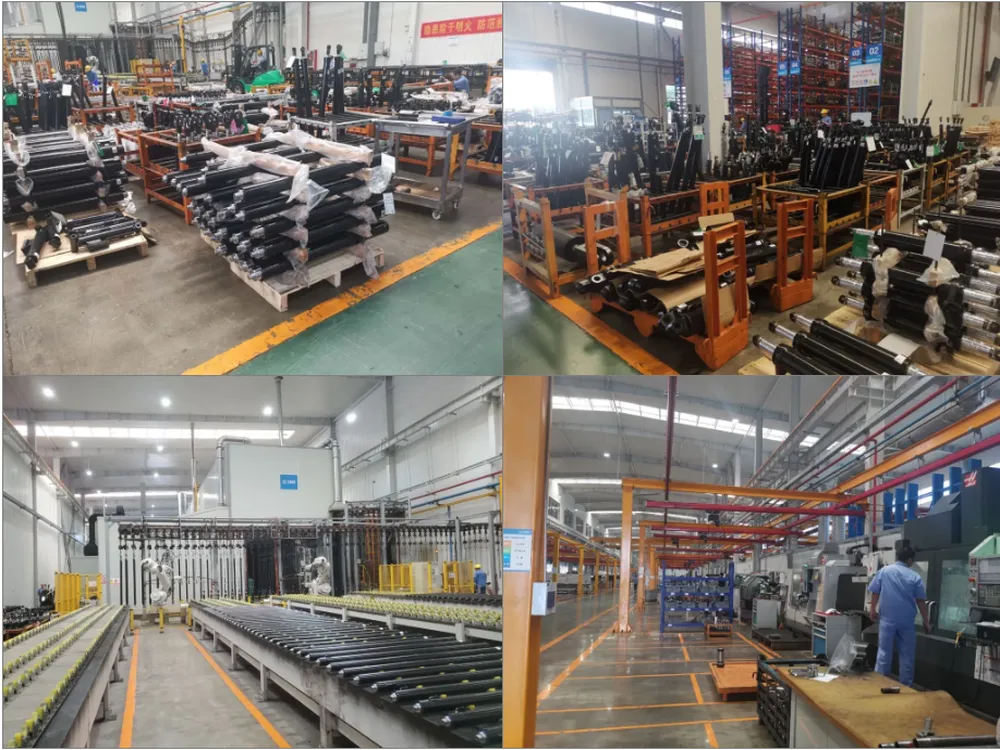
We are a comprehensive transmission equipment manufacturer specializing in the research, development, manufacturing, and sales of hydraulic cylinders. With over 15 years of experience in the design, production, and distribution of tilt cylinders, we have served clients in Europe, America, Africa, Asia, and earned a reputation for excellence in the market.
At our company, we strive to deliver the highest quality, energy-efficient, and reliable tilt cylinders. We have invested in advanced production and testing equipment, employed industry professionals for innovative research and development, and implemented standardized production management to ensure every aspect of tilt cylinder manufacturing meets the highest standards.
Our product range includes tilt cylinders, boom cylinders, forklift tilt cylinders, steering cylinders, small hydraulic cylinders, hydraulic pistons, and more. These products cater to various industries such as construction, agriculture, mining, aerospace, automotive, marine, and material handling.
Edited by Czh