
Tilt Cylinder for Heavy-Duty Construction Vehicles
Introduction
A tilt cylinder is an essential component in heavy-duty construction vehicles. It plays a crucial role in controlling the tilting motion of various equipment, such as excavator buckets and dozer blades. This blog post will explore the functionalities, advantages, working principles, selection criteria, installation process, and promotion of tilt cylinders in the construction industry. By the end of this article, you will have a comprehensive understanding of tilt cylinders’ application and why our company is the go-to choice for these hydraulic components.
1. The Functionality of Tilt Cylinder
Tilt cylinders enable the controlled tilting motion of heavy equipment attachments, providing enhanced maneuverability and versatility on construction sites. By using hydraulic pressure, these cylinders allow operators to precisely adjust the angle and position of the attached equipment, facilitating efficient digging, grading, and other essential operations.
2. Advantages of Tilt Cylinder in Construction Applications
When it comes to heavy-duty construction vehicles, tilt cylinders offer numerous advantages:
- Enhanced productivity: Tilt cylinders empower operators to achieve precise control over the equipment’s tilt angle, resulting in increased productivity and accuracy in various construction tasks.
- Improved flexibility: With the ability to adjust the tilt angle, construction vehicles equipped with tilt cylinders can adapt to different terrains and work conditions, ensuring optimal performance.
- Reduced material spillage: Tilt cylinders allow for controlled pouring and dumping of materials, minimizing spillage and ensuring efficient use of resources.
- Enhanced safety: By enabling operators to maintain better control over the equipment’s movements, tilt cylinders contribute to improved safety on construction sites, preventing accidents and potential injuries.
- Extended equipment lifespan: The precise and controlled movements facilitated by tilt cylinders minimize the wear and tear on heavy equipment, leading to a longer lifespan and reduced maintenance costs.
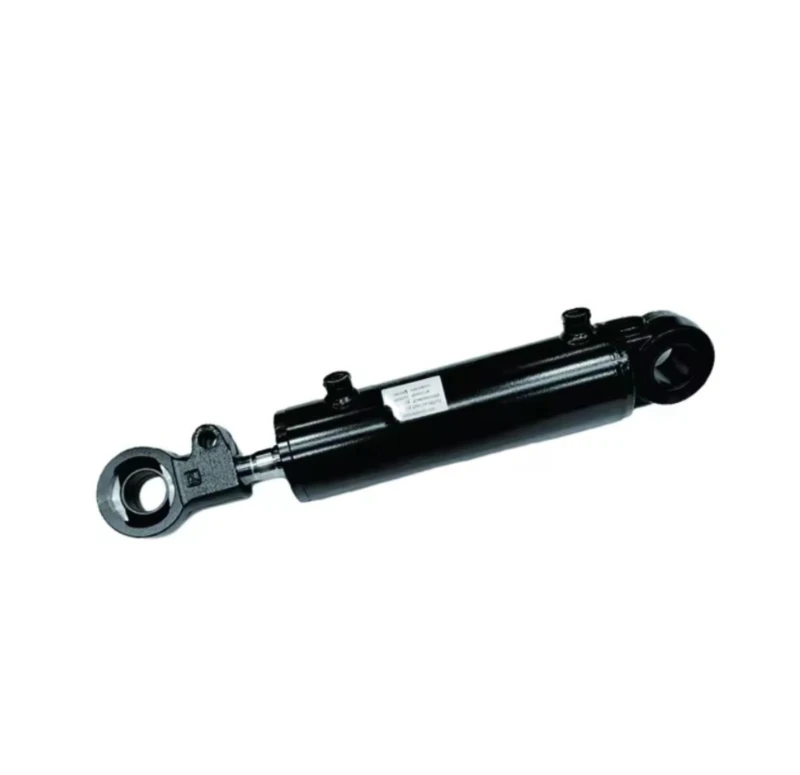
3. Working Principle of Tilt Cylinder
Tilt cylinders operate on the principle of hydraulic pressure. When hydraulic fluid is directed into the cylinder, it applies force on the piston, causing linear movement. This movement is then converted into the desired tilting motion, allowing for precise control over the equipment’s angle and position.
4. Selecting the Right Tilt Cylinder for Your Application
Choosing the appropriate tilt cylinder for your specific construction application is crucial for optimal performance and efficiency. Consider the following factors when selecting a tilt cylinder:
- Maximum load capacity: Ensure that the tilt cylinder can handle the maximum load capacity of your equipment.
- Operating pressure and speed: Select a tilt cylinder that matches the required operating pressure and speed for your application.
- Mounting specifications: Pay attention to the mounting specifications to ensure compatibility and easy installation.
- Sealing capabilities: Opt for a tilt cylinder with reliable sealing capabilities to prevent hydraulic fluid leakage and ensure long-lasting performance.
- Environmental conditions: Consider the environmental conditions (temperature, dust, moisture) in which the tilt cylinder will operate and choose a cylinder with appropriate protection measures.
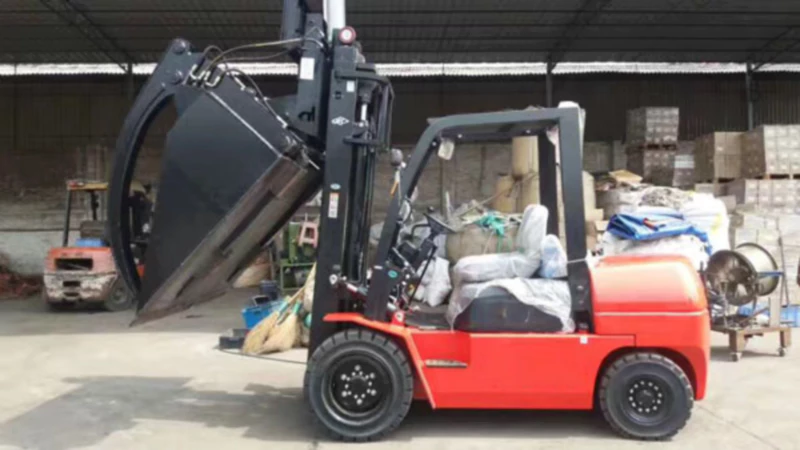
5. Installation Process of Tilt Cylinder
The installation of a tilt cylinder requires careful attention to detail to ensure proper functionality and safety. Follow these general steps:
- Prepare the equipment by removing any existing attachments or components that might interfere with the installation.
- Position the tilt cylinder in the designated mounting location and secure it using appropriate bolts and fasteners.
- Connect the hydraulic lines, ensuring correct routing and tight connections.
- Test the tilt cylinder by performing a thorough inspection of its movements and functions before commencing regular operations.
Conclusion
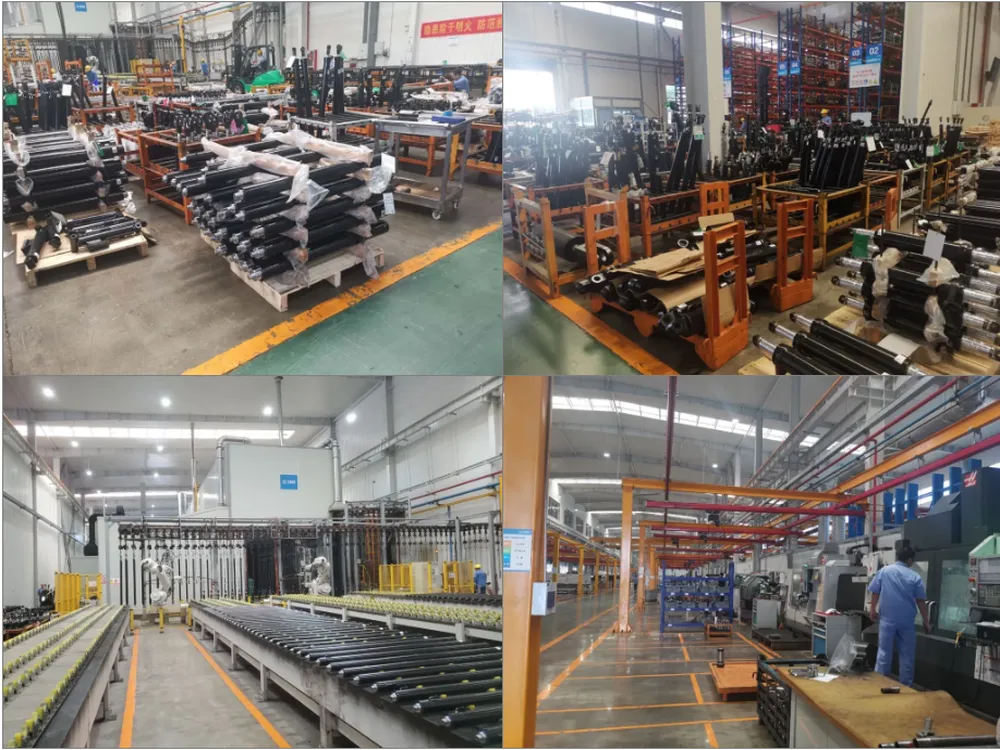
Our company takes pride in providing top-quality tilt cylinders for heavy-duty construction vehicles. With over 15 years of experience in design, production, manufacturing, and sales, we have established ourselves as a reputable manufacturer in the industry. Serving clients in Europe, America, Africa, Asia, and beyond, we have earned a strong reputation for delivering high-quality products, exceptional service, and competitive prices. Whether you need tilt cylinders, boom cylinders, forklift tilt cylinders, steering cylinders, small hydraulic cylinders, or hydraulic pistons, our comprehensive range of hydraulic components caters to diverse applications in the construction, agriculture, mining, aerospace, automotive, and material handling industries. Trust us for your hydraulic cylinder needs.
Edited by Czh.