
Tilt Cylinder Design for Safety Compliance
Hydraulic systems are an essential part of heavy machinery used in industries such as construction, agriculture, mining, and transportation. Tilt cylinders are an important component of hydraulic systems that are used to control the angle, height, and orientation of various parts of the machinery. In this article, we will discuss the design and safety compliance of tilt cylinders, their advantages, working principle, and how to select and install the right tilt cylinder for your application.
What are Tilt Cylinders?
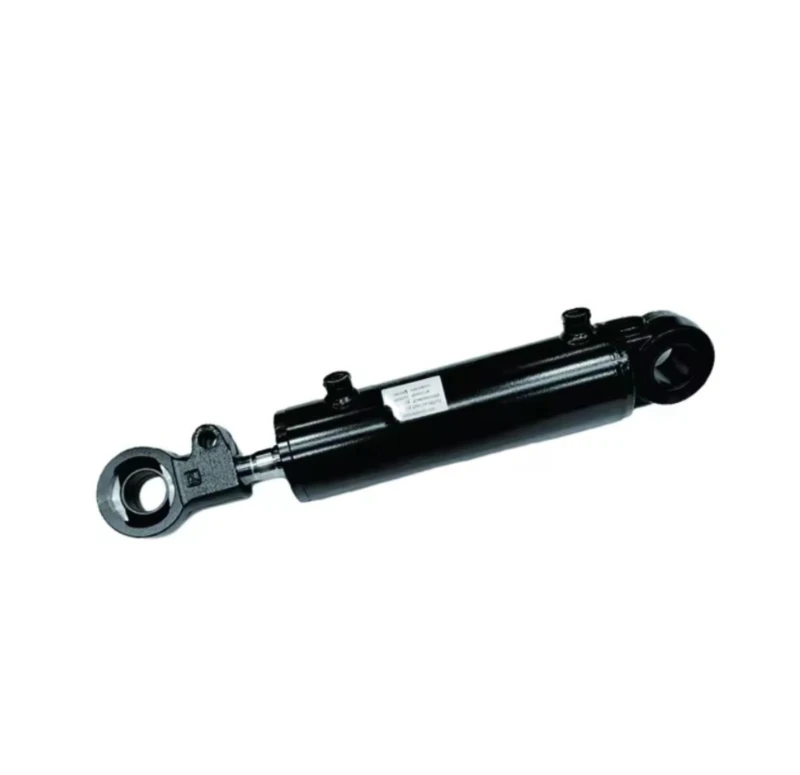
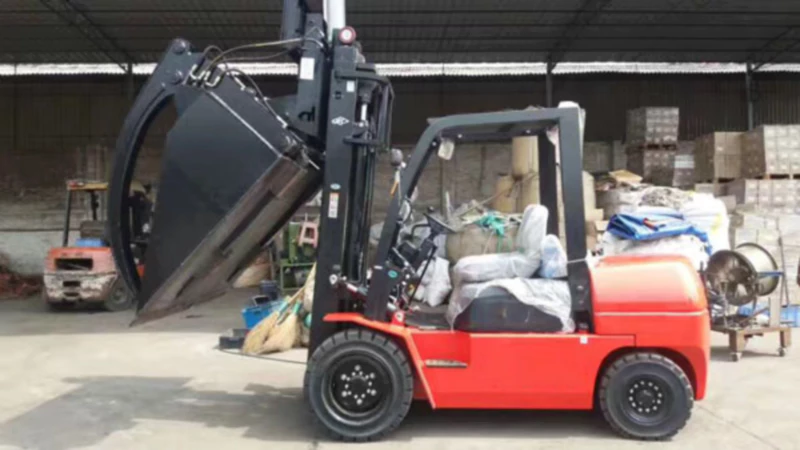
Tilt cylinders are hydraulic cylinders that are used to control the angle, height, and orientation of various parts of heavy machinery. They consist of a cylinder barrel, piston, piston rod, end caps, and seals. Tilt cylinders are used in a variety of applications such as excavators, bulldozers, dump trucks, and forklifts. They are powered by hydraulic fluid that is pumped into the cylinder to extend or retract the piston rod, which in turn moves the attached part of the machinery.
Design and Safety Compliance
Designing tilt cylinders for safety compliance is crucial to ensure the safe operation of heavy machinery. Tilt cylinders are designed to withstand high pressure, heavy loads, and harsh operating conditions. They must also meet safety standards such as ISO, ANSI, and ASME to ensure safe and reliable operation.
Materials and Construction
The materials used in tilt cylinder construction must be of high quality and able to withstand high pressure, heavy loads, and harsh environmental conditions. The cylinder barrel is usually made of high-strength steel and is precision machined to ensure a smooth and accurate surface finish. The piston rod is made of high-strength steel and is hard-chromed to resist wear and corrosion. The end caps are usually made of steel or aluminum and are designed to withstand high pressure and prevent leaks. Seals are made of high-quality materials such as Nitrile, Polyurethane, or Fluorocarbon to ensure a reliable seal and prevent leakage.
Testing and Certification
Tilt cylinders must undergo rigorous testing and certification to ensure they meet safety standards and are suitable for the intended application. Testing includes pressure testing, performance testing, and fatigue testing. Certification is usually provided by independent testing organizations such as TUV, UL, or CSA.
Advantages of Tilt Cylinders
Tilt cylinders offer several advantages over traditional mechanical systems such as levers, gears, and pulleys. Here are some of the advantages of tilt cylinders:
- Precise control over the angle, height, and orientation of parts of heavy machinery
- Quick and easy operation
- Reduced maintenance and downtime
- Improved safety and operator comfort
- Increased productivity and efficiency
Working Principle
The working principle of tilt cylinders is based on the Pascal’s law of fluid mechanics, which states that pressure applied to a confined fluid is transmitted equally in all directions. When hydraulic fluid is pumped into the cylinder, it exerts pressure on the piston, which in turn moves the piston rod. The movement of the piston rod is used to control the angle, height, and orientation of various parts of heavy machinery.
How to Select the Right Tilt Cylinder
Selecting the right tilt cylinder for your application is crucial to ensure safe and reliable operation. Here are some factors to consider when selecting a tilt cylinder:
Size and Capacity
The size and capacity of the tilt cylinder should be matched to the size and weight of the machinery it will be used on. A cylinder that is too small may not be able to handle the load, while a cylinder that is too large may be too heavy and difficult to control.
Stroke Length
The stroke length of the tilt cylinder should be matched to the range of motion required by the machinery. A cylinder with a shorter stroke length may not be able to provide the required range of motion, while a cylinder with a longer stroke length may be too bulky and difficult to control.
Mounting Style
The mounting style of the tilt cylinder should be compatible with the mounting points on the machinery. There are various mounting styles such as flange, clevis, and trunnion mounts.
Seal Type
The seal type of the tilt cylinder should be compatible with the type of hydraulic fluid used in the machinery. There are various seal types such as Nitrile, Polyurethane, and Fluorocarbon.
Operating Conditions
The operating conditions of the tilt cylinder should be compatible with the environmental conditions of the machinery. There are various operating conditions such as temperature, pressure, and humidity.
Installation
The installation of tilt cylinders should be done by qualified personnel who are familiar with hydraulic systems and safety procedures. Here are some steps to follow when installing a tilt cylinder:
- Ensure proper alignment of the cylinder and the attached part of the machinery
- Securely mount the cylinder to the machinery using appropriate fasteners
- Connect the hydraulic hoses to the cylinder and the hydraulic system
- Check for leaks and ensure proper operation of the cylinder
- Perform a test run of the machinery to ensure safe and reliable operation
About Our Company
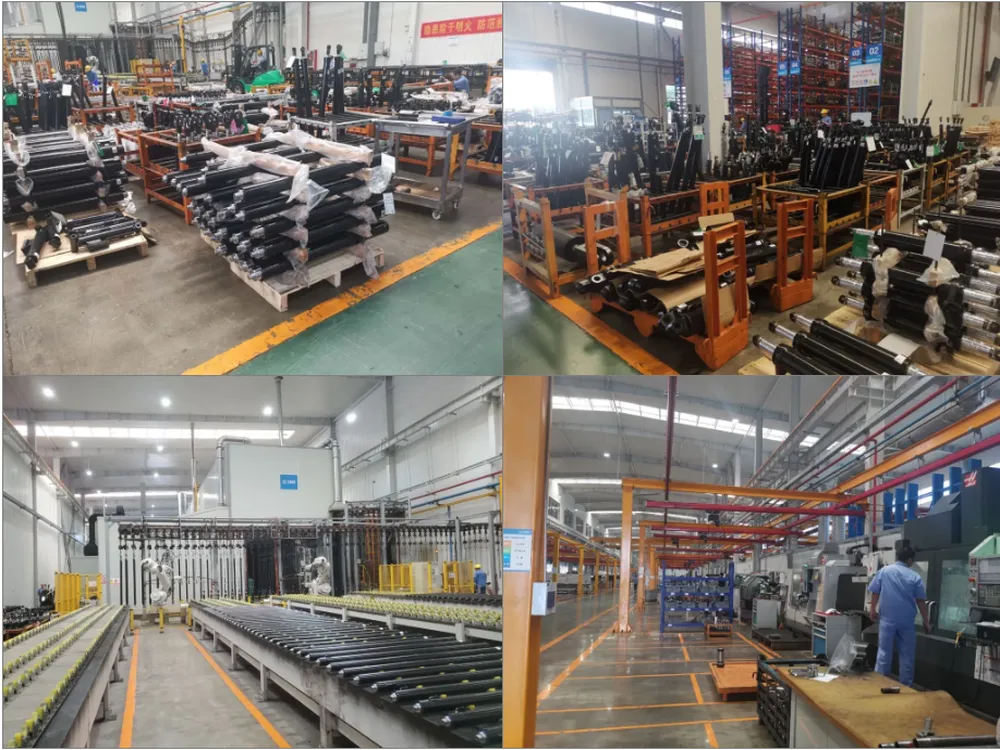
We are a leading manufacturer of hydraulic cylinders for heavy machinery with over 15 years of experience in design, production, and sales. Our products are used in a wide range of industries such as construction, agriculture, mining, and transportation. We are committed to providing our customers with high-quality products, efficient service, and competitive prices. Our products are certified by independent testing organizations and meet safety standards such as ISO, ANSI, and ASME. We offer a wide range of tilt cylinders, boom cylinders, forklift tilt cylinders, steering cylinders, small hydraulic cylinders, and hydraulic pistons. Our main customers are in Europe and America, and we are known for our excellent product quality and reliable service.
Conclusion
Tilt cylinders are an important component of hydraulic systems used in heavy machinery. They offer precise control over the angle, height, and orientation of various parts of the machinery, which improves safety, productivity, and efficiency. Selecting and installing the right tilt cylinder is crucial to ensure safe and reliable operation. Our company offers a wide range of tilt cylinders and is committed to providing our customers with high-quality products, efficient service, and competitive prices. Contact us today to learn more about our products and services.
Edited by Czh.