
Tilt Cylinder for Mobile Hydraulic Equipment
Introduction
A tilt cylinder is a crucial component in mobile hydraulic equipment, providing controlled movement for various applications. In this blog post, we will explore the functionalities, advantages, working principles, selection criteria, and installation process of a tilt cylinder.
Functionality of Tilt Cylinder
A tilt cylinder allows controlled tilting or rotating movement in mobile hydraulic equipment. It is commonly used in construction machinery, agricultural equipment, mining machinery, aerospace industry, automotive industry, marine industry, and material handling applications.
1. Enhanced Equipment Performance
The tilt cylinder enables precise control of the equipment’s tilt or rotation, resulting in improved performance and maneuverability. It allows operators to easily adjust the equipment’s position and achieve optimal working angles.
2. Increased Productivity
By providing efficient and reliable tilting or rotating capabilities, the tilt cylinder helps enhance productivity in various industry applications. It enables quicker and more accurate positioning, reducing downtime and increasing overall efficiency.
3. Improved Safety
The tilt cylinder ensures safe operation by enabling controlled movement and preventing sudden tilts or rotations. It enhances equipment stability, reducing the risk of accidents and potential damage to the surrounding environment.
4. Versatility and Adaptability
Tilt cylinders are designed to be compatible with a wide range of mobile hydraulic equipment. They offer versatility and adaptability, allowing equipment to perform different tasks and adjust to varying terrain conditions.
5. Longevity and Durability
Tilt cylinders are built to withstand heavy loads, harsh environments, and frequent use. They are constructed with high-quality materials and undergo rigorous testing, ensuring long-lasting performance and durability.
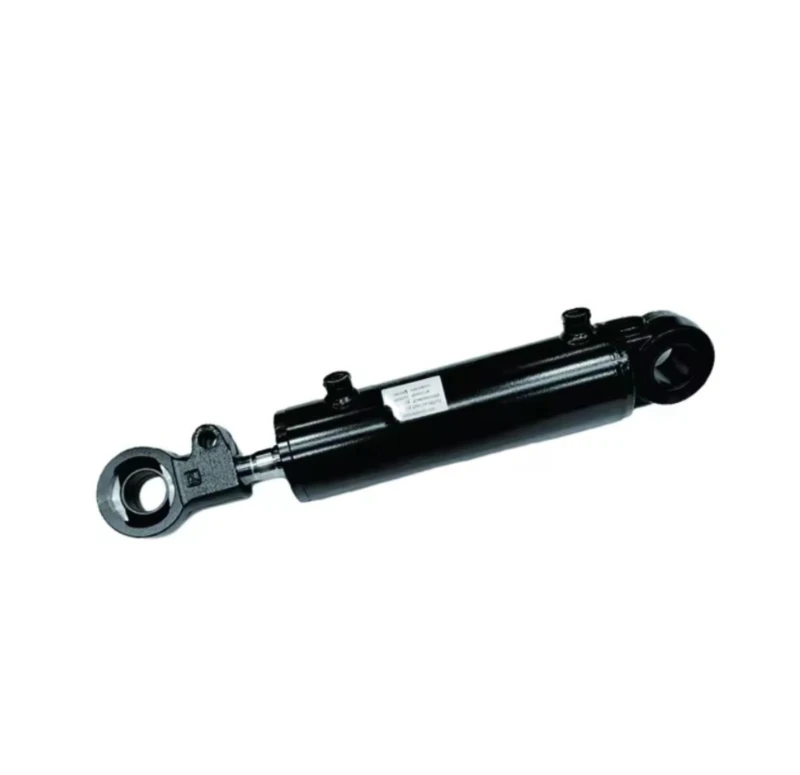
Working Principle of Tilt Cylinder
A tilt cylinder operates based on the principles of hydraulic power. Inside the cylinder, hydraulic fluid is pressurized, creating force that pushes the piston, causing the rod to extend or retract. The movement of the rod translates into tilting or rotating motion in the connected equipment.
Selection Criteria for Tilt Cylinder
When selecting a tilt cylinder for a specific application, several factors should be considered:
1. Load Capacity
The tilt cylinder should be capable of handling the maximum load requirements of the equipment it will be installed on. It is essential to choose a cylinder with the appropriate load capacity to ensure safe and efficient operation.
2. Operating Pressure
Determining the required operating pressure is crucial for selecting a suitable tilt cylinder. The cylinder should be able to withstand and operate within the specified pressure range of the hydraulic system it will be integrated into.
3. Stroke Length
The stroke length of the tilt cylinder should be compatible with the equipment’s range of tilting or rotating motion. It should provide sufficient travel distance to achieve the desired angles and positions.
4. Mounting Options
The tilt cylinder should have appropriate mounting options to ensure easy installation and compatibility with the equipment’s structure. Different mounting configurations, such as trunnion and clevis mounts, may be available to suit specific requirements.
5. Environmental Considerations
Environmental factors, such as temperature, moisture, and contamination levels, should be taken into account when selecting a tilt cylinder. Choosing a cylinder with suitable seals and materials for the operating environment can enhance its longevity and performance.
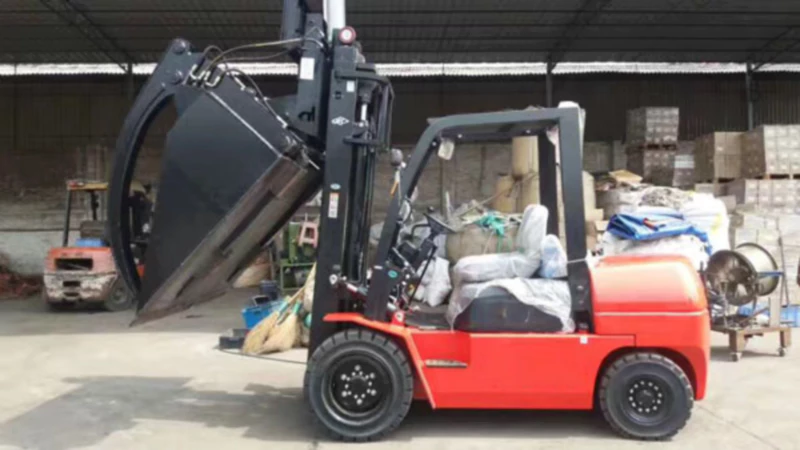
Installation of Tilt Cylinder
The installation process for a tilt cylinder may vary depending on the specific equipment and mounting requirements. It is essential to follow the manufacturer’s instructions and guidelines for proper installation. Generally, the installation involves:
1. Positioning
Identify the appropriate location on the equipment where the tilt cylinder will be mounted. Ensure that it allows for the desired range of tilting or rotating motion and does not interfere with other components.
2. Mounting
Securely attach the tilt cylinder to the equipment’s structure using the specified mounting brackets or adapters. Follow the recommended torque values and tightening procedures to ensure proper attachment.
3. Plumbing
Connect the hydraulic hoses or tubing to the appropriate ports on the tilt cylinder. Ensure proper sealing and tight connections to prevent fluid leakage.
4. Testing and Adjustment
After installation, thoroughly test the tilt cylinder’s functionality and movement. Make any necessary adjustments to achieve the desired tilting or rotating angles and ensure smooth operation.
About Our Company
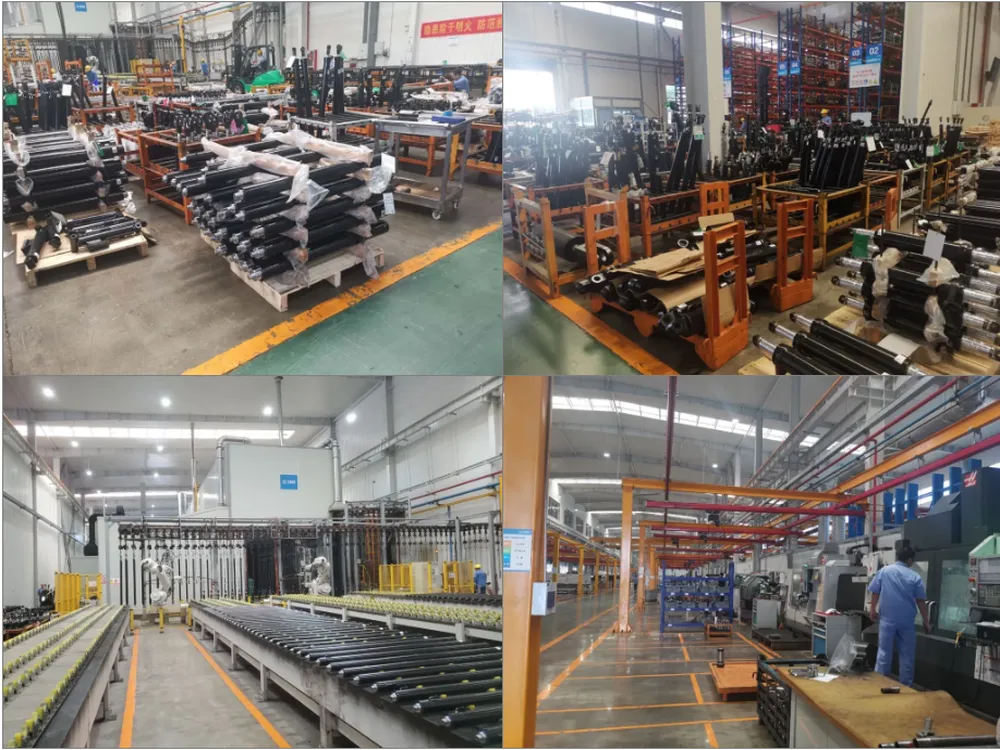
We are a comprehensive transmission equipment manufacturer specializing in the research, development, manufacturing, and sales of hydraulic cylinders. With over 15 years of experience in the design, production, and manufacturing of tilt cylinders, we have served customers in Europe, America, Africa, Asia, and earned a reputation for providing top-quality products and services.
Our company is equipped with advanced production and testing equipment, and our team of industry professionals continuously innovates in research and development. We adhere to standardized production management to ensure every aspect of tilt cylinder production meets the highest standards of quality, energy efficiency, and stability. Our extensive product range includes tilt cylinders, boom cylinders, forklift tilt cylinders, steering cylinders, small hydraulic cylinders, and hydraulic pistons.
Our products find wide applications in the construction industry, agriculture, mining, aerospace industry, automotive industry, marine industry, material handling, and more. We are highly regarded by our customers for our superior products, excellent service, and competitive prices.
Edited by Czh.