
Product Description
Cheap custom Hydraulic Outrigger Cylinder for Mobile Crane
Hydraulic Outrigger Cylinder for Mobile Cranes
A hydraulic outrigger cylinder is a specific type used in mobile cranes to extend and retract the outriggers or stabilizers. Outriggers are deployed to provide stability and support to the mobile crane during lifting operations, especially when working with heavy loads or on uneven terrain.
Here’s an overview of the hydraulic outrigger cylinder and its role in a mobile crane:
-
Function: The hydraulic outrigger cylinder is responsible for extending and retracting the outriggers of a mobile crane. The outriggers are hydraulic or mechanical legs that extend horizontally from the sides of the crane’s chassis or superstructure. By extending the outriggers, the crane increases its stability and prevents tipping during lifting operations.
-
Hydraulic System: The hydraulic outrigger cylinder is part of the crane’s hydraulic system, which includes a hydraulic pump, reservoir, control valves, and hydraulic lines. The hydraulic pump pressurizes hydraulic fluid, typically oil or specialized hydraulic fluid, which is then directed to the outrigger cylinder for extension and retraction.
-
Cylinder Design: The hydraulic outrigger cylinder is usually a double-acting hydraulic cylinder. It consists of a cylindrical tube, a piston, and a piston rod. The piston divides the cylinder into 2 chambers, allowing hydraulic fluid to act on both sides of the piston to extend or retract the cylinder.
-
Outrigger Connection: The hydraulic outrigger cylinder is connected between the crane’s chassis or superstructure and the outrigger. One end of the cylinder is attached to the crane’s structure, while the other end is connected to the outrigger leg. As the cylinder extends or retracts, it controls the movement of the outrigger, allowing it to be positioned at the desired length.
-
Control and Operation: The hydraulic outrigger cylinder is controlled by the crane operator through the crane’s control system. The operator can activate the hydraulic valves or switches to extend or retract the outriggers. The outriggers are usually extended and retracted 1 at a time or in a specific sequence to ensure stability and balance.
-
Safety Features: Mobile cranes equipped with hydraulic outrigger cylinders often incorporate safety features to prevent overloading or unintended movements. These may include load moment indicators (LMIs) or crane control systems that monitor the crane’s operating conditions and provide feedback to the operator regarding the crane’s load capacity and safe working limits.
-
Maintenance and Inspection: Regular maintenance and inspection of the hydraulic outrigger cylinder and the entire hydraulic system are essential to ensure safe and reliable crane operation. This includes checking for leaks, ensuring proper lubrication, inspecting seals, connections, and hydraulic lines, and following the manufacturer’s recommended maintenance schedule and guidelines.
What are some common maintenance tasks for hydraulic outrigger cylinders?
-
Visual Inspection: Regularly inspect the hydraulic outrigger cylinder for any signs of damage, such as leaks, dents, corrosion, or loose connections. Check the cylinder body, piston rod, mounting brackets, and hydraulic lines for any abnormalities.
-
Cleanliness: Ensure that the hydraulic outrigger cylinder and its surrounding area are kept clean to prevent dirt, debris, or contaminants from entering the cylinder. Clean the exterior surfaces using a soft cloth or brush and remove any accumulated dirt or grime.
-
Lubrication: Follow the manufacturer’s recommendations for lubrication intervals and use the appropriate lubricant. Apply lubrication to the cylinder’s moving parts, such as the piston rod, seals, and hinges, as specified. This helps reduce friction and wear, ensuring smooth operation.
-
Seal Inspection: Inspect the seals of the hydraulic outrigger cylinder for any signs of wear, damage, or leakage. Replace worn or damaged seals promptly to maintain proper sealing and prevent fluid leaks.
-
Fluid Level and Quality: Check the hydraulic fluid level in the reservoir and ensure it is within the recommended range. Monitor the fluid quality, looking for signs of contamination or degradation. If necessary, drain and replace the hydraulic fluid following the manufacturer’s guidelines.
-
Cylinder Alignment: Verify that the hydraulic outrigger cylinder is properly aligned and centered during operation. Misalignment can lead to uneven wear, reduced performance, and potential damage to the cylinder or mounting points. Adjust the alignment as needed.
-
Pressure Testing: Periodically perform pressure testing on the hydraulic outrigger cylinder to ensure it can handle the required loads and pressures. This can be done by a qualified technician using specialized equipment to verify the cylinder’s pressure-holding capacity.
-
System Flushing: If there are signs of contamination or degraded fluid quality, consider performing a system flush to remove any contaminants or impurities. This involves draining the hydraulic system, flushing it with clean fluid, and refilling it with fresh hydraulic fluid.
-
Documentation and Records: Maintain detailed records of maintenance tasks, inspections, and repairs performed on the hydraulic outrigger cylinders. This helps track the maintenance history, identify recurring issues, and ensure proper maintenance intervals are followed.
Our Company
We have a first-class independent R&D platform for assembly. The forklift cylinder production workshop has 4 semi-automatic lifting cylinder assembly lines and 1 fully automatic tilting cylinder assembly line, with a designed annual production capacity of 1 million pieces; the special cylinder workshop is equipped with semi-automatic cleaning and assembly systems of various specifications, with a designed annual production capacity of 200,000 essays. It has famous CNC machining equipment, machining centers, special equipment for high-precision cylinder processing, robot welding machines, automatic cleaning machines, automatic cylinder assembly machines, and automatic paint production lines. We have more than 300 sets of critical equipment running. The optimized allocation and efficient utilization of equipment resources ensure the precision requirements of the products and meet the high standard quality requirements of the products.
|
Forklift cylinder assembly shop |
Other types of cylinder assembly shop |
Welding
Painting & coating
|
Painting & coating line |
Fully automatic water-based |
Testing
To further improve product performance, and establish the leadership position of our hydraulic cylinder in the industry, our company and zjimee jointly established a Comprehensive performance laboratory of hydraulic cylinders, hydraulic valves, and hydraulic pumps; the lab is computer-assisted testing, using electro-hydraulic control technology, the test conditions preset by computer, which improves the test accuracy and system versatility, and the experimental data.
The automatic collection is realized through the application of sensors, and the output data, such as the internal leakage and load efficiency of the cylinder or the valve, are directly processed by the computer and converted to standard units (ml/min; %). At the same time, to ensure the working safety of the hydraulic system, the state monitoring function is carried out for key performance parameters, such as “oil temperature monitoring, liquid level monitoring, filter device monitoring,” etc. Among them, the hydraulic cylinder test stand can test the performance of “load efficiency” and “internal leakage” by readings. At the same time, it is equipped with a grating ruler measuring instrument, which meets the requirements of all test items of hydraulic cylinder products in the national standard.
Our Factory
Packaging & Shipping
| Certification: | GS, RoHS, CE, ISO9001 |
|---|---|
| Pressure: | High Pressure |
| Work Temperature: | Normal Temperature |
| Acting Way: | Double Acting |
| Working Method: | Rotary |
| Adjusted Form: | Regulated Type |
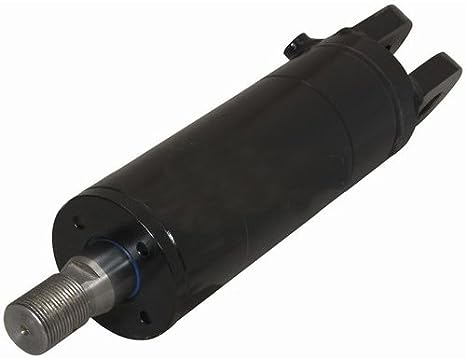
Can tilt cylinders be used in manufacturing machinery for material processing?
Yes, tilt cylinders can be used in manufacturing machinery for material processing. These cylinders offer several advantages that enhance the efficiency, versatility, and precision of material processing operations. Here’s a detailed explanation:
- Tilt Angle Adjustment: Tilt cylinders allow for precise tilt angle adjustment of equipment attachments, such as cutting tools, milling heads, or processing platforms. This adjustability enables operators to achieve the desired tilt angle for material processing tasks. By controlling the tilt angle, operators can optimize the cutting or processing angle, resulting in improved accuracy, quality, and efficiency.
- Material Positioning: Tilt cylinders assist in proper material positioning during processing. By adjusting the tilt angle of the equipment, operators can align the material in the ideal position for cutting, shaping, or other processing operations. This ensures consistent material engagement with the cutting tools or processing surfaces, minimizing errors and improving overall precision.
- Enhanced Accessibility: Tilt cylinders provide enhanced accessibility to the material being processed. By tilting the equipment, operators can gain better access to different areas of the material, even hard-to-reach or complex surfaces. This accessibility facilitates efficient processing and allows for the execution of intricate operations with greater ease.
- Process Optimization: Tilt cylinders contribute to process optimization by enabling operators to adjust the tilt angle based on specific material characteristics or processing requirements. For instance, certain materials may require a specific tilt angle to achieve optimal chip removal during cutting or to enhance the efficiency of material shaping. The ability to optimize the tilt angle enhances process control and ensures the desired output quality.
- Flexibility in Material Handling: Tilt cylinders provide flexibility in material handling during processing operations. They allow for the tilting of workpieces or platforms, enabling operators to orient the material in the most suitable position for processing. This flexibility accommodates various material shapes, sizes, and orientations, expanding the range of materials that can be effectively processed using the machinery.
- Integration with Automation: Tilt cylinders can be integrated with automation systems in manufacturing machinery. This integration enables automated tilt angle adjustments based on predefined parameters or sensor feedback. By incorporating tilt cylinders into automated material processing systems, manufacturers can achieve consistent and repeatable processing results, reduce manual intervention, and improve overall productivity.
Therefore, tilt cylinders can be effectively utilized in manufacturing machinery for material processing. Whether it involves tilt angle adjustment, material positioning, enhanced accessibility, process optimization, flexibility in material handling, or integration with automation, tilt cylinders contribute to improving the efficiency, precision, and versatility of material processing operations in the manufacturing industry.
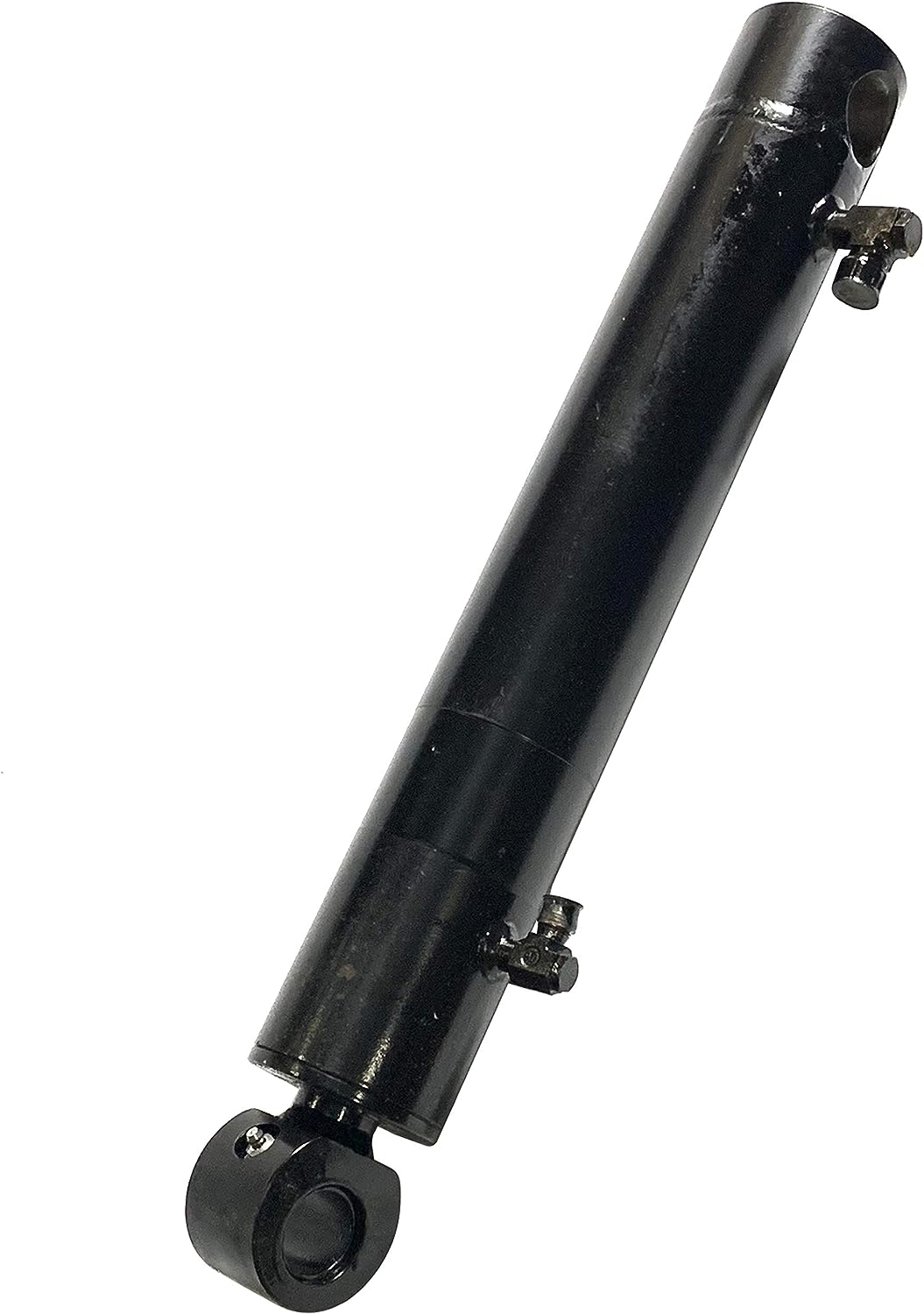
Can tilt cylinders be used in both mobile and stationary machinery?
Yes, tilt cylinders can be used in both mobile and stationary machinery. They are versatile components that find application in various types of equipment across different industries. Here’s a detailed explanation:
- Mobile Machinery: Tilt cylinders are commonly used in mobile machinery, such as construction equipment, agricultural machinery, mining vehicles, and forestry equipment. In these applications, tilt cylinders enable the adjustment of attachments or implements, allowing operators to achieve the desired angle or position. For example, in construction excavators, tilt cylinders enable the tilting of the bucket to precisely control the excavation or material handling process. The ability to tilt attachments enhances the versatility and performance of mobile machinery in different job site conditions.
- Stationary Machinery: Tilt cylinders are also utilized in stationary machinery, including industrial presses, material handling systems, hydraulic presses, and waste compactors. In these applications, tilt cylinders provide controlled tilting or positioning of components or workpieces. For instance, in industrial presses, tilt cylinders facilitate the tilting of the press bed or ram, enabling precise alignment and adjustment for various manufacturing processes. Stationary machinery benefits from tilt cylinders by enhancing operational efficiency, accuracy, and adaptability to different work requirements.
- Interchangeability: One of the advantages of tilt cylinders is their interchangeability between different types of machinery. Tilt cylinders are typically designed to be easily attached and detached, allowing for convenient installation and removal. This interchangeability enables equipment manufacturers and operators to utilize tilt cylinders across a range of machinery, providing flexibility and cost-effectiveness.
- Customization: Tilt cylinders can be customized to suit specific mobile or stationary machinery requirements. Manufacturers can design and manufacture tilt cylinders with varying force capacities, stroke lengths, mounting options, and other specifications to meet the unique needs of different equipment. This customization ensures optimal performance and compatibility with diverse machinery applications.
- Industry Applications: Tilt cylinders find applications in a wide range of industries, including construction, agriculture, mining, forestry, manufacturing, waste management, and more. Their versatility makes them suitable for different equipment types, such as excavators, loaders, dozers, cranes, presses, and compactors. Tilt cylinders contribute to improved functionality, productivity, and safety in these industries, irrespective of whether the machinery is mobile or stationary.
Therefore, tilt cylinders are adaptable components that can be used in both mobile and stationary machinery. Their versatility, interchangeability, customization options, and wide industry applications make them valuable for achieving controlled tilting and enhancing performance in various equipment types.
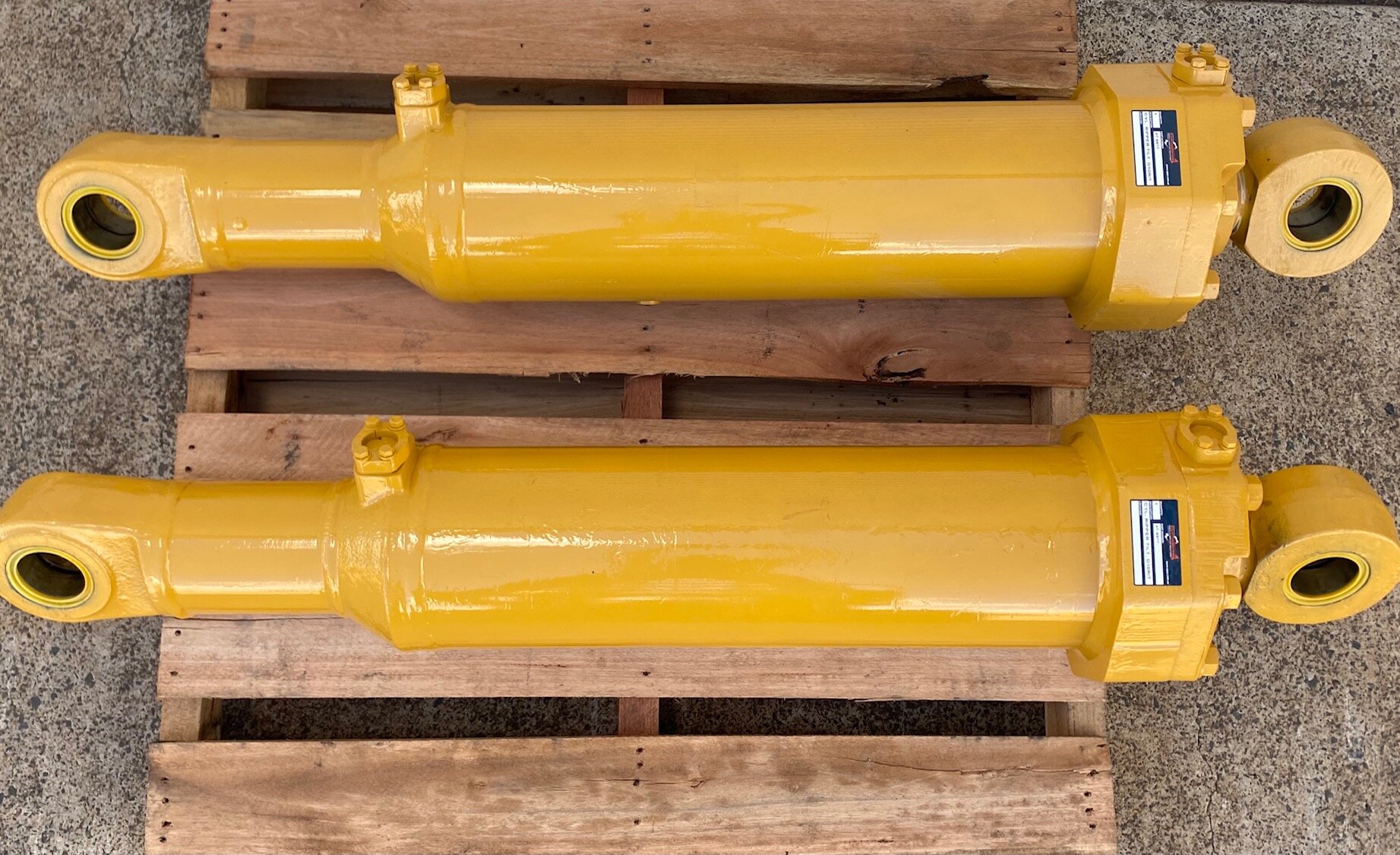
How does a tilt cylinder differ from other types of hydraulic cylinders?
A tilt cylinder has specific characteristics and functionalities that differentiate it from other types of hydraulic cylinders. While hydraulic cylinders serve various purposes in different applications, here are the key ways in which a tilt cylinder differs:
- Tilting Functionality: The primary distinction of a tilt cylinder is its ability to provide controlled tilting or angling of components. Unlike other hydraulic cylinders that primarily focus on linear motion, a tilt cylinder is specifically designed to enable angular movement. It allows for the adjustment of the working angle of attachments, such as buckets or blades, in heavy machinery.
- Mounting Orientation: Tilt cylinders are typically mounted in a horizontal or near-horizontal orientation, allowing for effective tilting movement. In contrast, other hydraulic cylinders may be mounted vertically, horizontally, or at various angles depending on their specific application requirements.
- Range of Motion: While other hydraulic cylinders may have a limited range of motion, typically in the form of extending or retracting the piston rod, a tilt cylinder offers a broader range of motion. It allows for continuous and controlled tilting action within a specific angular range, providing flexibility and adaptability in heavy machinery operations.
- Control Mechanisms: Tilt cylinders often require specialized control mechanisms to regulate the tilting movement accurately. Hydraulic systems controlling tilt cylinders incorporate valves, pressure regulators, and other components specifically designed for precise control of the angular motion. In contrast, other hydraulic cylinders may utilize different control mechanisms tailored to their particular linear motion requirements.
- Application-Specific Design: Tilt cylinders are engineered to meet the specific demands of heavy machinery applications that involve tilting or angling of components. They are designed to withstand high loads, provide precise control, and ensure reliable performance in challenging work environments. Other types of hydraulic cylinders, such as single-acting, double-acting, telescopic, or differential cylinders, are designed for different purposes and may have distinct structural and functional features.
While tilt cylinders share the fundamental principles of hydraulic cylinders, their specialization in tilting functionality sets them apart from other types of hydraulic cylinders. The unique design, mounting orientation, range of motion, control mechanisms, and application-specific characteristics make tilt cylinders suitable for tasks that require controlled angular movement in heavy machinery applications.
In conclusion, a tilt cylinder differs from other types of hydraulic cylinders through its dedicated focus on providing controlled tilting functionality, specialized design, and specific mounting orientation. These distinctions enable tilt cylinders to fulfill the unique requirements of heavy machinery applications involving angular adjustments and enhance the versatility and performance of the equipment.


editor by CX 2023-11-21