
Tilt Cylinder in Automotive Applications
Introduction
The tilt cylinder is an essential component used in various automotive applications. Its primary function is to provide controlled tilting movement to different parts of vehicles, such as the cabin, cargo bed, or hydraulic systems. In this blog post, we will explore the significance of tilt cylinders in automotive applications and discuss their working principle, selection criteria, installation process, and the advantages they offer.
1. Importance of Tilt Cylinder in Automotive Applications
1.1 Enhancing Vehicle Maneuverability
The tilt cylinder plays a crucial role in improving vehicle maneuverability by providing controlled tilting movement. This allows the driver to adjust the vehicle’s angle and optimize its performance in different terrains or working conditions.
1.2 Increasing Load Handling Efficiency
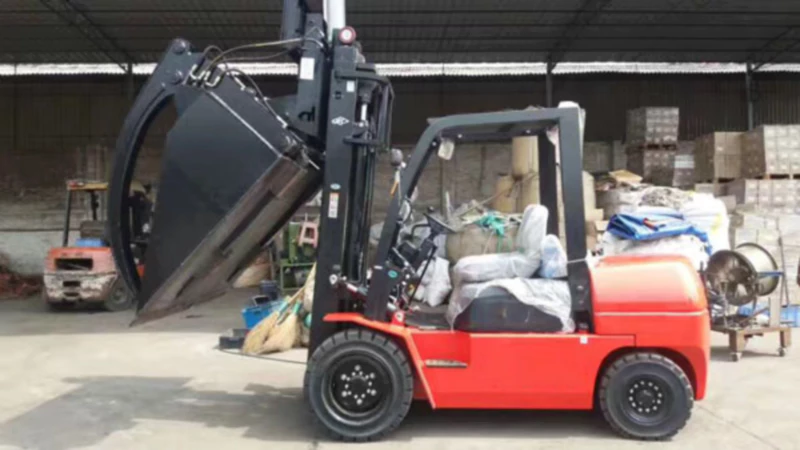
By incorporating tilt cylinders, automotive applications such as forklifts or cargo trucks can efficiently handle heavy loads. The tilting movement enables easy loading and unloading processes, reducing manual effort and increasing overall productivity.
1.3 Ensuring Operator Comfort and Safety
Tilt cylinders contribute to operator comfort and safety by enabling adjustable cabin angles. This feature helps operators maintain an ergonomic posture during long working hours and ensures better visibility and control over the vehicle.
1.4 Enabling Versatile Hydraulic System Design
Tilt cylinders facilitate the design of versatile hydraulic systems in automotive applications. They allow for precise control over hydraulic movements, enabling efficient operation of mechanisms such as hydraulic lifts or dump trucks.
1.5 Enhancing Vehicle Stability
With the ability to adjust the vehicle’s tilt angle, tilt cylinders contribute to enhancing overall stability. This is particularly important in off-road vehicles or industrial machinery, where stability is crucial for safe and efficient operation.
2. Working Principle of Tilt Cylinder
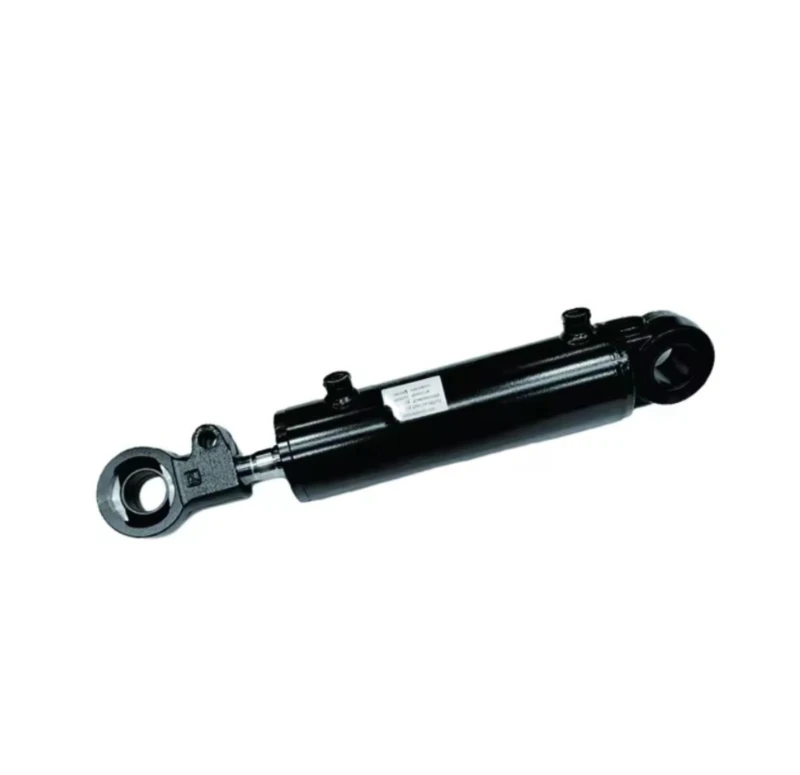
The tilt cylinder operates based on the principles of hydraulic power transmission. It consists of a piston rod connected to the tilting mechanism and a cylinder barrel filled with hydraulic fluid. When hydraulic pressure is applied to one side of the piston, it creates a force that extends or retracts the piston rod, resulting in the desired tilting movement.
3. Selecting the Right Tilt Cylinder for Automotive Applications
3.1 Load Capacity
Choose a tilt cylinder with a load capacity suitable for the specific application. Consider factors such as the maximum load to be handled and the operating conditions to ensure optimal performance and safety.
3.2 Stroke Length
Select a tilt cylinder with an appropriate stroke length to achieve the desired tilting range. Consider the required angle adjustment and the physical constraints of the application.
3.3 Operating Pressure
Consider the operating pressure requirements of the application and choose a tilt cylinder capable of withstanding the specified pressure range. This ensures reliable and efficient operation under varying conditions.
3.4 Mounting Configuration
Ensure compatibility between the tilt cylinder’s mounting configuration and the application’s design requirements. Consider factors such as available space, mounting positions, and attachment methods.
3.5 Environmental Considerations
Take into account any specific environmental conditions that may affect the tilt cylinder’s performance and longevity. Factors such as temperature extremes, exposure to chemicals or contaminants, and potential vibrations should be considered during the selection process.
4. Installation of Tilt Cylinder
The installation process of a tilt cylinder may vary depending on the specific application. However, the general steps involved are as follows:
4.1 Prepare the Mounting Surface
Clean and prepare the mounting surface to ensure proper attachment and alignment of the tilt cylinder. Remove any debris or obstructions that may interfere with the installation process.
4.2 Align and Secure the Tilt Cylinder
Position the tilt cylinder in the desired location and align it with the mounting holes or brackets. Secure the cylinder using appropriate fasteners, ensuring a tight and stable connection.
4.3 Connect Hydraulic Lines
Connect the hydraulic lines to the tilt cylinder, ensuring proper alignment and tight connections. Follow the manufacturer’s instructions or industry standards for hydraulic line installation.
4.4 Test and Adjust
After installation, perform a thorough test to ensure the tilt cylinder operates smoothly and meets the desired tilting range and angles. Make any necessary adjustments before putting the application into regular use.
Conclusion
In conclusion, tilt cylinders play a vital role in various automotive applications, offering several advantages:
– Enhanced vehicle maneuverability
– Increased load handling efficiency
– Improved operator comfort and safety
– Versatile hydraulic system design
– Enhanced vehicle stability
With their hydraulic power transmission and precise control, tilt cylinders provide the necessary tilting movement for optimal performance. When selecting a tilt cylinder, factors such as load capacity, stroke length, operating pressure, mounting configuration, and environmental considerations should be taken into account. Proper installation and regular maintenance ensure reliable operation and longevity.
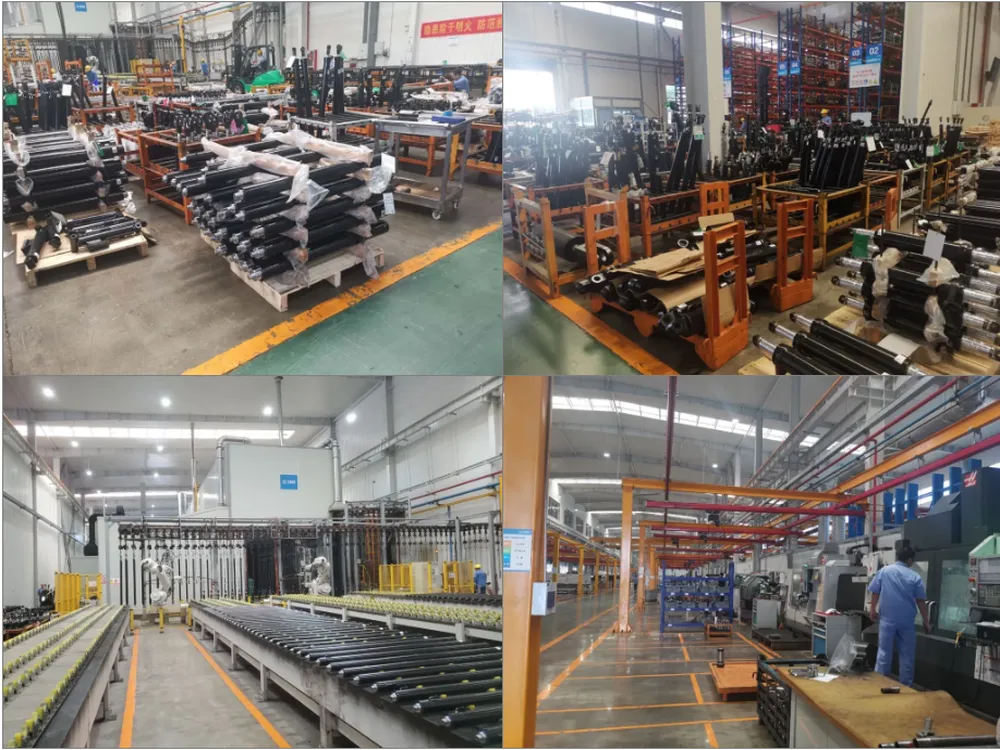
Our company, Hydraulic Cylinder Manufacturing, has over 15 years of experience in designing, manufacturing, and selling tilt cylinders and other hydraulic components. We serve clients worldwide and have gained a reputation for providing high-quality products, excellent service, and competitive prices. Our expertise and dedication to innovation ensure that our tilt cylinders meet the highest standards of performance and reliability.
Edited by Czh